As Vietnam’s former imperial capital, Hue offers a rich blend of history, culture, cuisine, and tranquil landscapes. This guide highlights the most memorable things to do in Hue, from exploring UNESCO-listed heritage sites and royal tombs to enjoying traditional music on the Perfume River and sampling iconic local dishes. With its slower pace and deep cultural roots, Hue is an ideal destination for travelers seeking meaningful and authentic experiences in central Vietnam.
Why Hue Deserves a Spot on Your Vietnam Itinerary
Hue deserves a spot on your Vietnam itinerary because it is the former imperial capital, offering a unique blend of profound history and culture, exquisite royal cuisine, and serene natural beauty that provides a more relaxed pace than other major Vietnamese cities.
Rich History and UNESCO Heritage
Hue served as the political and cultural center of Vietnam under the Nguyen Dynasty from 1802 to 1945, and its remaining monuments are recognized as a UNESCO World Cultural Heritage Site.
Unique Culture and Atmosphere
Hue offers a more authentic and unhurried experience compared to the bustling metropolises, appealing to travelers who enjoy a slower pace and cultural immersion.
- Hue Royal Court Music: This ancient, sophisticated art form, recognized as a UNESCO Intangible Cultural Heritage, was once performed for the emperors and can still be experienced today, often during evening boat cruises on the Perfume River.
- Craft Villages: The surrounding areas are home to traditional craft villages specializing in handmade products like conical hats and incense making, where visitors can observe artisans at work.
- Local Life: The city’s atmosphere encourages leisurely exploration, whether cycling through charming neighborhoods, strolling along the river, or browsing the bustling Dong Ba Market for local goods and street food
Getting to Hue, Vietnam, is straightforward with options including flying, taking a luxury train, or a bus from major cities like Hanoi and Ho Chi Minh City. Your choice depends on your budget and desired travel experience.
By Flight
Flying is the fastest and most convenient way to reach Hue.
- Airport: Flights arrive at Phu Bai International Airport (HUI), located about 15 km (30 minutes by car/taxi) from the city center.
- Airlines: Vietnam Airlines, VietJet Air, and Pacific Airlines offer direct domestic flights from Hanoi’s Noi Bai International Airport (HAN) and Ho Chi Minh City’s Tan Son Nhat International Airport (SGN).
- Duration: Flights from Hanoi take around 1 hour and 15 minutes, while from Ho Chi Minh City, it is approximately 1 hour and 30 minutes.
- Cost: One-way tickets typically range from approximately $25 – $100 USD, depending on the airline and how far in advance you book.
- From the Airport: Taxis are readily available, with fares around 200,000 – 300,000 VND ($8–12 USD). Some airlines may offer shuttle bus services for a lower fee.
By Luxury Train (SJourney)
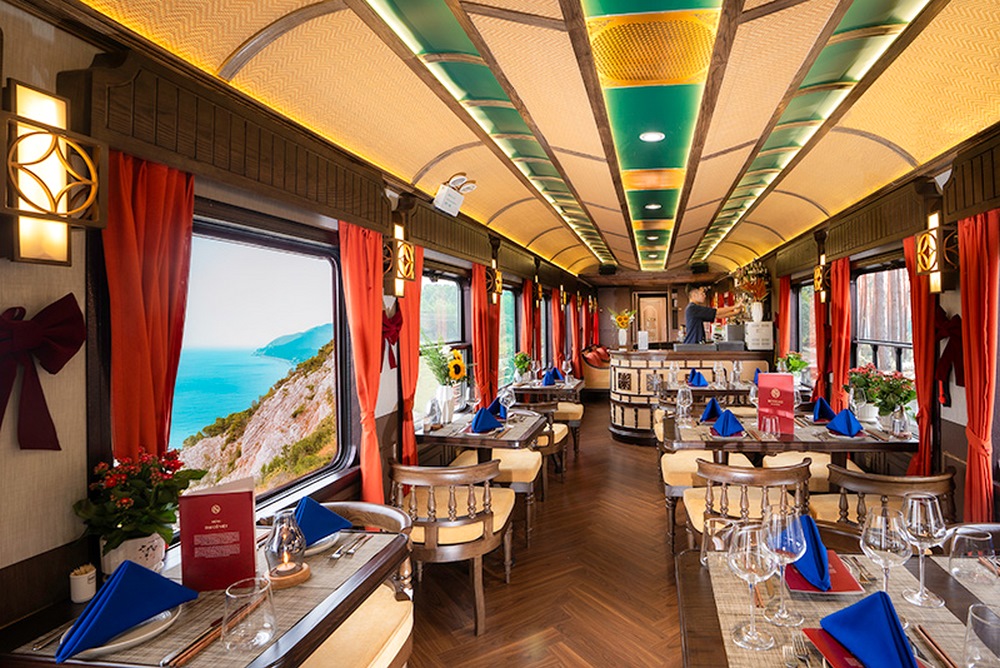
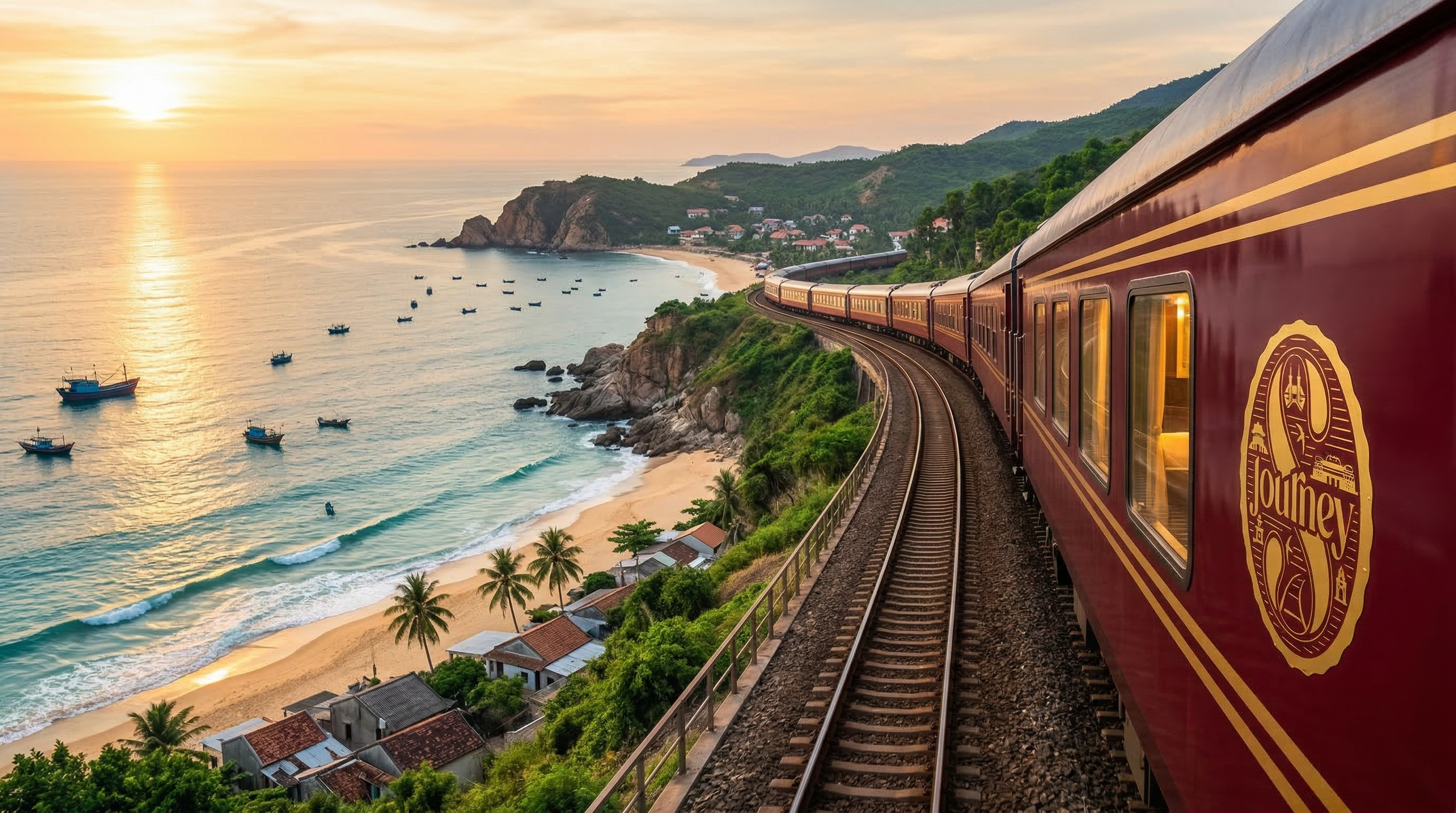
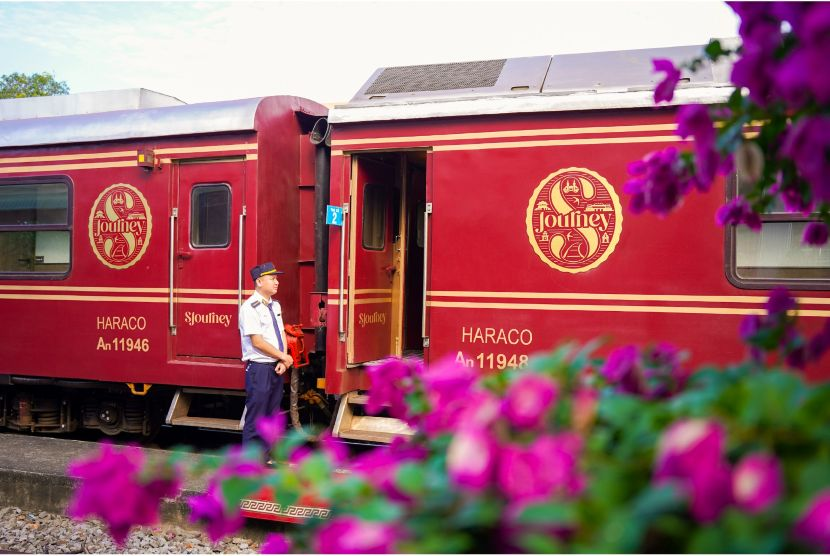
For a premium, slow-travel experience, you can take the Sjourney Luxury Train. This is not just a transit option but a curated heritage tour.
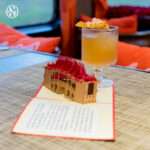
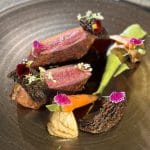
- The Experience: SJourney offers high-end cabins (private suites), gourmet dining with regional Vietnamese flavors, and an onboard bar. The journey emphasizes the “Golden Age” of rail travel with modern amenities like en-suite bathrooms and air conditioning.
- Routes & Stops: Hue is a flagship stop on their North-South (Hanoi to Ho Chi Minh City) routes.
- Southbound Legacy: Departs from Hanoi and stops in Ninh Binh and Quang Binh before reaching the imperial city of Hue.
- Northern Heritage: Starts in Ho Chi Minh City and traverses the coast, stopping in Hoi An/Da Nang before arriving in Hue.
- Itinerary: Most luxury rail packages are multi-day (e.g., 8 days/7 nights) and include off-train excursions to historical sites like the Hue Citadel and royal tombs.
- Booking: You can book directly through their website or by contact direct via +84-975-119-466
By Bus
Traveling by bus is the most economical option, offering an immersive cultural experience.
- Operators: Reputable companies for the Hanoi route include Queen Cafe, Camel Travel, and Hung Thanh. From Ho Chi Minh City, operators include Hoang Long and Anh Tan.
- Duration: The bus journey is long, typically taking 12–15 hours from Hanoi and up to 24 hours from Ho Chi Minh City. Most long-distance buses are overnight sleeper buses.
- Cost: Ticket prices are the lowest option, generally ranging from around $15 – $35 USD.
- Note: The long journey can be tiring, and comfort levels may vary between operators.
For the specific “Vietnam Luxury Express” mentioned in your prompt, it is a private operator offering VIP sleeper cabins on the Hanoi-Hue train route, providing a more comfortable and clean experience compared to standard Vietnam Railways cabins.
Top Things to Do in Hue: Must-See Attractions
Hue, the former imperial capital of Vietnam and a UNESCO World Heritage Site, offers a captivating blend of rich history, cultural treasures, and stunning natural landscapes. This guide provides in-depth information on the top must do hue in the city and surrounding areas.
1. Explore the Hue Imperial City (The Citadel)
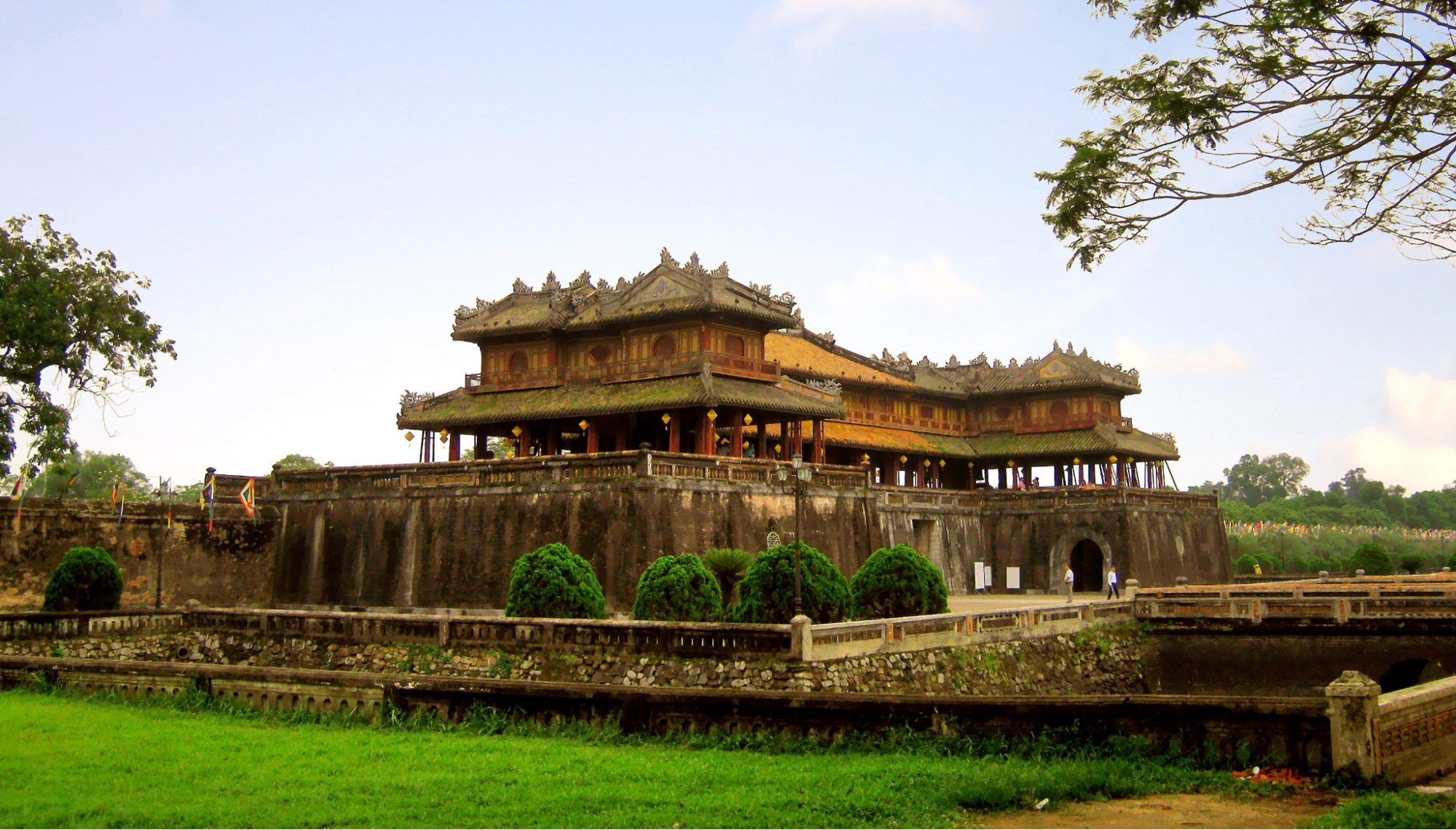
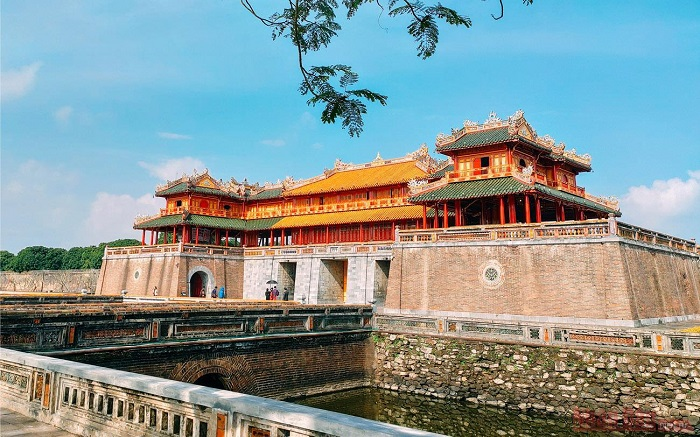
The Imperial City, or Dai Noi, is the crown jewel of Hue. Enclosed by massive brick walls and a sprawling moat, this UNESCO World Heritage site was the seat of the Nguyen Emperors. Entering through the Ngo Mon Gate (Noon Gate), you are transported back to a time of courtly rituals and dynastic power.
- The Forbidden Purple City: Located at the very center of the complex, this area was reserved exclusively for the Emperor, his family, and his eunuch servants. While much of it was damaged during the Vietnam War, extensive restoration projects are bringing the ornate pavilions and lacquered corridors back to life.
- Thai Hoa Palace: This is the Hall of Supreme Harmony, where the Emperor held official receptions. The intricate “two dragons flanking a moon” motif on the roof and the gilded interior remain breathtaking.
- The Architecture: Pay attention to the Dien Tho Palace (residence of the Queen Mothers) and the The Mieu Temple. The level of detail—from the porcelain shard mosaics to the heavy bronze urns—showcases the height of Vietnamese craftsmanship.
Pro Tip: Give yourself at least 3 to 4 hours here. The site is massive, and the midday sun can be punishing, so aim for early morning or late afternoon.
2. Visit the Royal Tombs
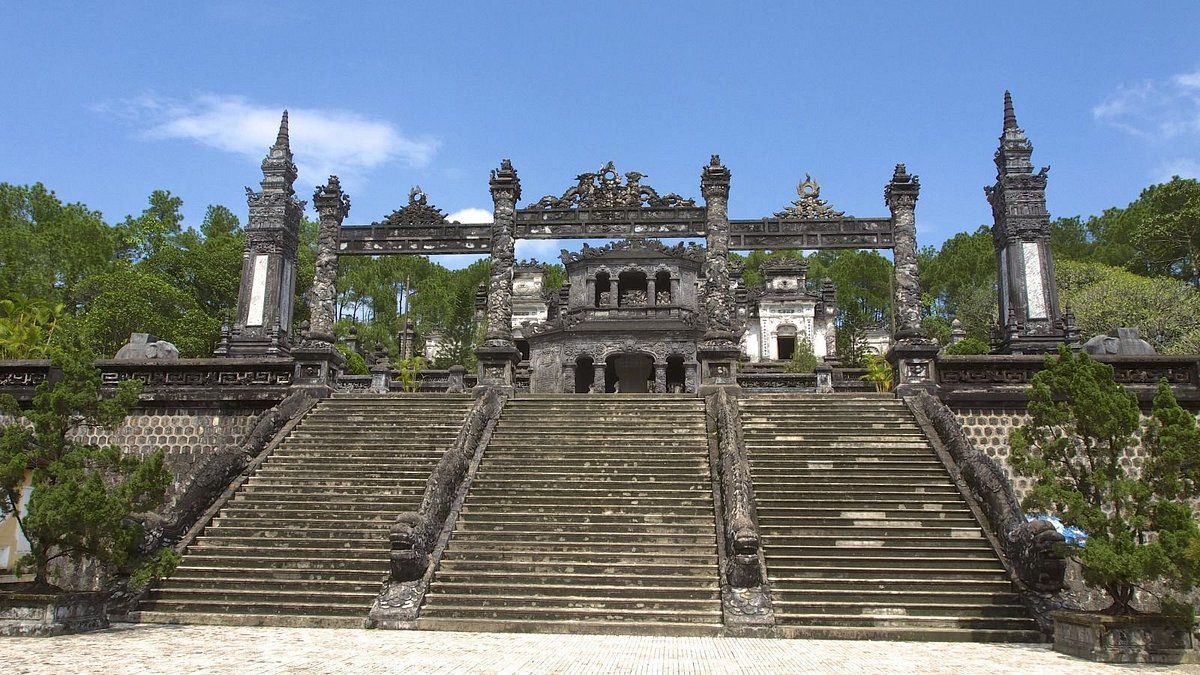
The Nguyen Emperors spent years designing their own “eternal resting places.” Far from being somber graveyards, these tombs are sprawling complexes of palaces, lakes, and pine forests, designed to reflect the personality of the ruler buried within.
Tu Duc Tomb (Khiem Lang)
Perhaps the most romantic of the tombs, Tu Duc’s resting place was designed by the Emperor himself as a secondary palace where he could escape the pressures of the court.
- Highlights: The Lu Khiem Lake with its small island where the Emperor used to hunt small game, and the Xung Khiem Pavilion where he wrote poetry. The atmosphere here is one of poetic melancholy and harmony with nature.
Minh Mang Tomb (Hieu Lang)
Minh Mang was a staunch Confucian, and his tomb reflects that order, symmetry, and majesty.
- Highlights: The tomb is laid out on a central axis. Walking through the Sung An Temple and across the Trung Minh Ho (Lake of Impeccable Clarity) feels like a spiritual progression. It is widely considered the most architecturally balanced of all the royal tombs.
Khai Dinh Tomb (Ung Lang)
Khai Dinh’s tomb is a radical departure from traditional Vietnamese architecture. Built into the side of a mountain, it is a blend of European Baroque, Gothic, and Oriental styles.
- Highlights: The Thien Dinh Palace interior is jaw-dropping. It features incredibly detailed wall murals made from thousands of broken glass and ceramic pieces. Look up to see the “Nine Dragons Amidst Clouds” ceiling painting, executed by an artist using his feet.
3. Admire Thien Mu Pagoda
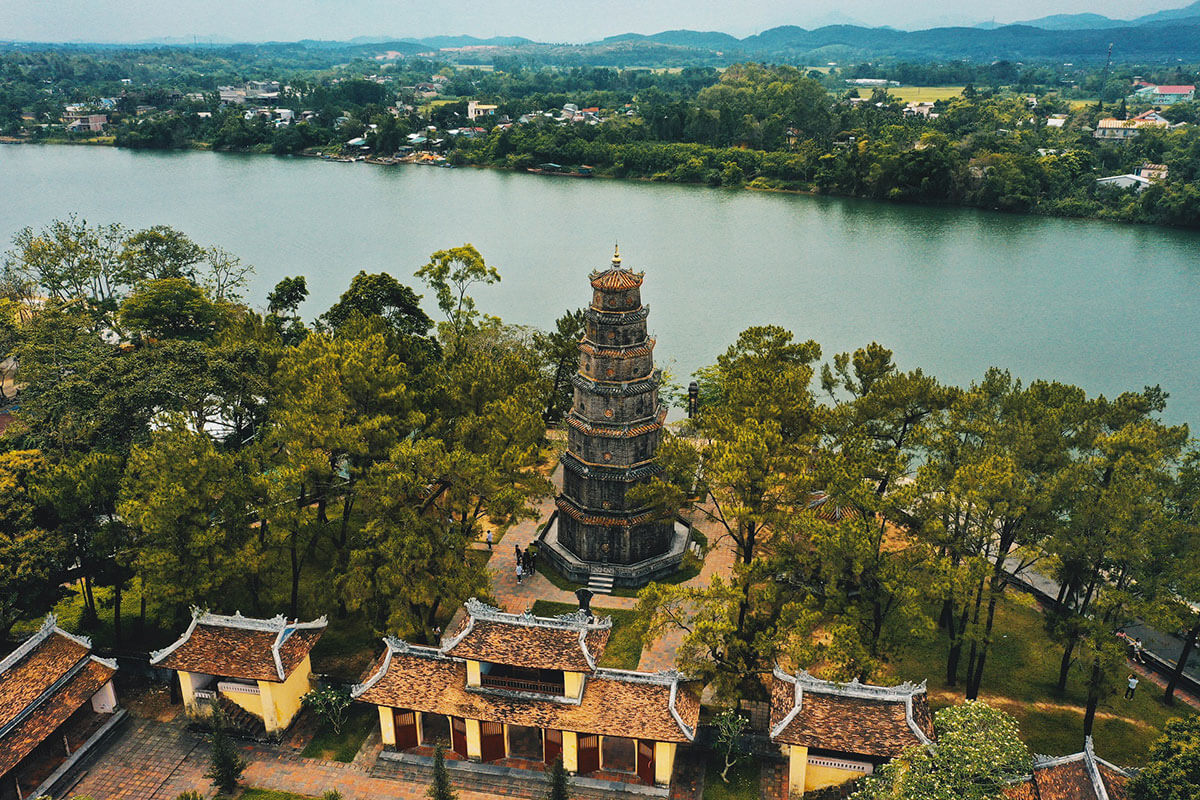
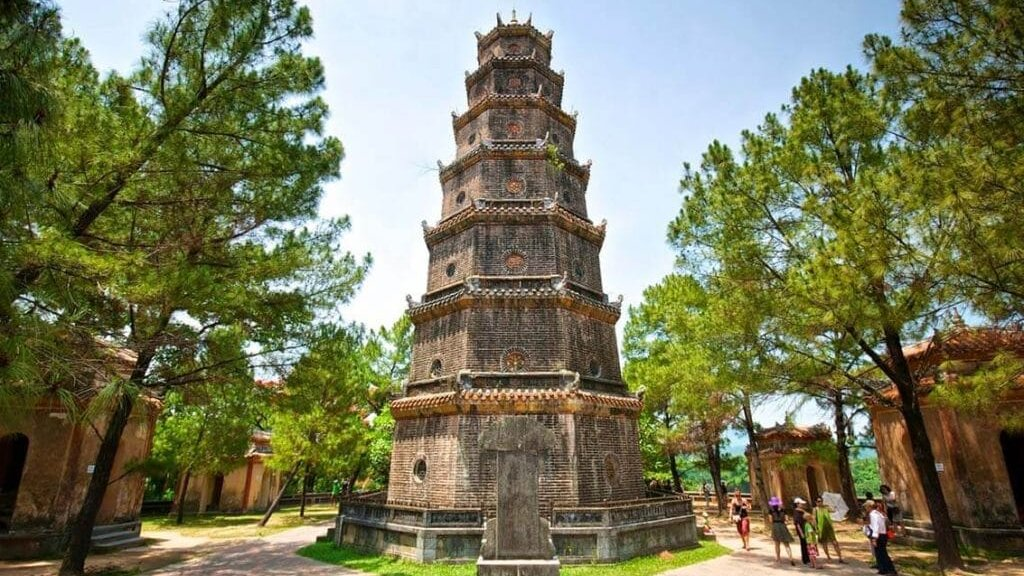
Perched on Ha Khe Hill overlooking the Perfume River, the Thien Mu Pagoda (Pagoda of the Celestial Lady) is the unofficial symbol of Hue and a top Hue Vietnam to do for visitors. Its iconic seven-story octagonal tower, the Phuoc Duyen Tower, has stood since 1844, with each level representing a different Buddha.
Beyond its architectural beauty, the pagoda holds deep historical significance. It was a center of Buddhist activism during the 1960s. In the rear of the complex, you can see the Austin motorcar that transported the monk Thich Quang Duc to Saigon, where he famously performed self-immolation in 1963 to protest the government’s persecution of Buddhists.
4. Take a Dragon Boat Cruise on the Perfume River
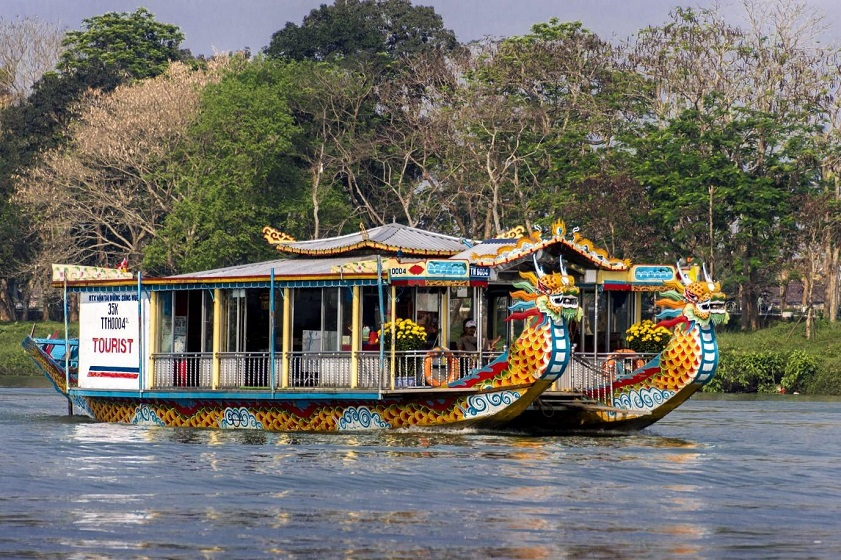
The Perfume River (Song Huong) is the lifeline of Hue, named after the scent of fallen orchids that supposedly drifted into the water from upriver forests centuries ago.
- The Experience: Boarding a traditional dragon boat is a quintessential Hue experience. You can use the boat as a scenic taxi to reach Thien Mu Pagoda or the tombs, but the best way to enjoy it is at sunset.
- Hue Royal Music (Ca Hue): Many evening cruises offer performances of Ca Hue, a traditional form of chamber music that was once performed only for the royal court. As the city lights reflect on the water and the melodies of the Dan Bau (monochord) fill the air, the historical weight of the city feels palpable.
4. Take a Dragon Boat Cruise on the Perfume River
The Perfume River (Song Huong) is the lifeline of Hue, named after the scent of fallen orchids that supposedly drifted into the water from upriver forests centuries ago.
- The Experience: Boarding a traditional dragon boat is a quintessential Hue experience. You can use the boat as a scenic taxi to reach Thien Mu Pagoda or the tombs, but the best way to enjoy it is at sunset.
- Hue Royal Music (Ca Hue): Many evening cruises offer performances of Ca Hue, a traditional form of chamber music that was once performed only for the royal court. As the city lights reflect on the water and the melodies of the Dan Bau (monochord) fill the air, the historical weight of the city feels palpable.
5. Shop & Eat at Dong Ba Market
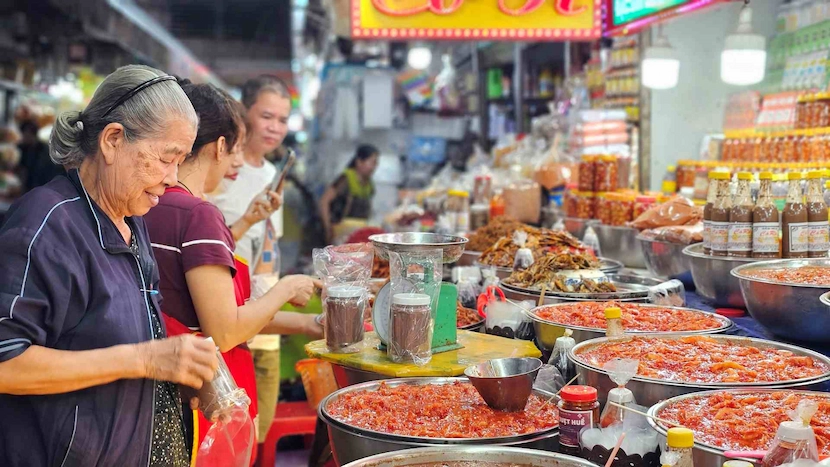
If the Citadel is the mind of Hue, Dong Ba Market is its stomach. This is the oldest and largest market in the city, a chaotic, colorful labyrinth where you can find everything from silk tunics to fermented shrimp paste.
- Foodie Heaven: Head straight to the food court. This is the best place to try Hue’s famous specialties:
- Bun Bo Hue: The spicy, lemongrass-infused beef noodle soup that originated here.
- Banh Beo, Banh Loc, Banh Nam: Delicate steamed rice cakes topped with dried shrimp and crispy pork skin.
- Che: A sweet dessert soup that comes in dozens of varieties, including a unique roasted pork-filled dumpling version.
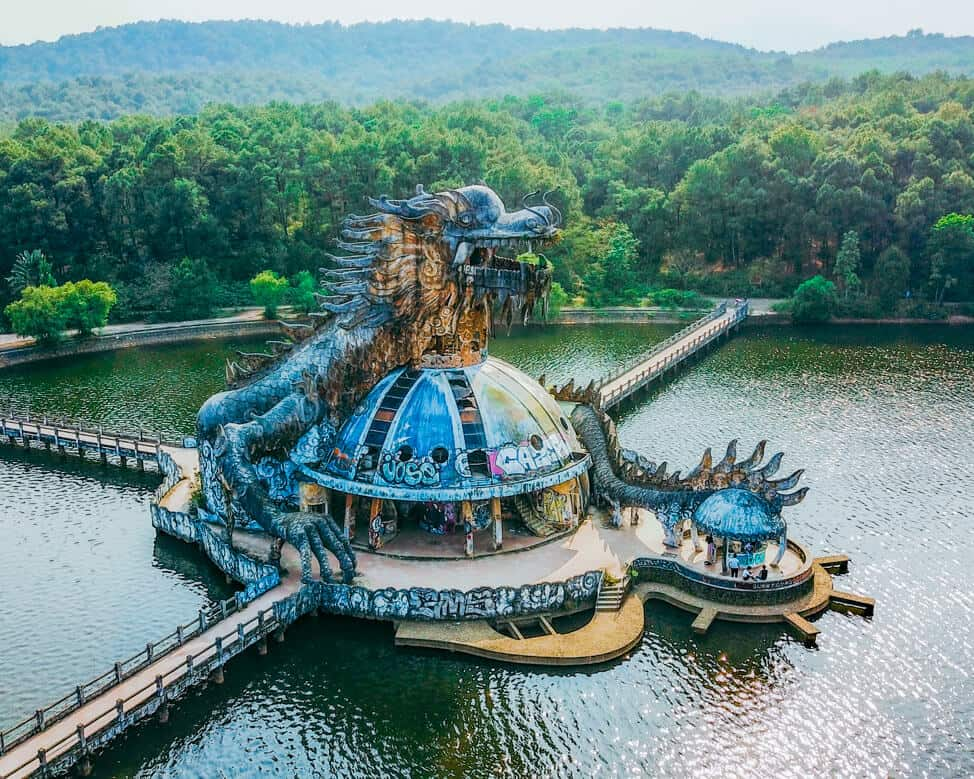
- Photograph the Abandoned Dragon Waterpark
For something entirely different, head to Ho Thuy Tien, a must do Hue experience for adventurous travelers. Originally opened in 2004, this waterpark was never finished and was subsequently abandoned, leaving it to be reclaimed by the jungle.
The centerpiece is a massive, three-story stainless steel dragon curled around a spherical building in the middle of a lake. You can climb inside the dragon’s mouth for a panoramic view of the rusting slides and overgrown pools. It is eerie, surreal, and a favorite spot for urban explorers and photographers seeking “apocalyptic” aesthetics.
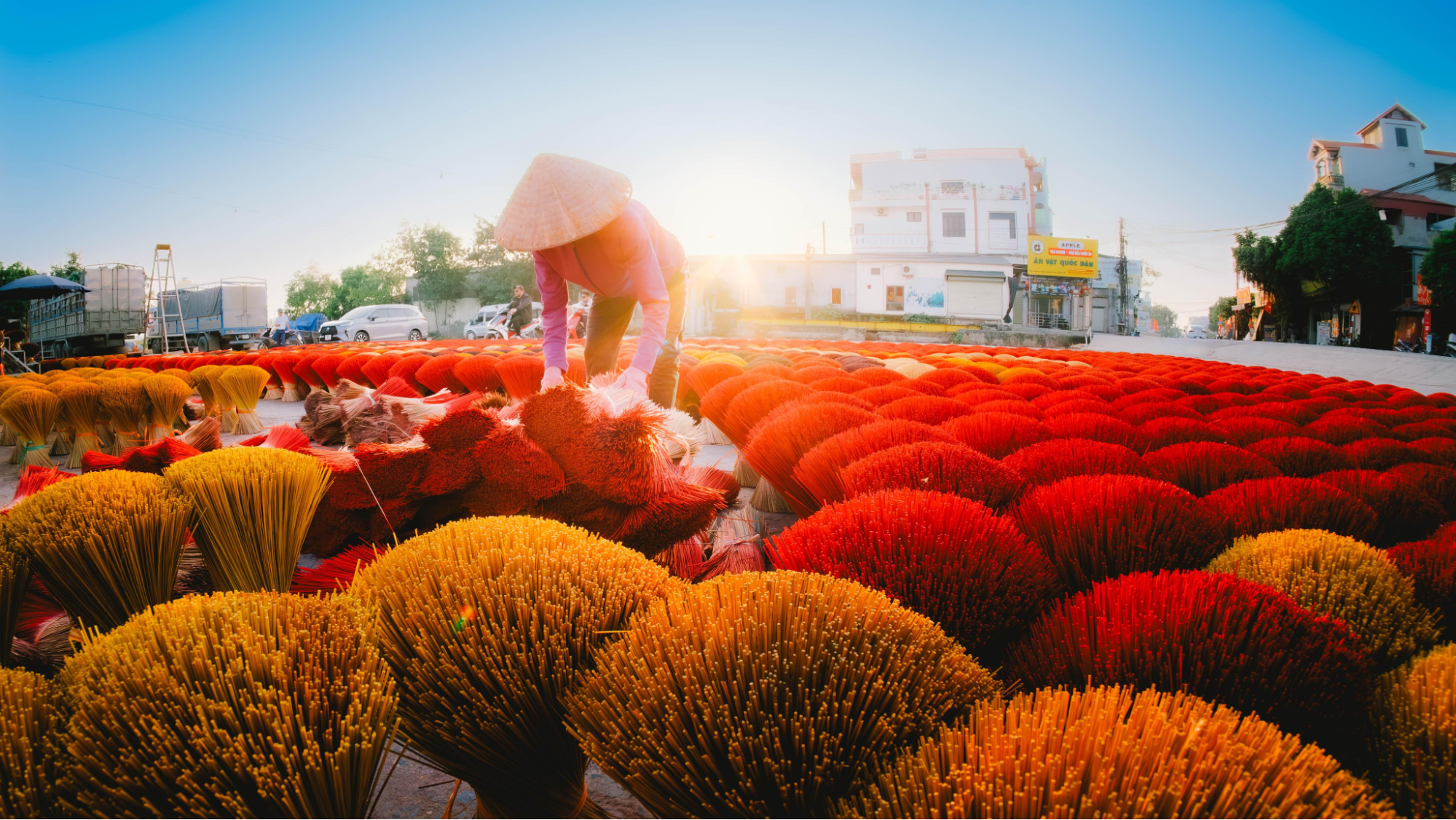
7. Experience Incense-Making in a Traditional Village
Perched on Ha Khe Hill overlooking the Perfume River, the Thien Mu Pagoda (Pagoda of the Celestial Lady) is the unofficial symbol of Hue and one of the top hue vietnam to do experiences for travelers. Its iconic seven-story octagonal tower, the Phuoc Duyen Tower, has stood since 1844, with each level representing a different Buddha.
- Cultural Immersion: The local artisans are usually happy to show you how they hand-roll the incense paste onto bamboo sticks. You can try it yourself and purchase a few bundles to take home. The fragrance of cinnamon, sandalwood, and jasmine fills the air, making this one of the most sensory-rich stops in Hue.
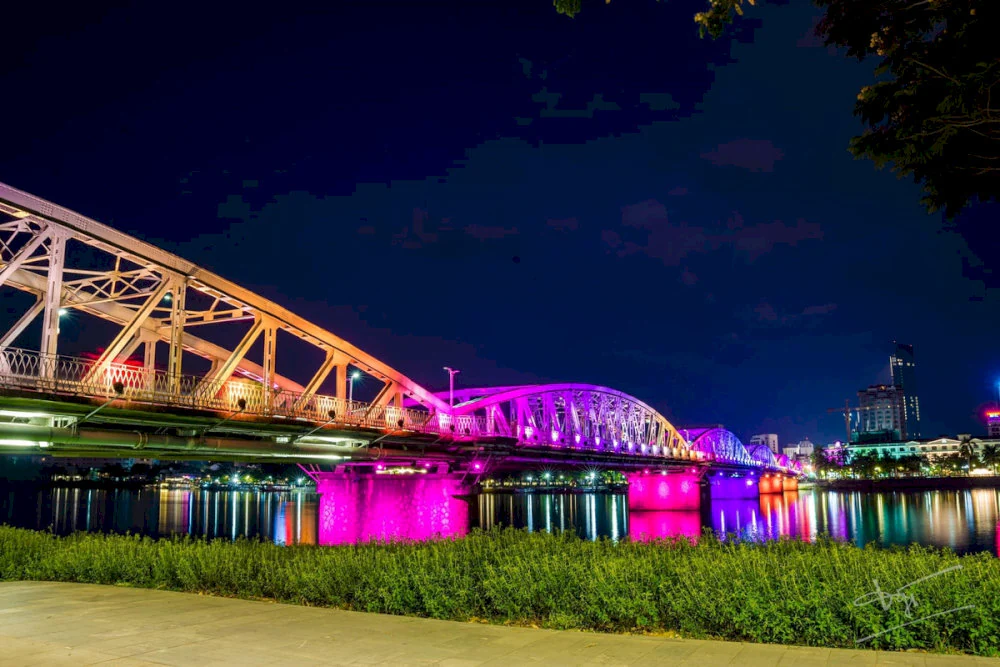
8. Walk or Cycle Across Truong Tien Bridge at Night
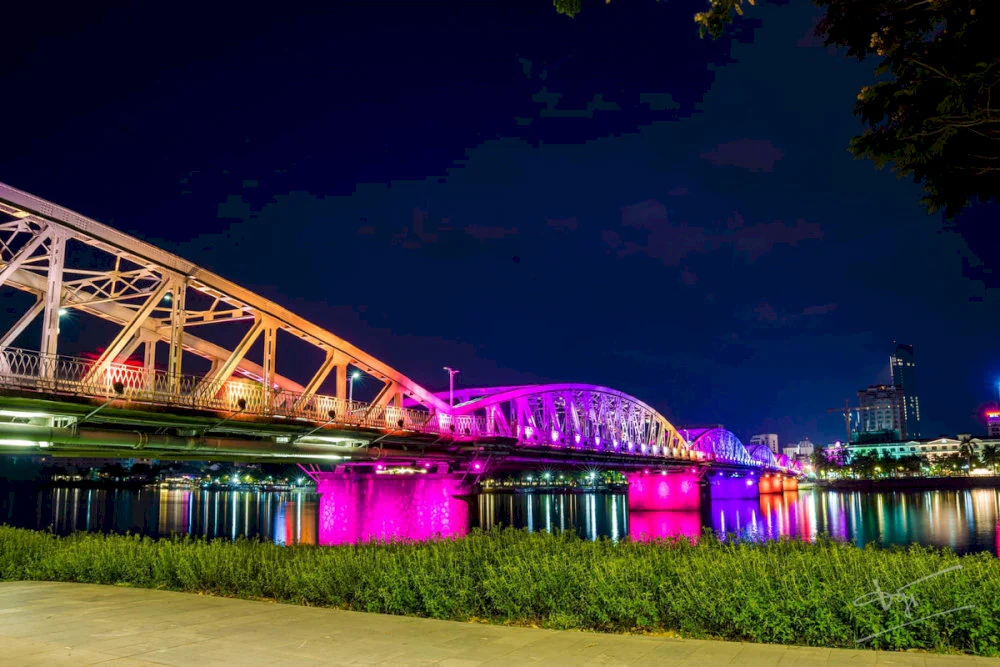
Designed by Gustave Eiffel (the man behind the Eiffel Tower), the Truong Tien Bridge is a graceful steel structure that spans the Perfume River.
While it is a functional thoroughfare during the day, it transforms at night. The bridge is illuminated by thousands of LED lights that change color, casting a neon glow over the water. The pedestrian pathways on either side are perfect for a breezy evening stroll, joining locals who gather to chat, enjoy the river breeze, and watch the dragon boats pass underneath.
9. Visit An Dinh Palace
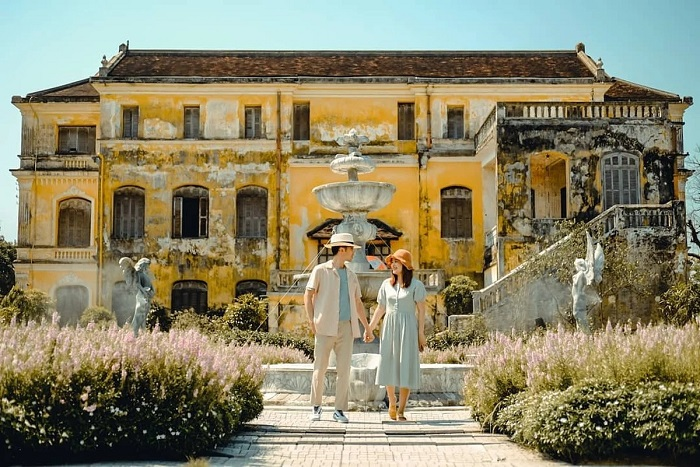
Often overlooked by those rushing to the larger tombs, An Dinh Palace is a hidden gem of “Hue-style” Neoclassical architecture and a unique to do Hue Vietnam experience. It served as the private residence of Bao Dai, the last Emperor of Vietnam, after his abdication.
The interior is surprisingly well-preserved, featuring European-style wall paintings that depict the royal tombs and traditional Vietnamese motifs. The Khai Tuong Pavilion, with its ornate facade and sweeping staircases, provides a fascinating glimpse into the lives of the royal family as they transitioned from traditional monarchy to a more Westernized lifestyle in the early 20th century.
10. Relax at Tam Giang Lagoon or Lang Co Beach
If you have an extra half-day, escape the city center for Hue’s natural landscapes.
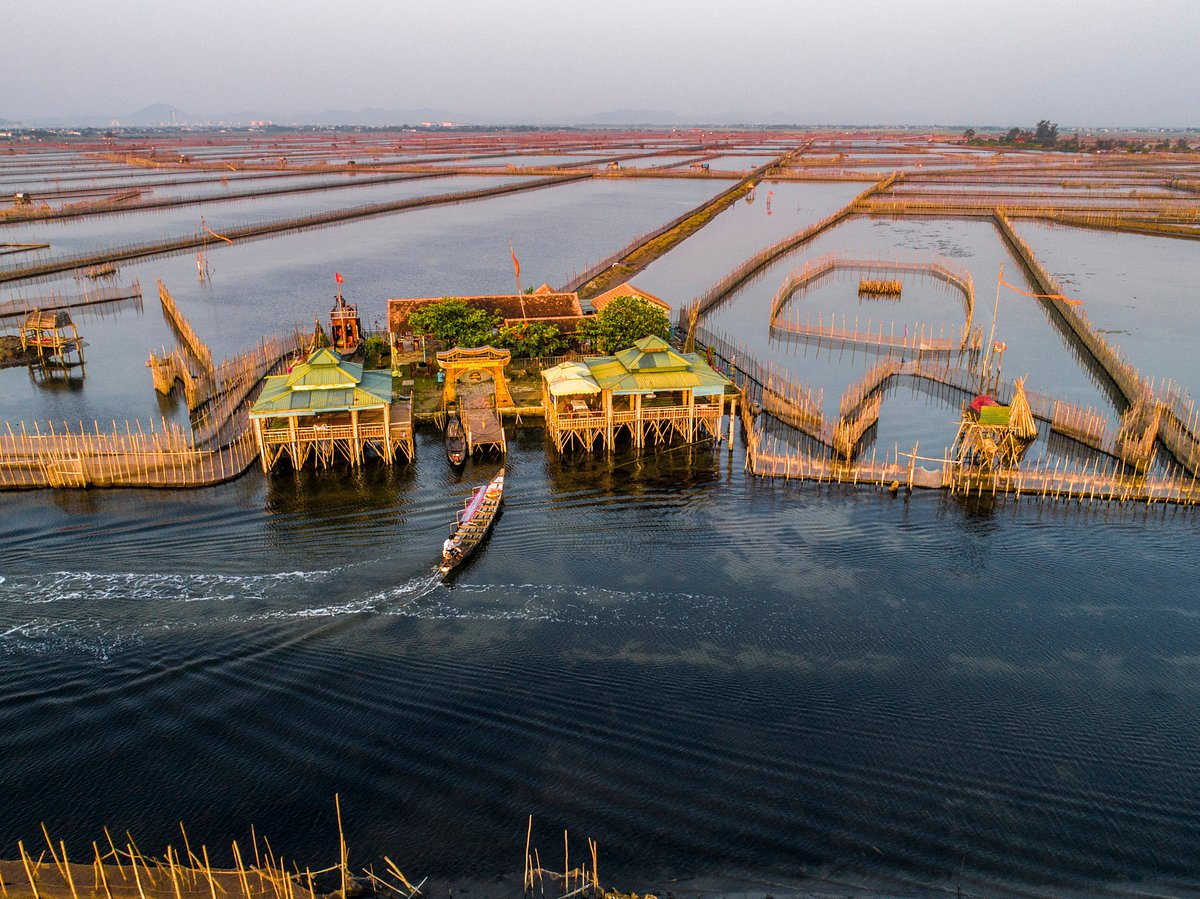
- Tam Giang Lagoon: This is the largest lagoon system in Southeast Asia. Visiting at sunset is a spiritual experience; the water turns into a mirror reflecting the golden sky. You can take a boat trip to see the local fishing villages and “stilt houses” where families have lived for generations.
- Lang Co Beach: Located about 60km from Hue (often visited on the way to Da Nang), Lang Co is a stunning stretch of white sand and turquoise water framed by the Hai Van Pass. It’s the perfect place for a seafood lunch and a quick dip in the ocean.
Food & Drink in Hue: What to Eat
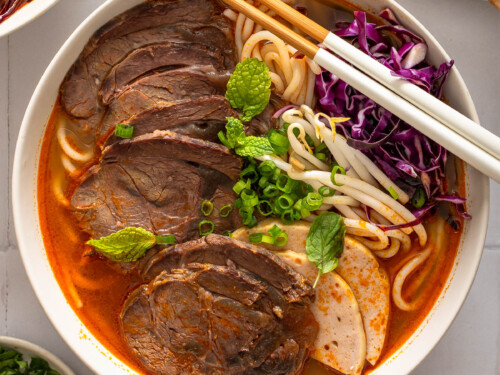
Hue cuisine offers a diverse range of unique and flavorful dishes, with must-try items including the iconic Bun Bo Hue (spicy beef noodle soup), various delicate rice cakes like Banh Beo and Banh Bot Loc, and popular street foods such as Nem Lui (lemongrass pork skewers).
Bun Bo Hue
This is the city’s most famous dish, a spicy and rich beef noodle soup featuring thick vermicelli, sliced beef, crab balls, and a flavorful broth made with beef bones, lemongrass, and chili oil. You can find authentic bowls at local spots like Quan Cam (45 Le Loi Street) or Bun Bo O Hoa (162 Mai Thuc Loa Street).
Nem Lui
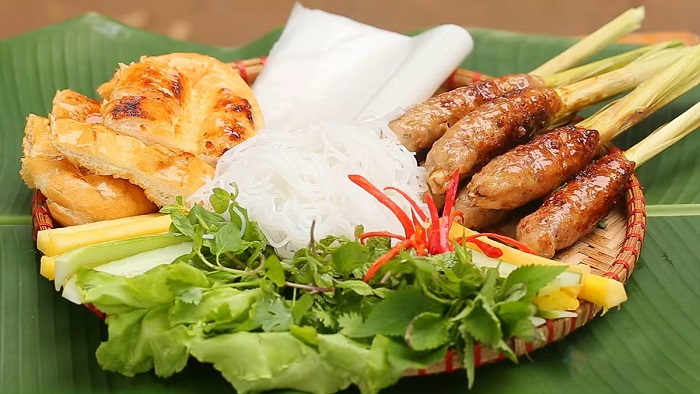
Seasoned ground pork is skewered onto lemongrass stalks and grilled over charcoal, then wrapped in rice paper with fresh herbs and dipped in a unique peanut sauce. A highly recommended spot is Hanh Restaurant (11-15 Pho Duc Chinh Street).
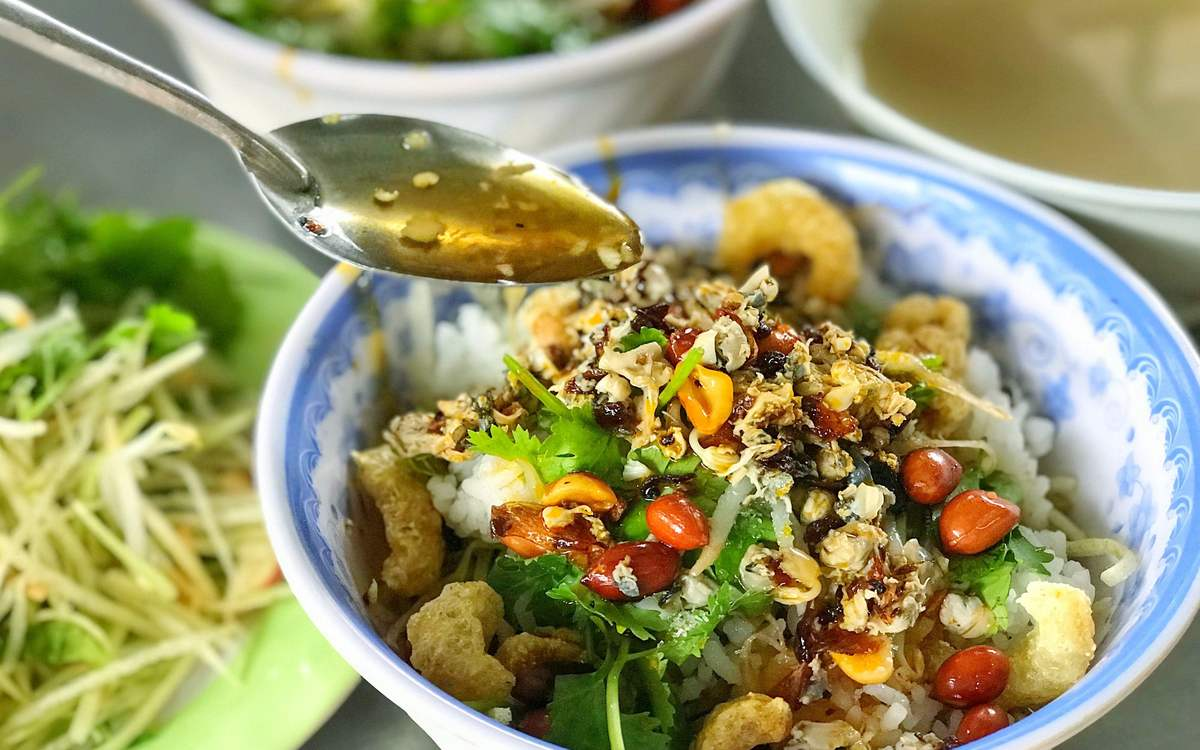
Com Hen:
A signature local dish of rice (or noodles), sautéed baby clams/mussels, crispy pork skin, peanuts, and various herbs, usually served spicy. Try it at Com Hen Hoa Dong in the Vi Da area.
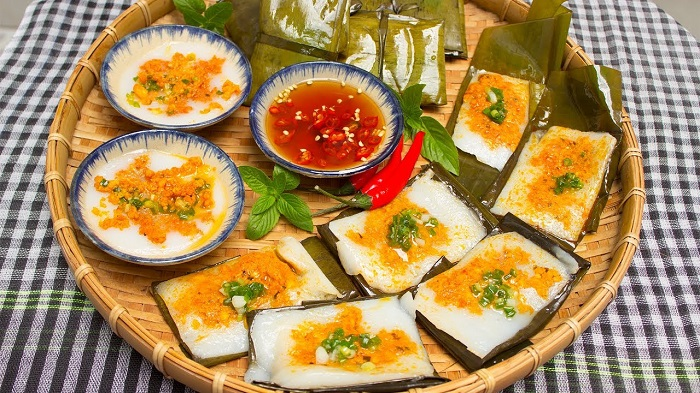
Banh Beo, Nam, Loc:
These are popular types of Hue rice cakes.
- Banh Beo are small, steamed rice cakes served in tiny bowls and topped with dried shrimp and scallion oil.
- Banh Bot Loc are chewy, translucent tapioca dumplings filled with pork belly and shrimp.
- Banh Nam are flat, soft rice cakes wrapped in banana leaves.
These can often be sampled together as a platter at specialty restaurants such as Ba Do (8 Nguyen Binh Khiem Street) or Madam Thu Restaurant (45 Vo Thi Sau Street).
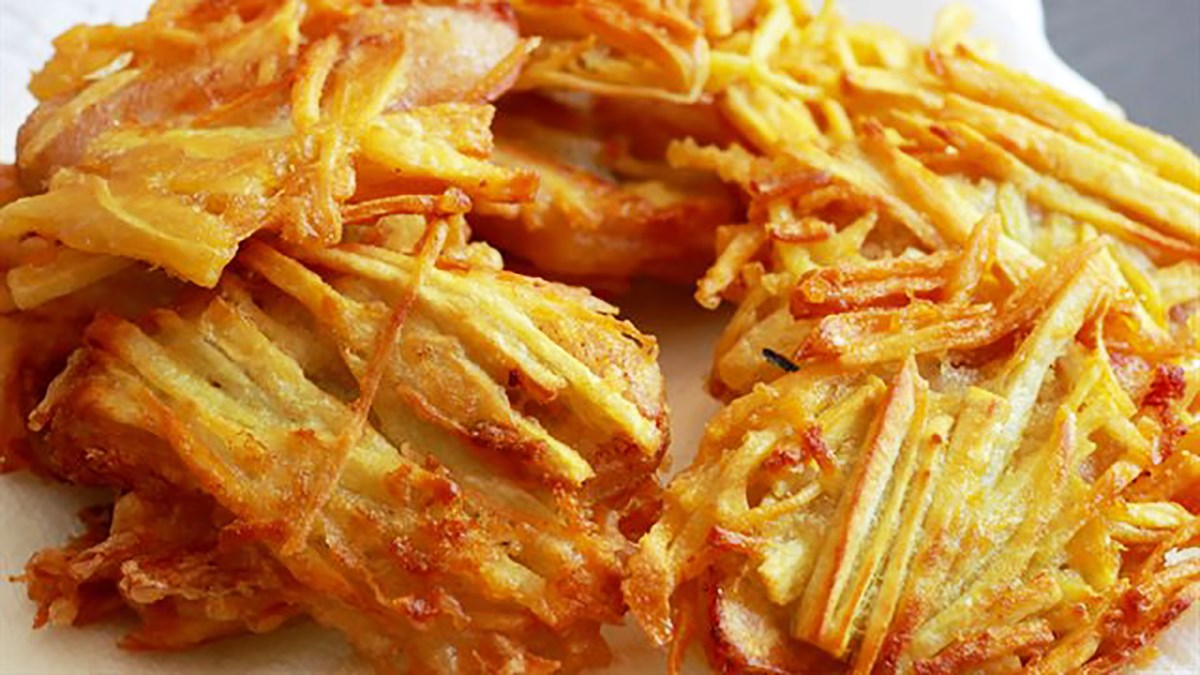
Banh Khoai:
Similar to a Vietnamese pancake (Banh Xeo) but crispier and thicker, filled with shrimp, pork, and bean sprouts, and served with a rich, peanut-based dipping sauce.
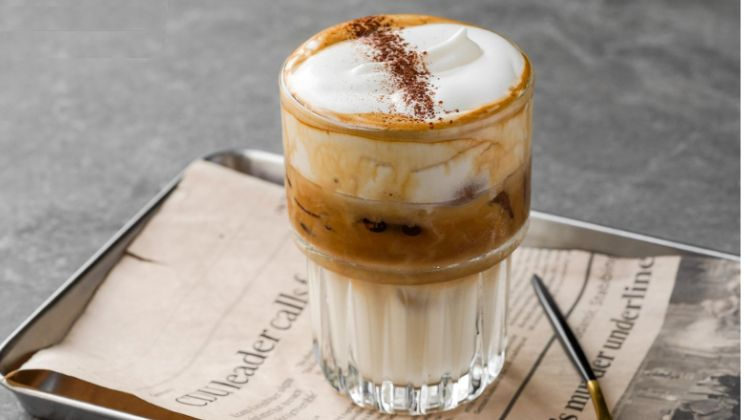
Ca phe muoi:
Finish your meal with the local specialty: salted coffee, which features strong coffee topped with a layer of lightly salted cream that enhances the sweetness and bitterness. Recommended locations include Home Coffee (10 Nguyen Luong Bang Street) or Salt Coffee (142 Dang Thai Than Street).
Additional Travel Tips for Hue
What to Pack & Dress Code
General Packing:
Pack lightweight, breathable clothing (cotton, linen) for the generally hot and humid weather. A hat, sunglasses, and sunscreen are essential for sun protection. During the rainy season (September-February), a rain jacket or umbrella and waterproof shoes are recommended.
Dress Code for Sacred Sites:
When visiting religious sites and the Imperial City, modest clothing is required out of respect for local culture.
- Ensure shoulders and knees are covered.
- Avoid wearing shorts, short skirts, tank tops, or tight-fitting/see-through clothing.
- Comfortable walking shoes are a must, as you’ll be exploring large historical complexes. Remove hats before entering temple halls
Traveling to Hue with Kids
Hue is a family-friendly destination, offering a mix of history and engaging activities.
- Kid-Friendly Activities:
- Imperial City: Kids can enjoy roaming the vast grounds and seeing the statues of mythical creatures.
- Dragon Boat Rides: A trip on a colorful dragon boat along the Perfume River is a fun and visually stimulating experience.
- Dong Ba Market: The bustling market offers a sensory experience with many different stalls and local snacks that children might enjoy.
- Alba Thanh Tan Hot Spring: A resort with hot mineral springs and an adventure area, including a water play area for children.
>>> Read more: Discover Top Hue Tourist Attractions in 2026: The Ultimate Travel Guide
Conclusion
Hue stands out as a destination where history, culture, and daily life intertwine seamlessly. From imperial architecture and sacred pagodas to vibrant markets and refined cuisine, the diversity of things to do in Hue caters to culture lovers, food enthusiasts, and families alike. Whether you explore ancient monuments or relax by the lagoon at sunset, Hue promises a thoughtful, enriching journey that captures the timeless soul of Vietnam.
If you’re ready to turn this inspiration into a personalized journey, Contact us to start planning your bespoke Hue experience with expert guidance. Let Contact us today and allow our team to craft a seamless, meaningful itinerary that brings the soul of Hue to life just for you.
————–
SJourney
Hotline (Phone/whatsapp): +84-975-119-466
Email: inquiry@vietnamluxuryexpress.com
Head office: No. 15/52 Giang Van Minh, Ba Dinh, Hanoi

The Travel Story Team is the editorial group behind Vietnam Luxury Express – passionate storytellers and travel enthusiasts dedicated to sharing the art of luxury train journeys across Vietnam.