Welcome to the ultimate guide to Hue tourist attractions. As the former imperial capital of Vietnam, Hue is a city where time seems to slow down. Unlike the high-octane energy of Saigon or the bustling old-world charm of Hanoi, Hue offers a poetic, regal atmosphere that bridges the gap between the country’s ancient past and its dynamic future.
In this comprehensive 2026 guide, we will explore everything from the majestic Hue Imperial Citadel to the hidden “abandoned” water park, while diving deep into the culinary secrets that make Hue the food capital of Vietnam.
History of Hue: The Seat of the Nguyen Dynasty
From 1802 to 1945, Hue served as the political, cultural, and religious center of Vietnam under the 13 emperors of the Nguyen Dynasty. The city was designed according to the principles of Feng Shui, with the Perfume River acting as a protective “ancestral dragon” and the Ngu Binh Mountain as a “front screen.” Despite the heavy scars of the Vietnam War—particularly during the 1968 Tet Offensive—Hue has undergone massive restoration. In 1993, it became Vietnam’s first UNESCO World Heritage site, a testament to its “outstanding universal value.”
Practical Travel Guide: Planning Your Trip
Best Time to Visit Hue
The best time to visit Hue is from February to April, when the weather is pleasantly cool and dry, ideal for sightseeing and outdoor activities.
To travel, Hue has two main seasons: a dry, hot season (March to August) and a wet, cold season (September to February), so timing your visit is key to a comfortable trip.
By Season
February to April (Ideal): This is considered the “golden window” for Hue travel.
- Pros: The weather is mild, with comfortable temperatures (around 20°C to 25°C), minimal rainfall, and low humidity, perfect for exploring historical sites like the Imperial Citadel and royal tombs. This period also often coincides with the Tet (Lunar New Year) and the large, a biannual Hue Festival, offering rich cultural experiences.
- Cons: This is the peak tourist season, so crowds may be larger and prices for accommodations can be higher.
May to August (Hot & Dry):
- Pros: Expect clear blue skies and bright sunshine, which is excellent for sun-seekers and beach lovers looking to visit Lang Co or Thuan An beach.
- Cons: Temperatures can be scorching, often exceeding 35°C (95°F), with high humidity. Midday sightseeing can be challenging due to the intense heat. This is also a busy time for domestic tourism.
September to January (Cool & Rainy):
- Pros: This is the off-peak season, offering fewer crowds and potentially lower prices for flights and hotels. The frequent rain creates a unique, misty, and romantic atmosphere for photography enthusiasts and those seeking a quiet, peaceful experience.
- Cons: This is the wettest period, with peak rainfall in October and November, and a risk of storms and floods that can disrupt outdoor plans. You will need to pack rain gear.
- last for weeks. While poetic for some, it makes outdoor exploration difficult.
Travelling to the Ancient Capital
Located in Central Vietnam, Hue is highly accessible.
- By Flight: Phu Bai International Airport (HUI) is just 15km from the city center. Flights from Hanoi or Ho Chi Minh City take roughly 1 hour and 15 minutes.
- By Train: The Reunification Express stops here. The route from Da Nang to Hue is widely considered one of the most beautiful train journeys in Asia, as it snakes along the Hai Van Pass and the coast.
- By Bus/Private Car: If you are coming from Hoi An or Da Nang, hiring a private car or an “Easy Rider” motorbike guide to cross the Hai Van Pass is a “bucket list” experience.
Travelling Within Hue
- Cyclos: For a slow-paced tour of the Citadel.
- Scooter Rental: The best way to reach the Royal Tombs (approx. 150,000 VND per day).
- Xanh SM: The new 2025 standard in Vietnam. Use the app to book electric taxis which are clean, quiet, and eco-friendly.
If you’re seeking a more refined way to travel, the Hanoi to Hue train route can be transformed into a premium experience with curated services, comfortable cabins, and immersive stops along the way. It’s a perfect blend of elegance and cultural discovery. Learn more about this elevated journey here: Luxury Hanoi to Hue train guide.
Top Things to Do in Hue: The Must-See Attractions
Hue is often described as a living museum. To truly appreciate its tourist attractions when you travel hue vietnam, one must look beyond the weathered stone and see the philosophical and cosmic symbolism embedded in every structure. Below are the definitive experiences that define the soul of the Ancient Capital.
1. The Hue Imperial City (The Citadel)
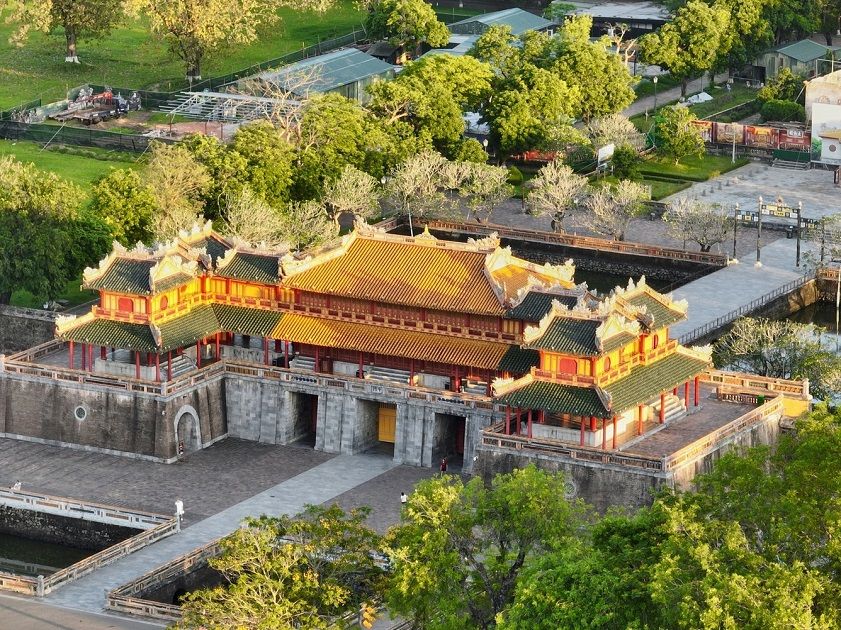
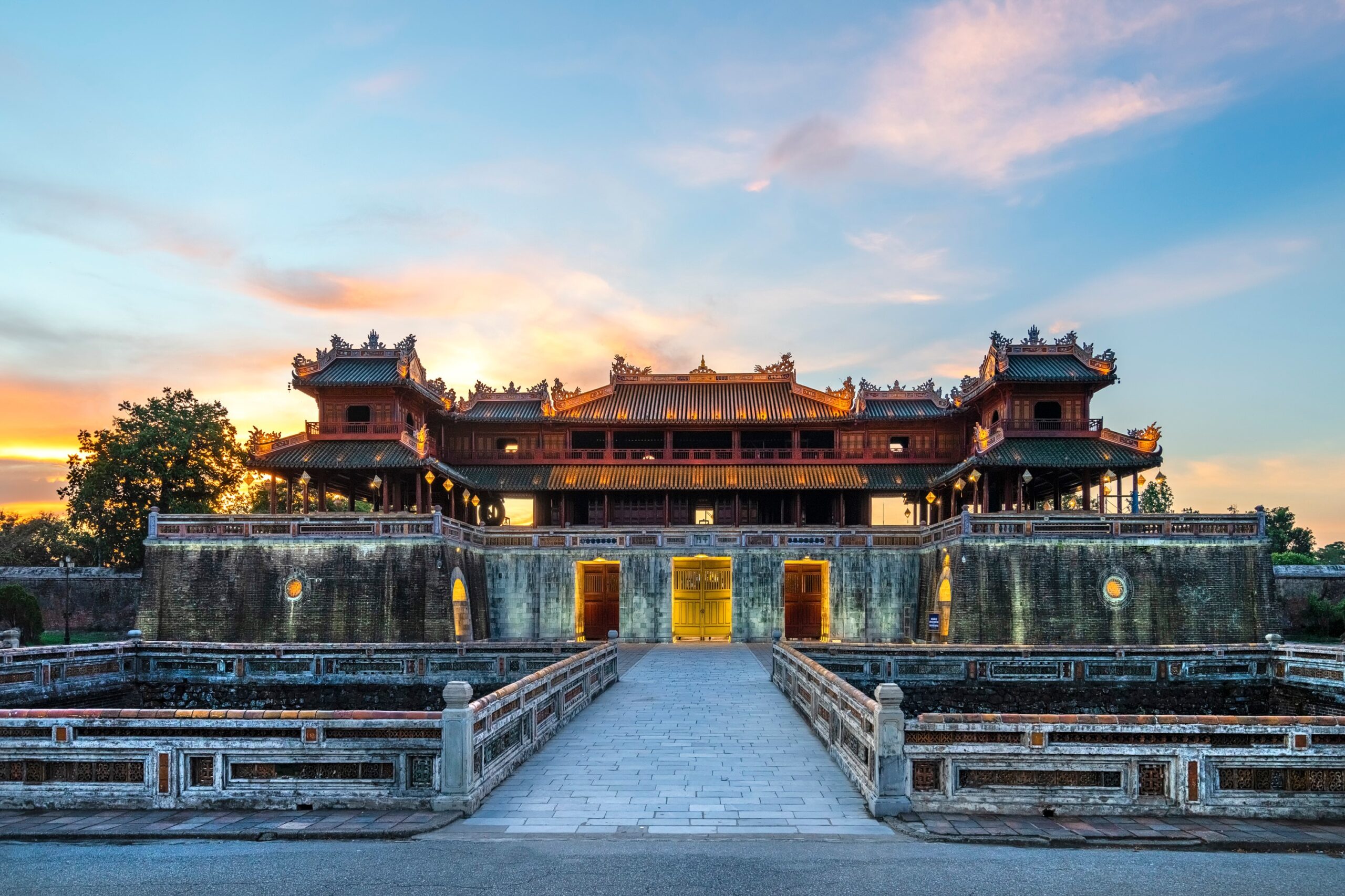
The Imperial City, or Dai Noi, is the crown jewel of Hue’s tourist attractions. Built in 1804, this massive fortress is protected by a 10-kilometer moat and thick brick walls. It served as the residence and administrative hub of the Nguyen Dynasty for 143 years.
- Architectural Grandeur: As you enter through the Ngo Mon (Noon Gate)—reserved exclusively for the Emperor—you are greeted by the Thai Hoa Palace (Palace of Supreme Harmony). Notice the intricate “Nine Hierarchical Steps” and the golden throne, where the Emperor presided over official ceremonies.
- The Forbidden Purple City: Located at the very heart of the complex, this was the private sanctum for the Emperor and his family. Though heavily damaged during the war, the ongoing restoration of the Kien Trung Palace (reopened in 2024) showcases the opulent fusion of French and Vietnamese architectural styles.
- Insider Tip: Don’t miss the Dien Tho Residence, the Queen Mother’s quarters. It houses a charming traditional tea house where you can enjoy royal herbal tea in a serene courtyard.
2. The Eternal Residences: The Royal Tombs
Unlike the somber cemeteries of the West, the Nguyen Dynasty Royal Tombs are a premier highlight of hue vietnam sightseeing. They were designed as “living palaces” where Emperors would retreat while alive to hunt, write poetry, and meditate. Each tomb is a reflection of the ruler’s distinct personality.
- The Tomb of Minh Mang (The Majestic): This is the epitome of Confucian symmetry. Set amidst 40 hectares of pine forests and fragrant frangipani, the tomb’s forest-like atmosphere and balanced lakes make it the most tranquil of all sites. It represents the height of Nguyen power and traditional values.
- The Tomb of Tu Duc (The Poetic): As the longest-reigning Emperor, Tu Duc designed his tomb as a romantic getaway. The site features a large lake (Luu Khiem Lake) with a wooden pavilion where the Emperor spent his days fishing and composing verses. It is arguably the most picturesque and “Instagrammable” of the mausoleums.
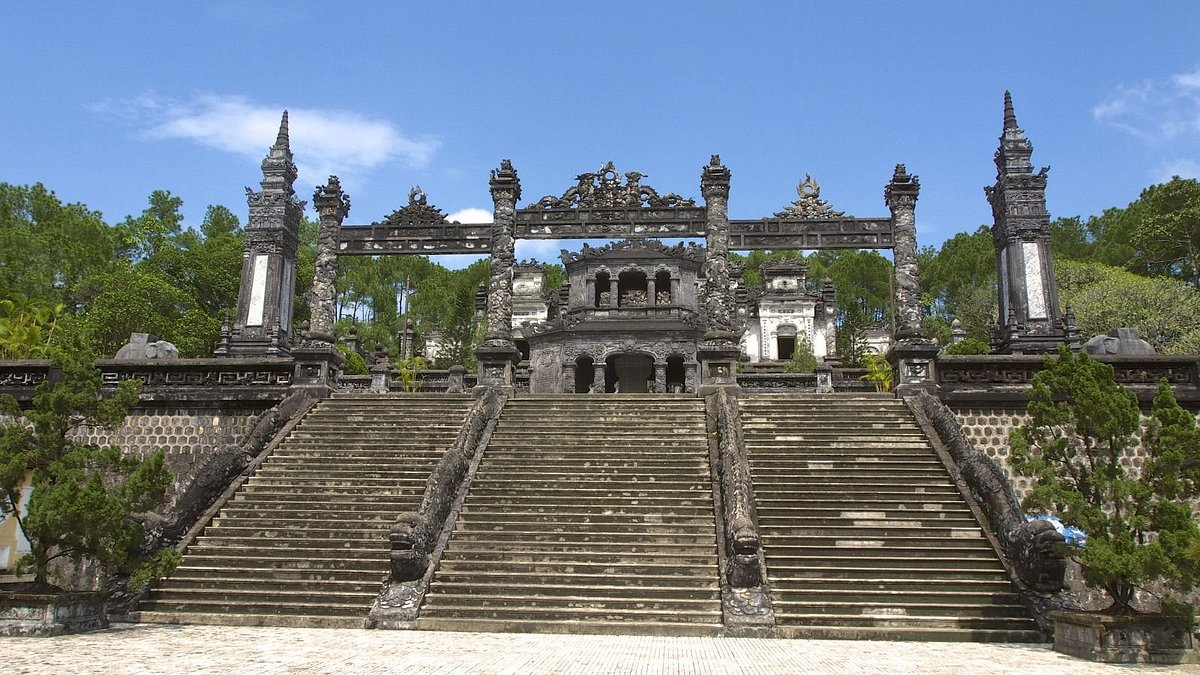
- The Tomb of Khai Dinh (The Eclectic): A stark contrast to the others, this tomb is a vertical climb of 127 steps. Built in the 1920s, it famously blends French Baroque, Gothic, and Oriental aesthetics. The interior of the Thien Dinh Palace is a breathtaking explosion of glass and porcelain mosaics, featuring the “Hidden Dragon in the Clouds” ceiling fresco—the largest of its kind in Vietnam.
3. Thien Mu Pagoda: The Spiritual Sentinel
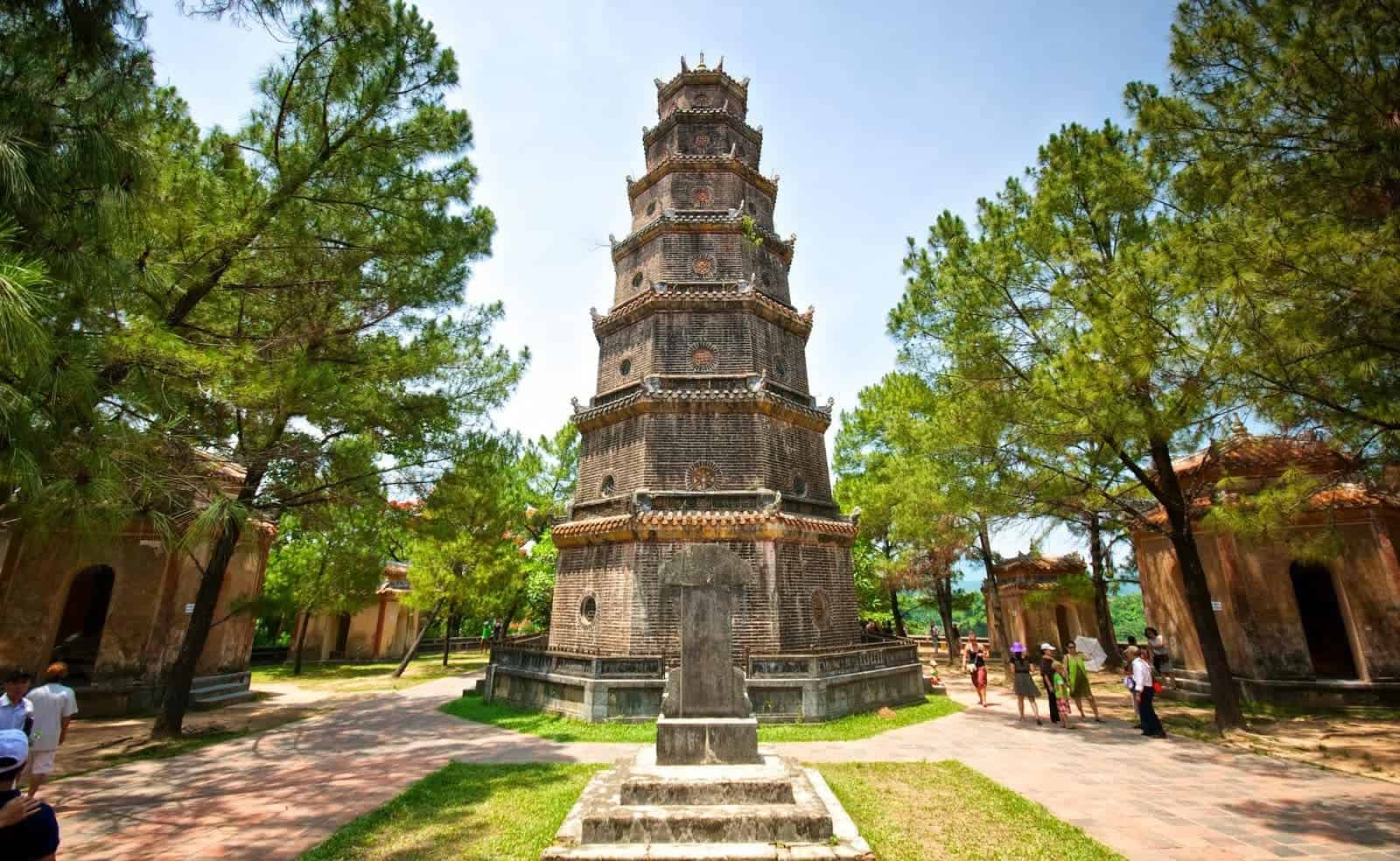
No list of Hue tourist attractions is complete without the Thien Mu Pagoda (Pagoda of the Celestial Lady). Perched on the banks of the Perfume River, its seven-story Phuoc Duyen Tower has become the unofficial icon of the city.
- Historical Weight: Beyond its religious beauty, the pagoda is a site of political history. Here, you will find the pale-blue Austin motorcar used by the monk Thich Quang Duc before his self-immolation in 1963—a pivotal moment in the Buddhist struggle for religious equality.
- The Experience: Time your visit for late afternoon. The sound of the pagoda’s bells ringing across the river at sunset provides a moment of profound spiritual peace.
4. An Dinh Palace: The Pearl of Neoclassical Architecture
Often overlooked by those on a tight schedule, An Dinh Palace is a “must” for lovers of art and history. This was the private residence of Emperor Khai Dinh and later the home of the last Emperor, Bao Dai.
- Visual Highlights: The palace is a stunning example of Vietnamese-European fusion. The interior features rare mural paintings depicting the six main Royal Tombs, rendered in a Western realistic style that was revolutionary for its time.
- Pop Culture Connection: The palace has gained renewed fame recently as a filming location for several Vietnamese historical dramas and music videos, highlighting its timeless “Old World” elegance.

5. The Perfume River & Royal Court Music
The Perfume River (Song Huong) is the lifeblood of Hue. It earns its name from the orchids and medicinal herbs that used to fall into the water from upriver forests, creating a fragrant aroma.
- Dragon Boat Excursions: Taking a dragon boat is not just a tourist activity; it is the most authentic way to travel between the Citadel and the outlying tombs.
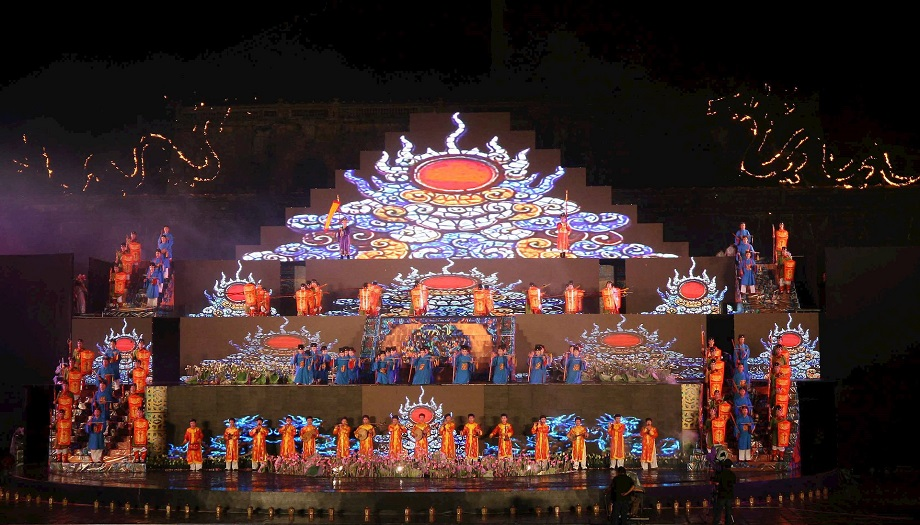
- Nha Nhac (Royal Court Music): At night, these boats transform into floating stages. Nha Nhac is a UNESCO Intangible Cultural Heritage. Listening to the haunting melodies of the dan bau (monochord) while drifting under the glowing Truong Tien Bridge is an essential Hue experience.
Hidden Gems & Modern Culture in Hue Vietnam Sightseeing
1. Thuy Xuan Incense Village: A Sensory Spectacle
Located on the road to the Tu Duc Tomb, this village has been producing incense for the court and commoners for over 200 years.
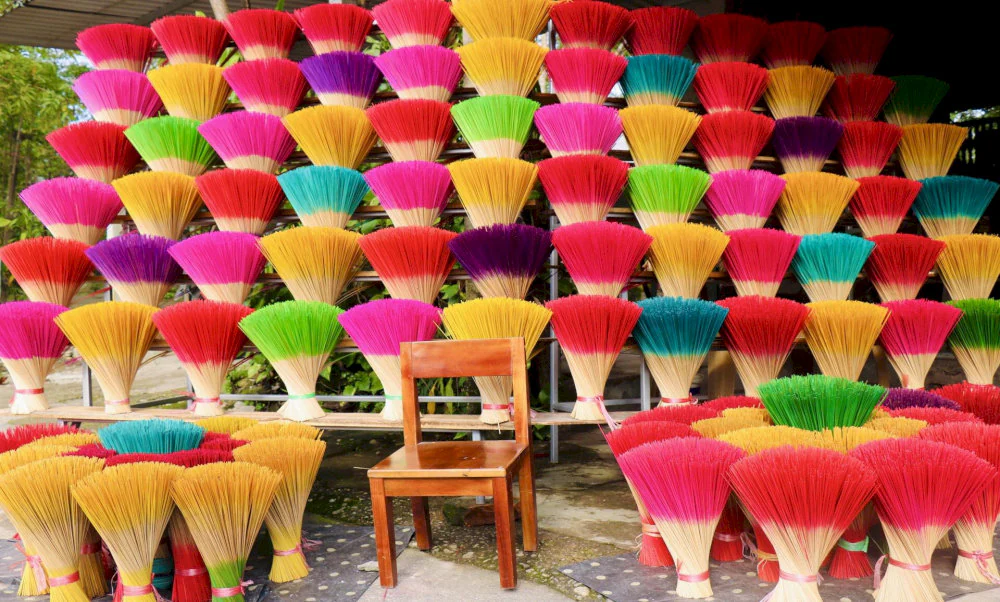
- The Vibe: Hundreds of colorful incense “bouquets”—in shades of crimson, yellow, violet, and turquoise—are dried in the sun, creating an incredible backdrop for photography.
- Cultural Immersion: Visitors are encouraged to sit with local artisans to learn the art of hand-rolling incense. It is a fantastic place to buy traditional gifts like cinnamon-scented incense or hand-painted conical hats.
2. Lebadang Memory Space: A Modern Artistic Sanctuary
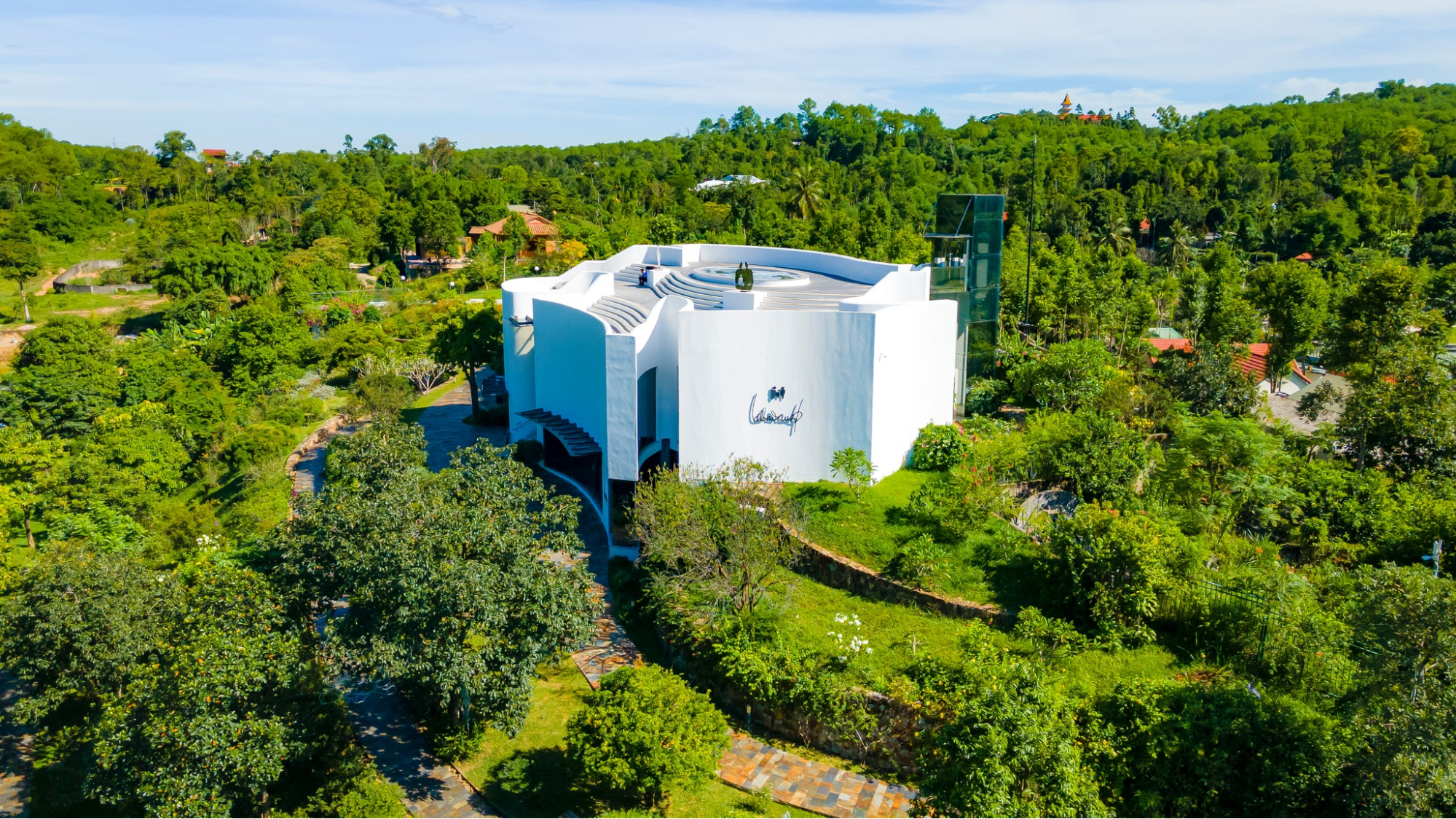
For those seeking a contemporary contrast to Hue’s ancient ruins, this private museum is a revelation. Dedicated to the world-renowned artist Le Ba Dang, the space is a fusion of nature, architecture, and “void” philosophy.
- The Design: The gallery is a stark white, minimalist structure set against lush gardens and underground tunnels. The rooftop offers panoramic views of the Hue countryside, making it a favorite for travelers looking for a quiet, sophisticated escape.
3. Ho Thuy Tien: The Eerie Allure of Abandoned Spaces
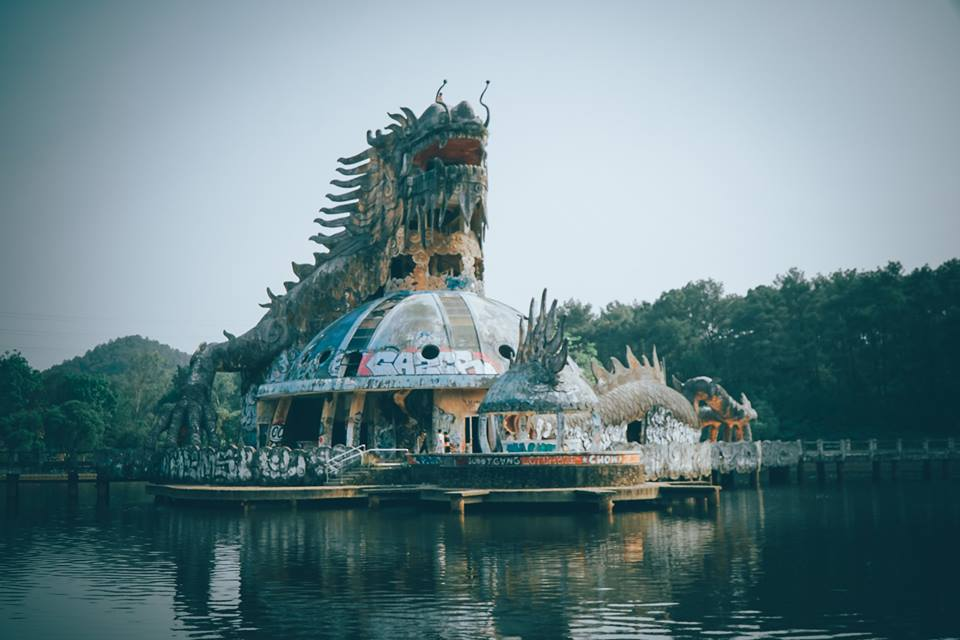
Originally built as a luxury water park, Ho Thuy Tien was abandoned shortly after its opening due to financial issues. Today, it has become a cult-favorite “hidden gem” for urban explorers.
- The Icon: The massive, rusting dragon head that rises out of the lake is both haunting and beautiful. While nature has begun to reclaim the slides and amphitheater, the site remains one of the most unique “dark tourism” spots in Southeast Asia.
- Note: Accessibility can fluctuate based on local regulations, so it is best to check with a local guide before heading out.
The New Era of Hue Travel: The Luxury Train Experience
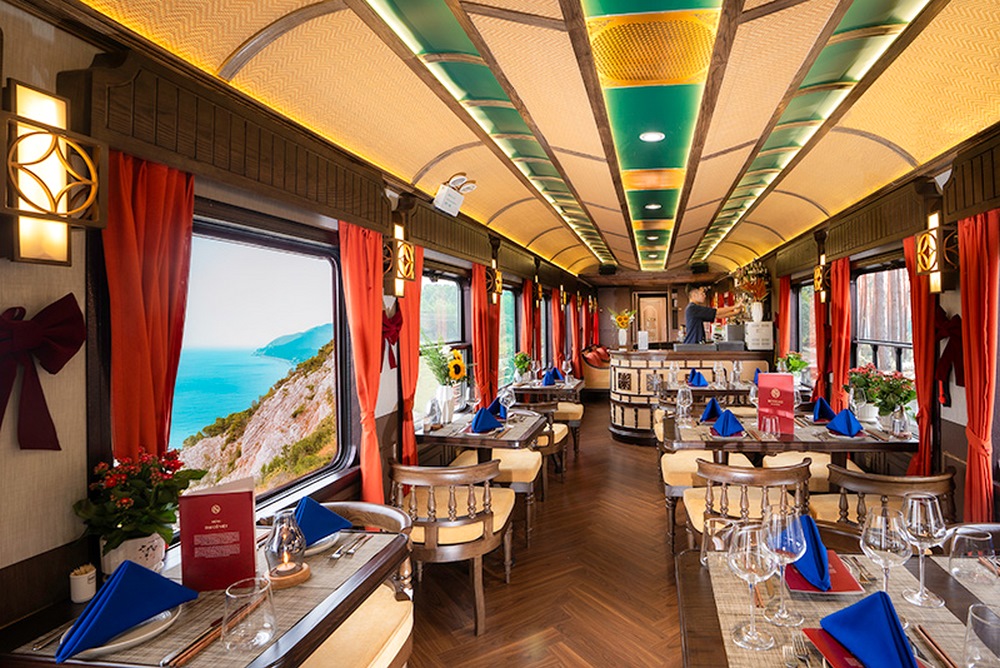
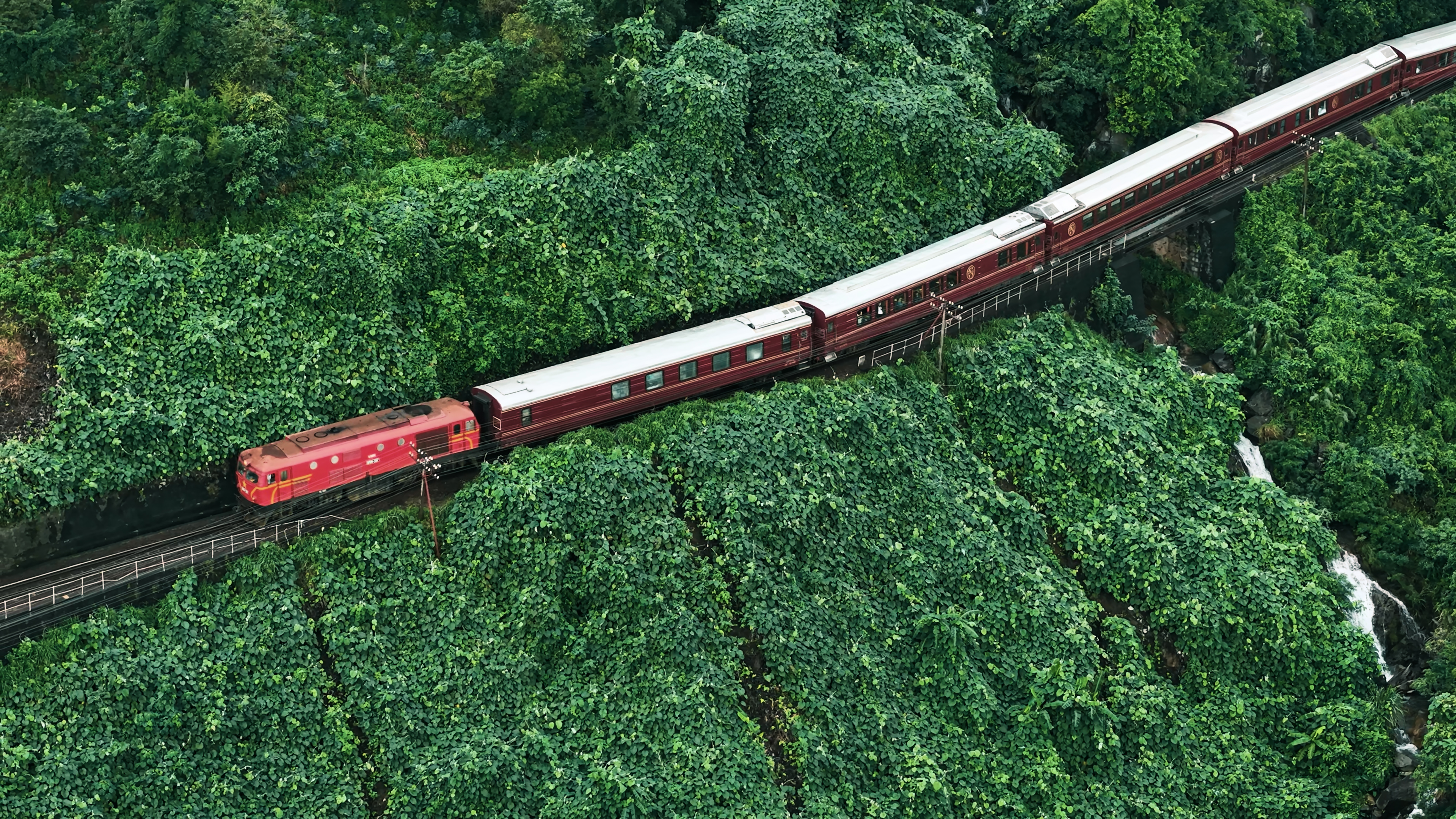
For travelers seeking a journey that is as magnificent as the destination itself, arriving in the Ancient Capital has reached new heights of elegance. While there are many ways to travel Hue, the most sophisticated method in 2026 is via the S-Journey Luxury Train.
The S-Journey: A “Moving Heritage” Experience
Connecting the grand cities of Hanoi and Ho Chi Minh City with a pivotal stop in Hue, the S-Journey Luxury Train reimagines the golden age of rail travel. This is not merely a transport option; it is a 5-star mobile hotel designed to mirror the Indochine aesthetic of the Nguyen Dynasty era.
- Scenic Splendor: The stretch between Da Nang and Hue via the Hai Van Pass is often cited as the most beautiful railway route in Asia. From the panoramic windows of the luxury carriage, you can witness the dramatic cliffs of the Annamite Range meeting the turquoise waters of the East Sea—a view inaccessible by plane and far more intimate than by car.
- Royal Comfort on Rails: The cabins are masterpieces of craftsmanship, featuring high-end wood paneling, velvet upholstery, and modern amenities. Guests can enjoy fine dining in the restaurant carriage, where “Royal Hue” cuisine is served against the backdrop of the passing Vietnamese countryside.
- A Seamless Cultural Transition: Arriving at the historic Hue Railway Station—a beautiful example of French colonial architecture—sets the perfect tone for your Hue Vietnam sightseeing adventure.
Why Choose the Luxury Train for Your 2026 Trip?
If you are planning an 8-day cross-country itinerary, the luxury train allows you to bypass the “airport fatigue” of check-ins and security lines. Instead, you wake up refreshed as the train glides into the misty morning of Central Vietnam, ready to explore the Imperial Citadel.
Pro Tip: Because the S-Journey is an exclusive experience with limited cabins, it is highly recommended to book your tickets at least 2–3 months in advance, especially during the “Golden Window” of February to April.
Ready to embark on a regal journey to the Ancient Capital aboard the S-Journey Luxury Train? Contact our travel experts today at +84-975-119-466 to secure your 2026 booking and personalized itinerary.
>>> Read more: Hue: A Journey Through Vietnam’s Imperial Past

The Travel Story Team is the editorial group behind Vietnam Luxury Express – passionate storytellers and travel enthusiasts dedicated to sharing the art of luxury train journeys across Vietnam.