
Luxury train travel in Southeast Asia is no longer just about reaching a destination—it is about how the journey unfolds. As the region redefines premium travel, the comparison of SJourney vs other luxury trains in Southeast Asia has become increasingly relevant for discerning travelers seeking more than just comfort.
Among iconic rail experiences, each journey offers a distinct philosophy. Yet, when exploring SJourney vs other luxury trains in Southeast Asia, a deeper question emerges: is luxury defined by timeless elegance, or by meaningful cultural immersion?
The Evolution of Luxury Rail Travel in Southeast Asia
Once dominated by colonial-era nostalgia, luxury trains in Southeast Asia have traditionally emphasized grandeur—polished wood interiors, formal dining, and routes that connect major cities across borders.
The iconic Eastern & Oriental Express, for instance, has long been synonymous with this style. Its journeys through Singapore, Malaysia, and Thailand evoke a sense of old-world charm, where the experience is defined by elegance and refinement.
However, a new generation of travelers is seeking something more immersive. They want to go beyond scenic observation—to step into the culture, to feel the rhythm of each destination, and to experience a journey that is as meaningful as it is beautiful.
This shift has paved the way for a new kind of luxury rail experience—one that SJourney represents with quiet confidence.
What Defines a Modern Luxury Train Experience?
Before comparing SJourney vs other luxury trains in Southeast Asia, it is essential to understand how the concept of luxury itself has evolved.
Beyond Transportation: A Moving Sanctuary
Today’s luxury trains are not simply modes of travel—they are moving sanctuaries. Private cabins are designed with intention, dining becomes a culinary narrative, and every detail is curated to create a seamless experience.
Yet, true luxury is no longer defined by opulence alone. It lies in the feeling of ease, the sense of space, and the ability to disconnect from the ordinary.
The Role of Route and Storytelling
Another key distinction in SJourney vs other luxury trains in Southeast Asia lies in how each train approaches cultural storytelling. A journey is only as meaningful as the story it tells. While traditional routes often focus on connecting major destinations, modern travelers are increasingly drawn to journeys that unfold like a narrative—each stop revealing a new layer of culture and history.
Onboard vs Offboard Experiences
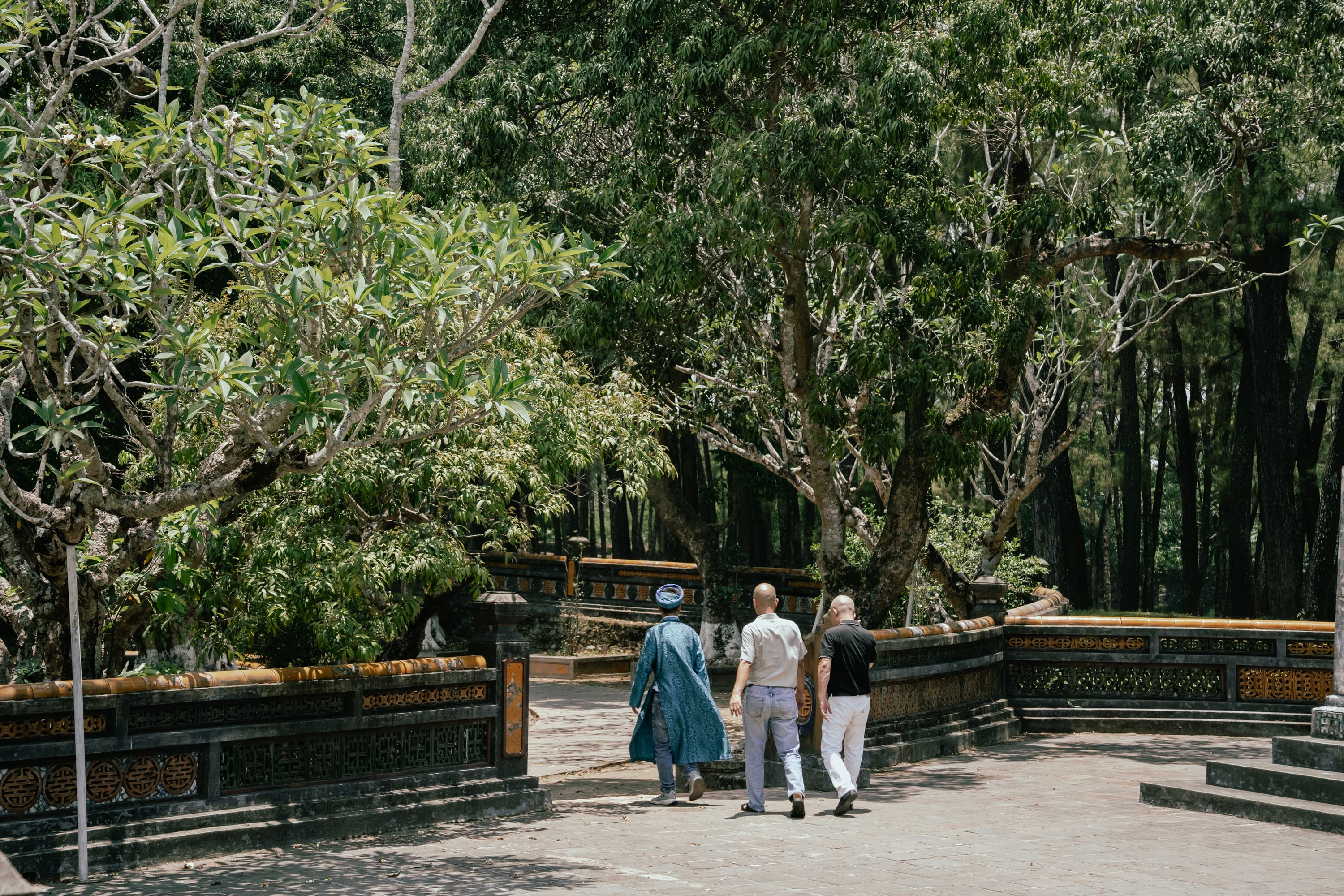
Ultimately, the comparison of SJourney vs other luxury trains in Southeast Asia highlights a shift from traditional luxury to experience-driven travel. While classic luxury trains emphasize onboard elegance, newer concepts integrate off-train excursions as a core part of the journey.
This is where the distinction between SJourney vs other luxury trains in Southeast Asia becomes particularly compelling.
SJourney vs Other Luxury Trains in Southeast Asia: A Thoughtful Comparison
Route Philosophy: Depth vs Breadth
One of the most significant differences between SJourney and the Eastern & Oriental Express lies in their approach to geography.
- The Eastern & Oriental Express spans multiple countries, offering a cross-border journey that highlights the diversity of Southeast Asia. It is a panoramic introduction—broad, elegant, and iconic.
- SJourney, on the other hand, focuses entirely on Vietnam. Its routes traverse the length of the country, connecting destinations such as Hanoi, Hue, and Ho Chi Minh City.
This creates a different kind of experience: one that prioritizes depth over breadth. Instead of glimpsing multiple countries, travelers are invited to fully immerse themselves in a single narrative.

Design Language: Local Identity vs Colonial Elegance
Design is another defining element in the conversation of SJourney vs other luxury trains in Southeast Asia.
The Eastern & Oriental Express draws heavily from colonial aesthetics – dark wood panels, vintage fabrics, and a distinctly European sense of formality. It is timeless, polished, and reminiscent of a bygone era.
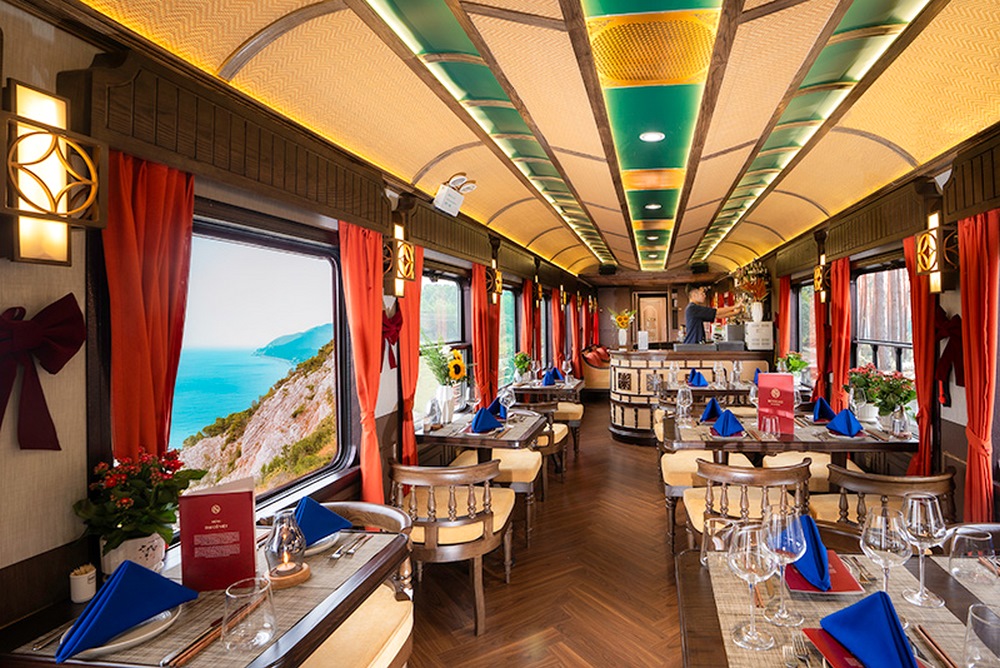
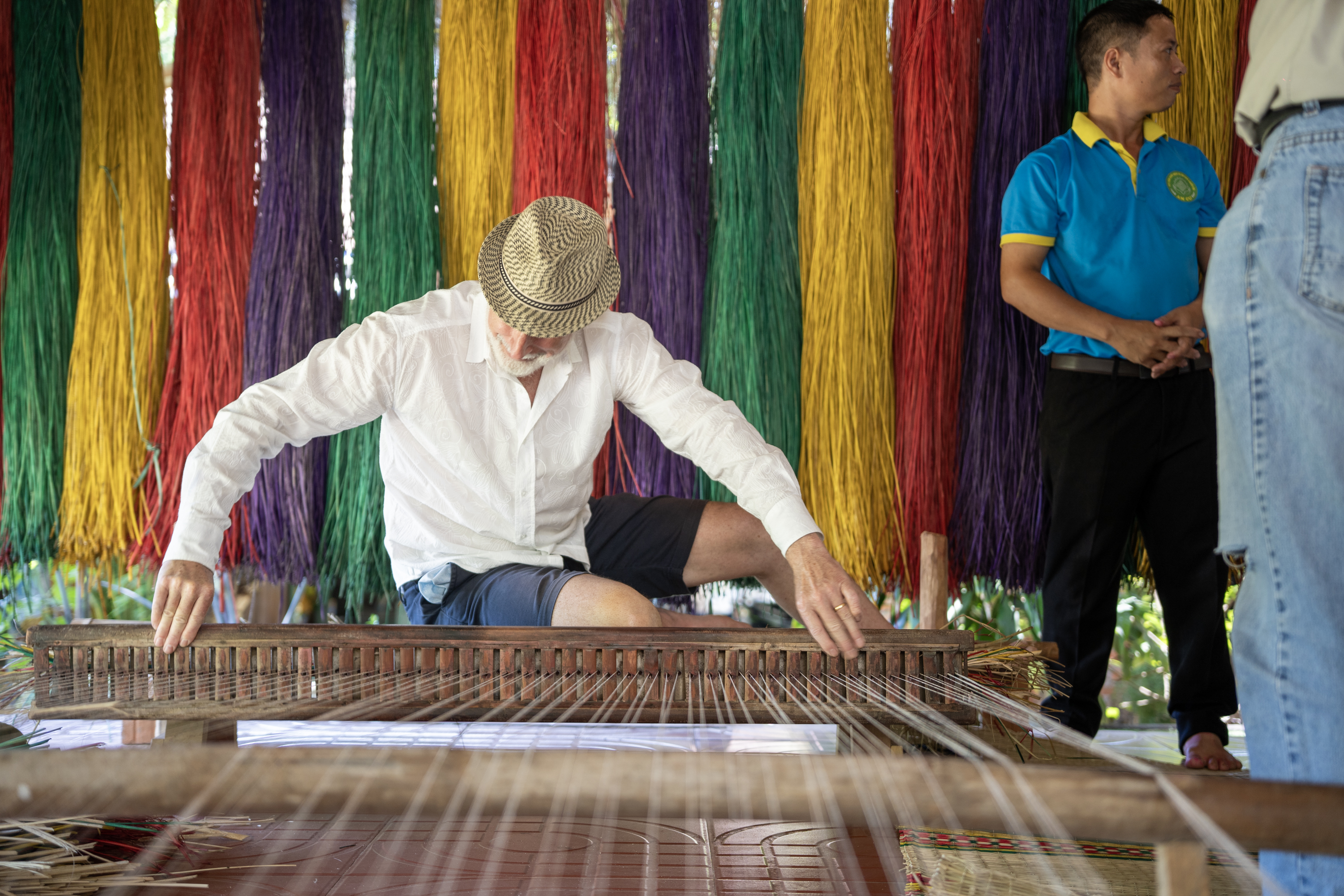
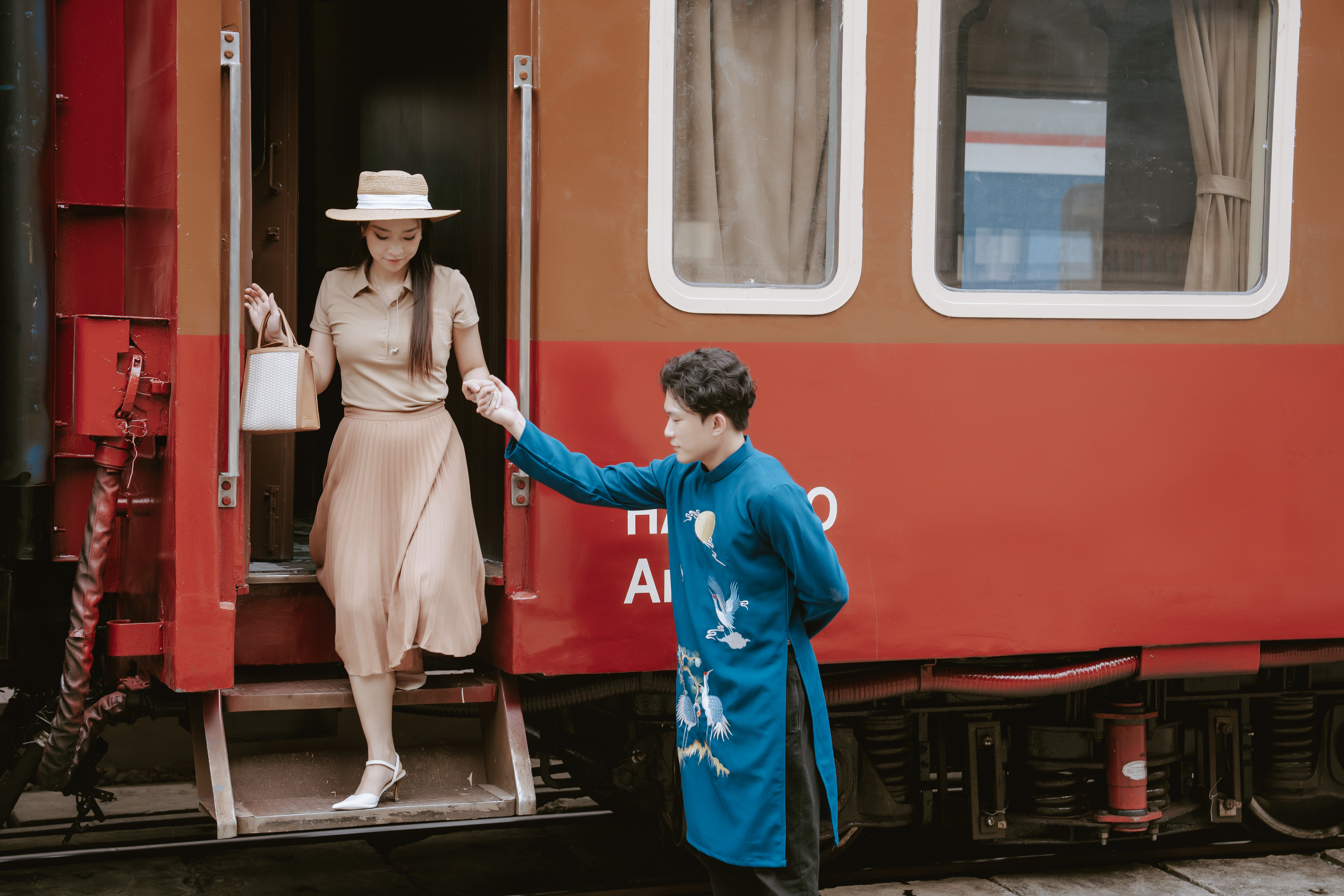
SJourney takes a different approach. Inspired by Indochine heritage, its interiors blend French architectural influences with Vietnamese cultural elements. The result is a space that feels both refined and rooted—a modern interpretation of local identity rather than a replication of Western luxury.
Onboard Experience: Formal Luxury vs Relaxed Sophistication
Luxury can be expressed in many ways, and the onboard atmosphere plays a crucial role in shaping the overall experience.
On the Eastern & Oriental Express, the experience is structured and formal. Fine dining follows a dress code, service is highly polished, and the ambiance leans toward classic sophistication.
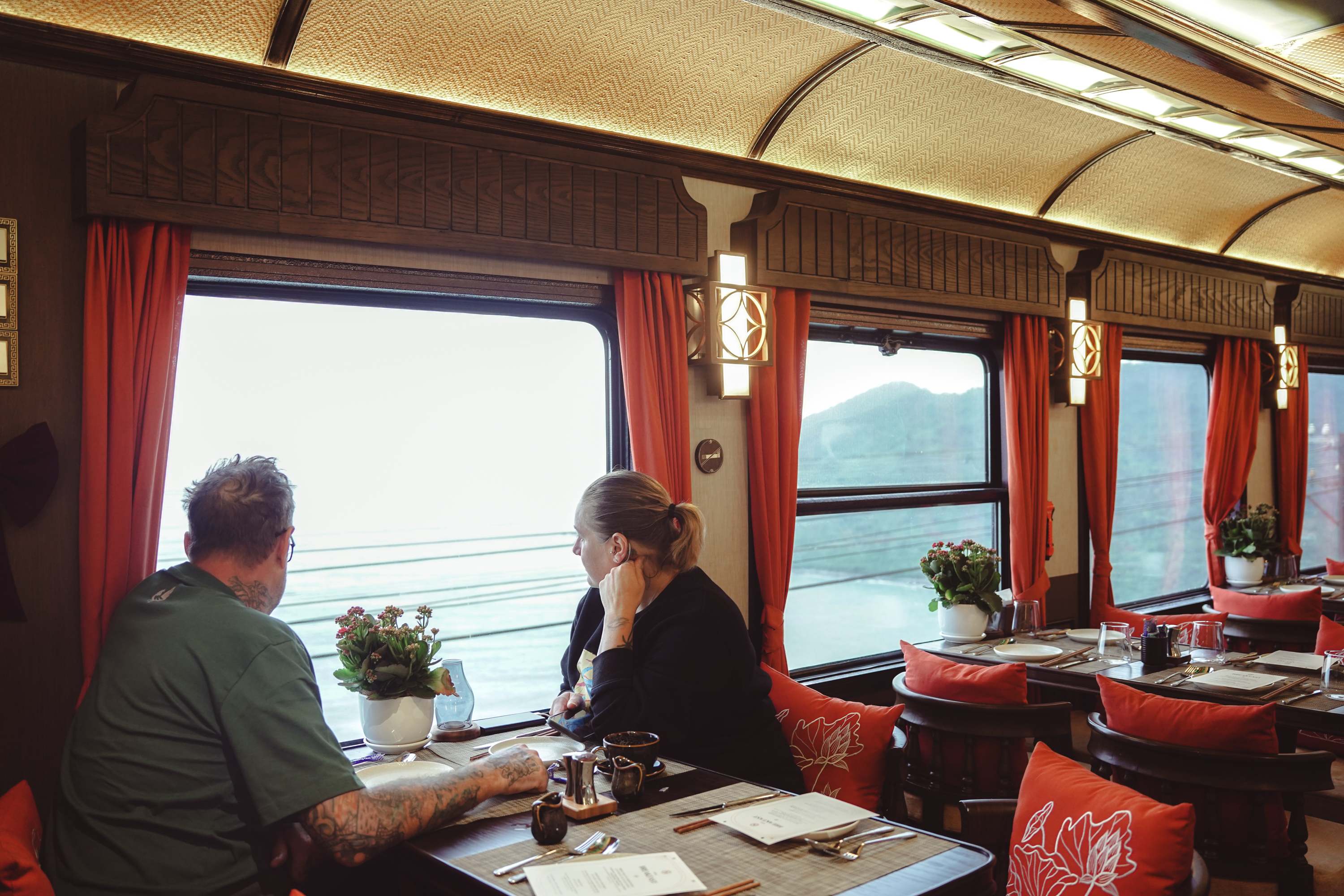
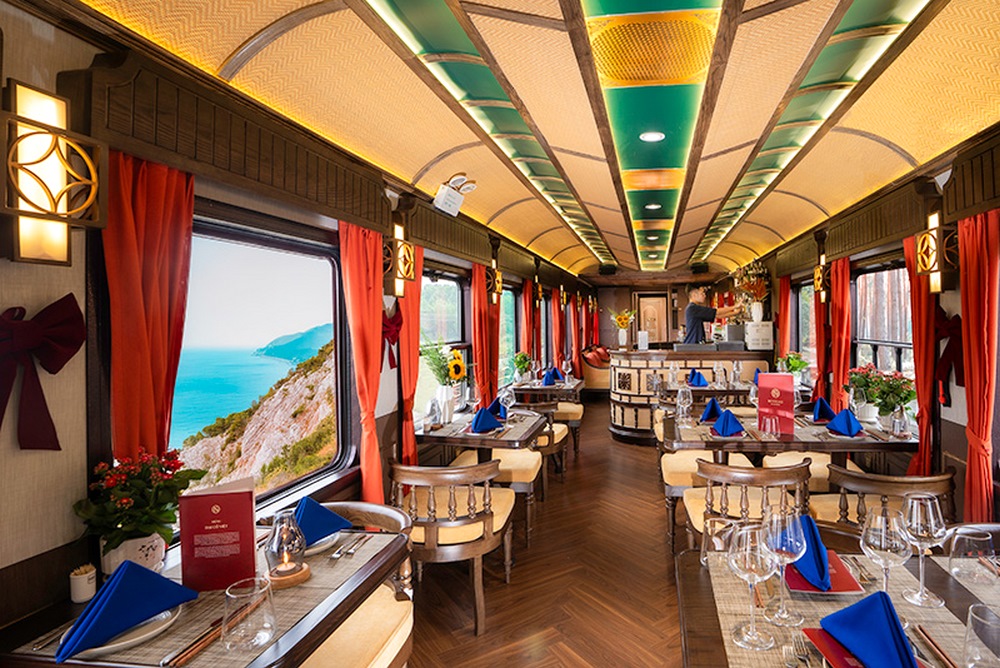
In contrast, SJourney offers a more relaxed interpretation of luxury. Dining remains refined, but the atmosphere is approachable. Guests are encouraged to feel at ease—whether enjoying a quiet moment in their cabin or engaging in curated cultural activities onboard.
Journey Design: Fixed Routes vs Curated Itineraries
Another key distinction in SJourney vs other luxury trains in Southeast Asia lies in how journeys are structured.
Traditional luxury trains often operate on fixed routes with limited flexibility. While this ensures consistency, it can also create a more passive travel experience.
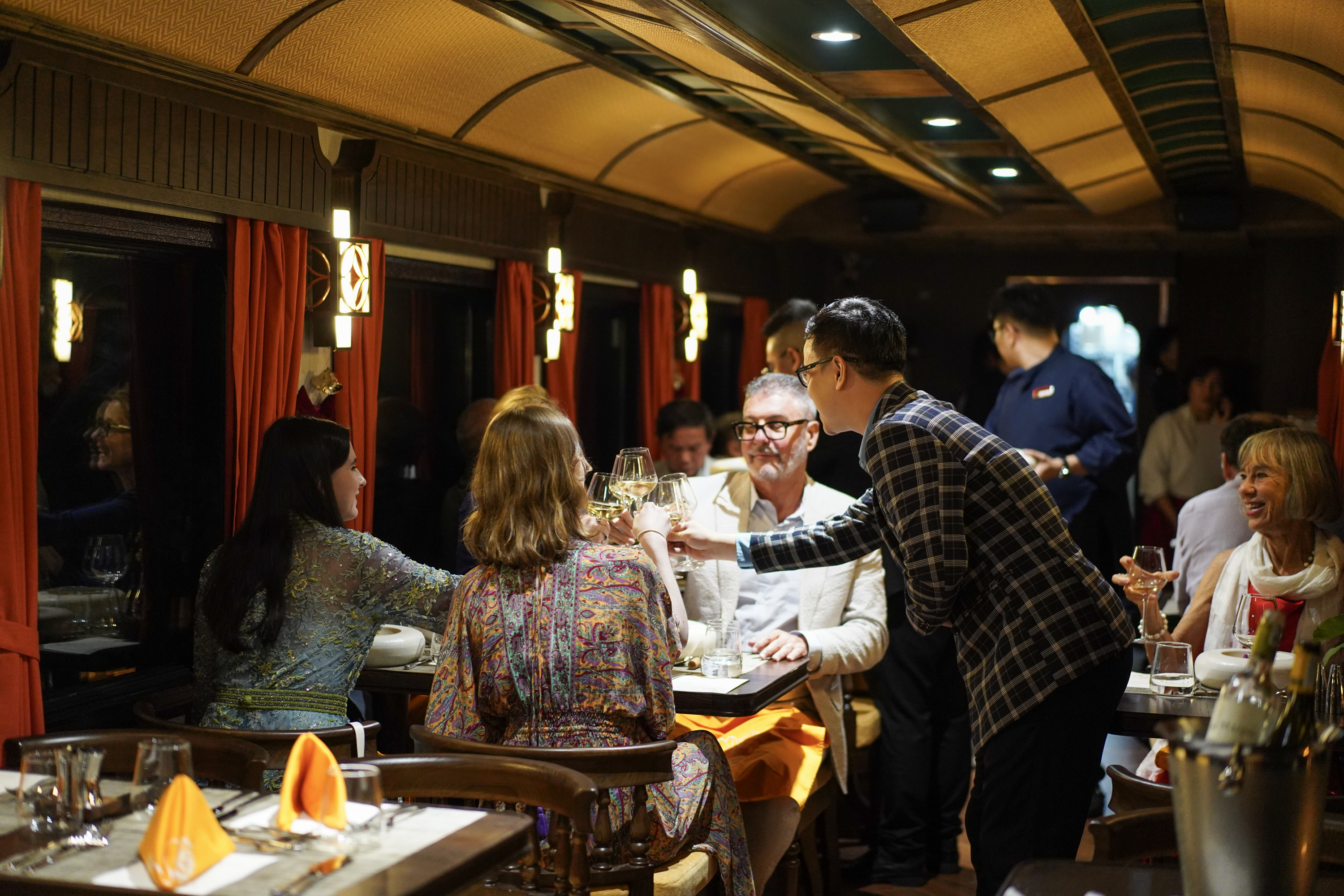
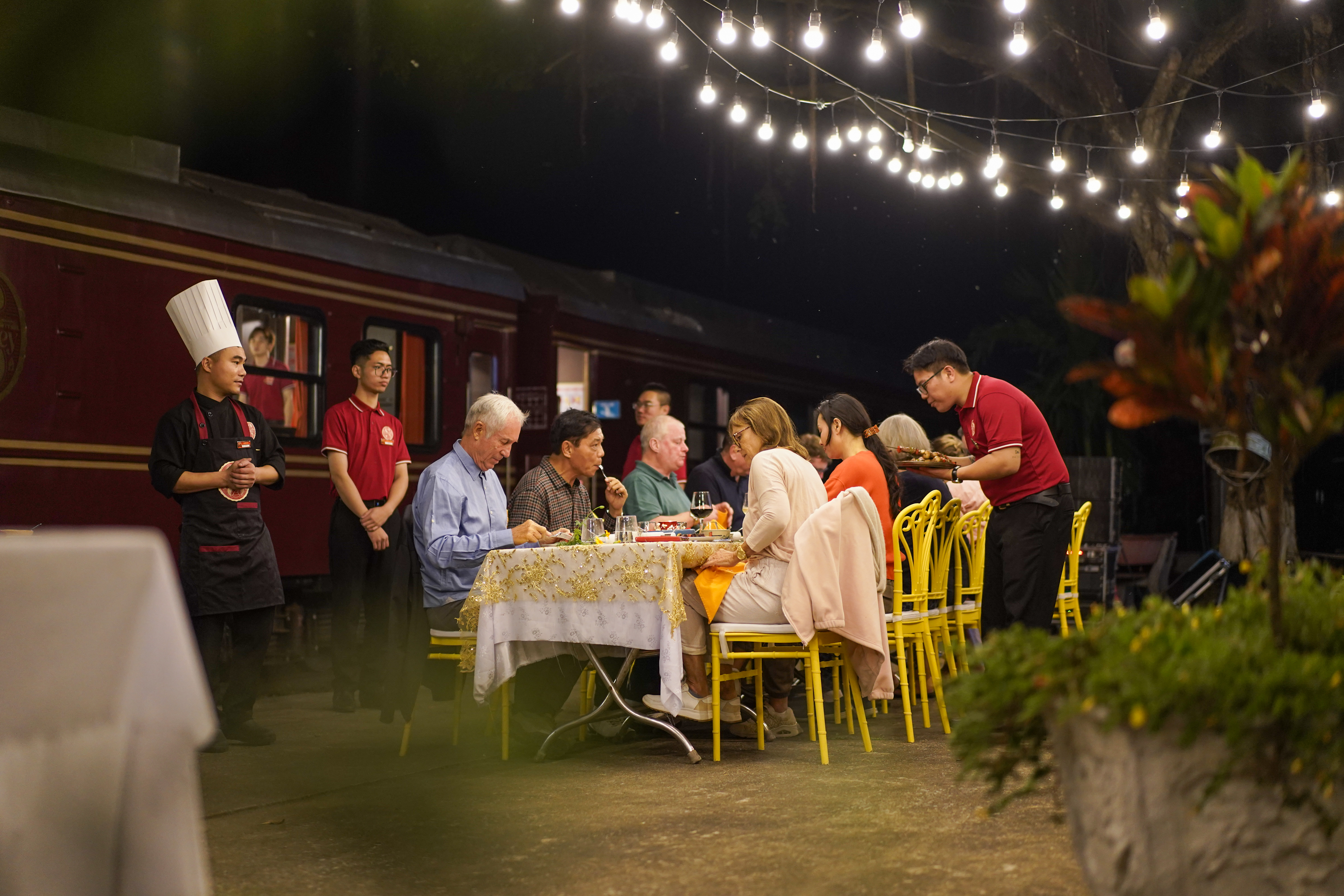
SJourney, by contrast, is designed as an all-inclusive journey. Beyond transportation, it incorporates guided excursions, cultural experiences, and seamless transfers.
Cultural Immersion: Observation vs Participation
Perhaps the most defining difference between SJourney and other luxury trains is the level of cultural immersion.
On traditional routes, culture is often observed—from the window, from curated stops, or through storytelling onboard.
SJourney invites participation. Travelers are not just spectators; they become part of the journey. From walking through historic streets to interacting with local artisans, the experience is designed to foster genuine connection.
This shift—from observation to participation—is what sets SJourney apart in the evolving landscape of luxury travel.

SJourney’s guests explore Poshanu Cham Towers
Who Should Choose SJourney?
For travelers seeking more than just comfort, SJourney offers a uniquely compelling experience.
It is ideal for:
- Those who value cultural depth and storytelling
- Travelers exploring Vietnam for the first time
- Individuals who prefer immersive, all-inclusive journeys
- Guests who appreciate refined design with local character
SJourney is not simply a train—it is a narrative that unfolds across Vietnam.
Why SJourney Reflects the Future of Luxury Rail
The comparison of SJourney vs other luxury trains in Southeast Asia ultimately reveals a broader trend in global travel.
Luxury is no longer defined solely by aesthetics or exclusivity. It is increasingly shaped by authenticity, personalization, and meaningful engagement.
Vietnam itself is emerging as a destination that embodies these values. From the cultural richness of Hanoi to the dynamic energy of Ho Chi Minh City, the country offers a narrative that is both diverse and deeply rooted.
SJourney captures this narrative—not as a backdrop, but as the essence of the journey.
Conclusion
In the end, SJourney vs other luxury trains in Southeast Asia is not a matter of better or worse—it is a reflection of different travel philosophies.
For those drawn to timeless elegance and cross-border journeys, traditional luxury trains remain a compelling choice. But for travelers seeking deeper connection, cultural immersion, and a more contemporary interpretation of luxury, SJourney offers a new and meaningful way to explore.
————–
SJourney
Hotline (Phone/whatsapp): +84-975-119-466
Email: inquiry@vietnamluxuryexpress.com
Head office: No. 15/52 Giang Van Minh, Ba Dinh, Hanoi
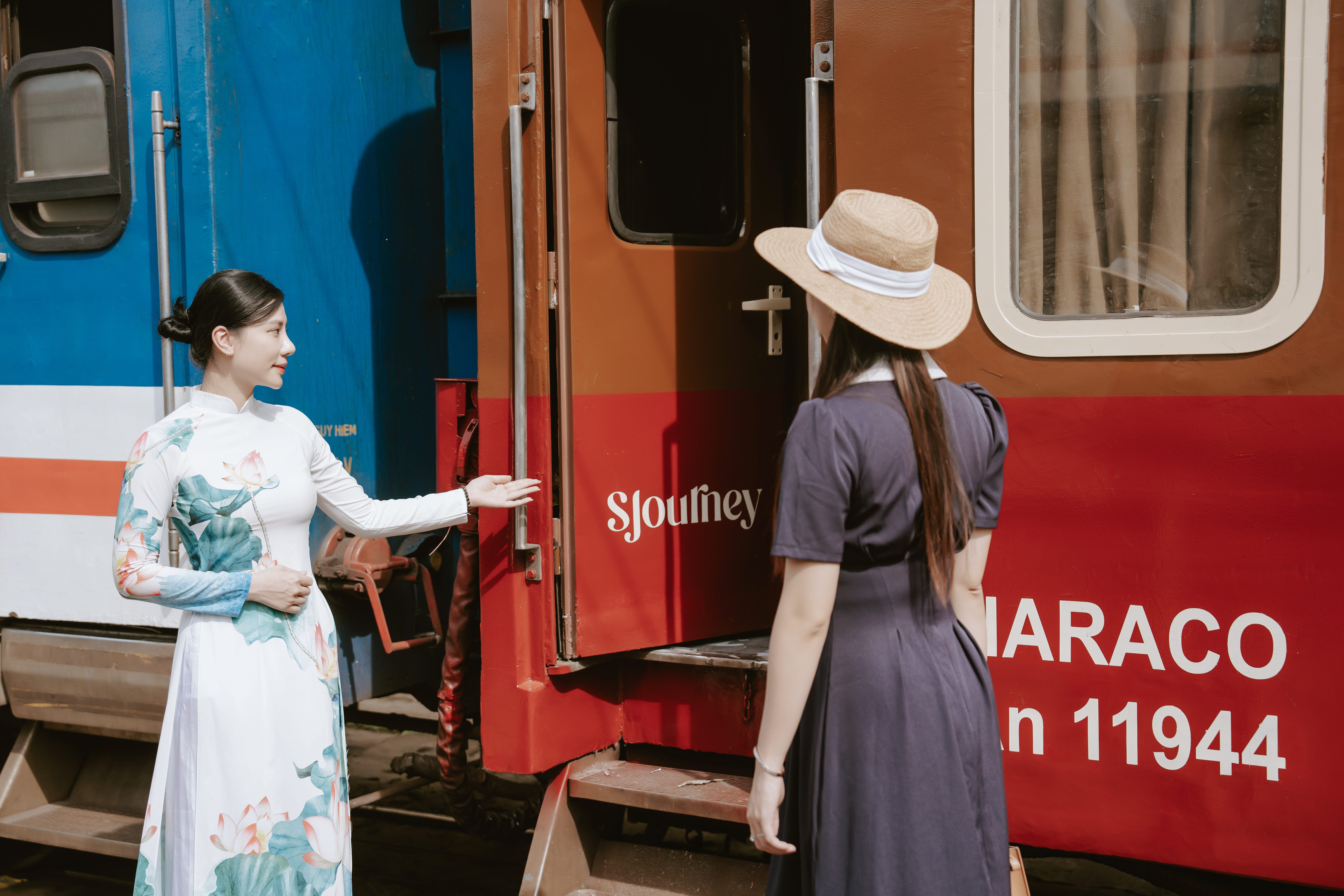
The Travel Story Team is the editorial group behind Vietnam Luxury Express — passionate storytellers and travel enthusiasts dedicated to sharing the art of luxury train journeys across Vietnam.