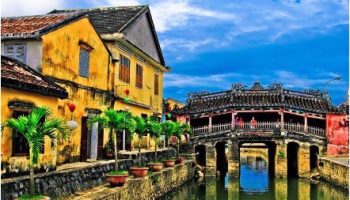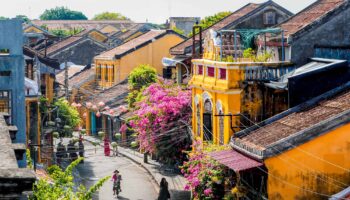
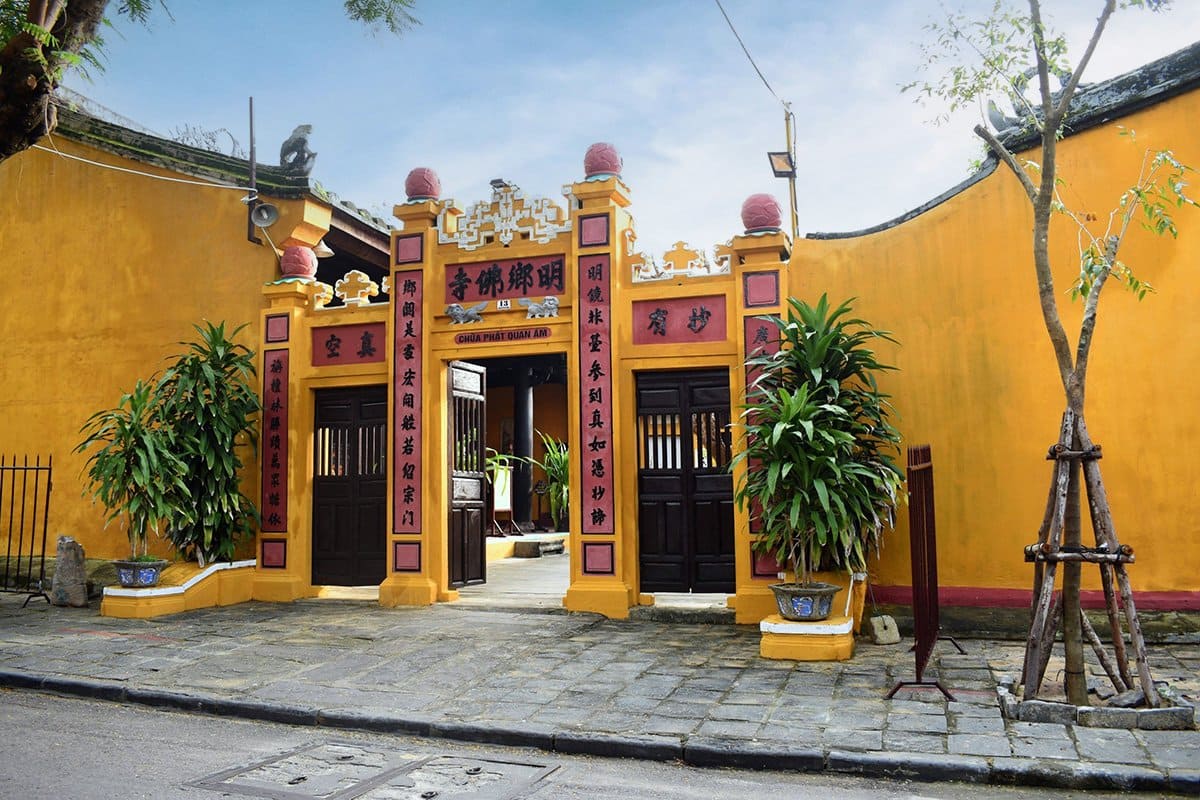
When visiting Hoi An, most travelers immediately think of lantern-lit streets, yellow ancient houses and the romantic Hoai River. Yet beyond the vibrant charm of the Old Town, Quan Am Pagoda Hoi An offers a completely different experience — one of tranquility, spirituality and inner calm.
Located not far from the bustling heart of the heritage town, Quan Am Pagoda is a meaningful stop for those who wish to slow down, reflect and connect with the spiritual side of Hoi An Ancient Town Vietnam. This guide will help you explore the history, architecture, spiritual significance and practical travel tips for visiting Quan Am Pagoda in Hoi An.
Introduction to Quan Am Pagoda Hoi An
Quan Am Pagoda Hoi An is a Buddhist temple dedicated to Avalokiteshvara (Quan Am), the Bodhisattva of Compassion. Unlike the crowded streets of the Old Town, the pagoda is known for its serene atmosphere, making it a favorite destination for both locals and travelers seeking peace.
As Hoi An continues to attract visitors from all over the world, spiritual landmarks like Quan Am Pagoda play an increasingly important role in shaping a more meaningful and balanced travel experience — one that goes beyond sightseeing to emotional and cultural connection.
History of Quan Am Pagoda Hoi An
The history of Quan Am Pagoda Hoi An is closely connected to the spread of Buddhism in central Vietnam. For centuries, the pagoda has served as a place of worship, meditation and spiritual refuge for local residents.
Quan Am, the Bodhisattva of Mercy, holds a special place in Vietnamese spiritual life. Devotees believe that visiting Quan Am Pagoda Hoi An brings blessings of peace, health and compassion. Over time, the pagoda has become not only a religious site but also a cultural symbol reflecting the gentle and harmonious spirit of Hoi An.
Despite changes brought by tourism development, Quan Am Pagoda Hoi An has preserved its original values, remaining a sacred space where tradition and faith continue to thrive.
Architecture of Quan Am Pagoda Hoi An
The architecture of Quan Am Pagoda Hoi An reflects classic Buddhist design blended harmoniously with the aesthetic of Hoi An Ancient Town.
Upon entering the pagoda, visitors are welcomed by a simple yet elegant gate that leads into a peaceful courtyard. The main hall houses a statue of Quan Am Bodhisattva, symbolizing compassion and protection. Soft incense smoke, wooden pillars and tiled roofs create an atmosphere of calm and reverence.
Unlike the bright yellow facades of the Old Town, the colors and materials of Quan Am Pagoda are subtle and natural, enhancing its meditative quality. The surrounding greenery further separates the pagoda from urban noise, making it an ideal place for quiet contemplation. 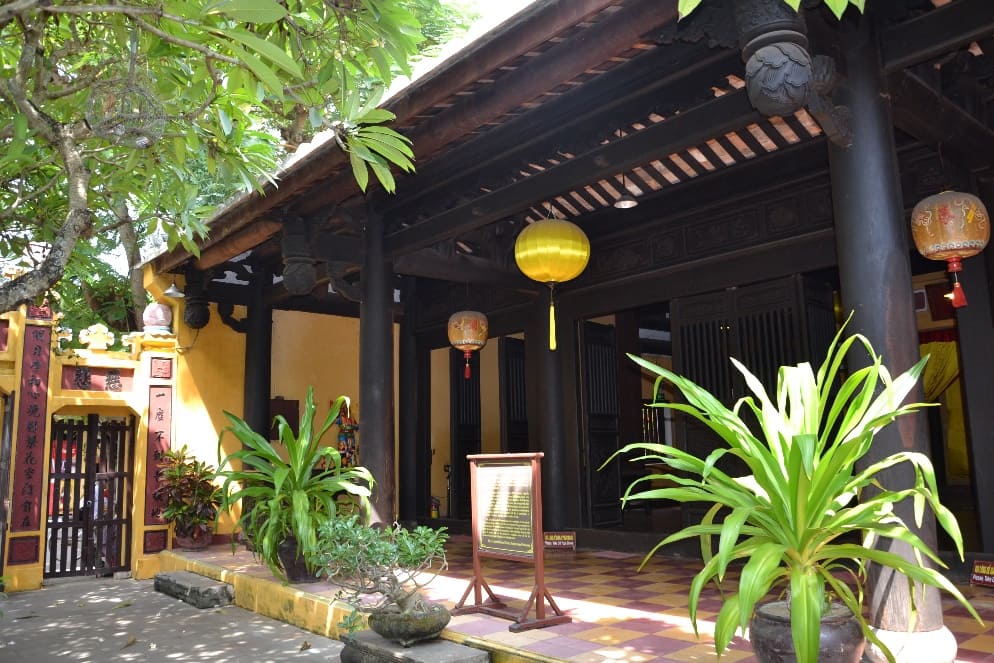
Spiritual Significance of Quan Am Pagoda in Hoi An
The architecture of Quan Am Pagoda in Hoi An reflects the essence of traditional Vietnamese Buddhist design — understated, spiritual and deeply connected to nature. Instead of overwhelming visitors with grandeur, the pagoda invites calm through simplicity.
Overall Layout and Spatial Design
The pagoda follows a classic Buddhist layout with a clear and intuitive structure. From the entrance gate, visitors move gradually into quieter inner spaces, symbolizing the journey from the outside world toward inner peace.
Open courtyards allow natural light and fresh air to flow freely, creating a balanced and meditative atmosphere that feels both sacred and welcoming.
Main Hall and Quan Am Statue
At the heart of the pagoda stands the main worship hall, where the statue of Quan Am Bodhisattva is enshrined. The statue’s gentle expression represents compassion, protection and mercy — values deeply rooted in Vietnamese spiritual life.
Soft lighting, incense smoke and wooden altars enhance the sense of reverence, encouraging visitors to slow down and reflect rather than rush through. 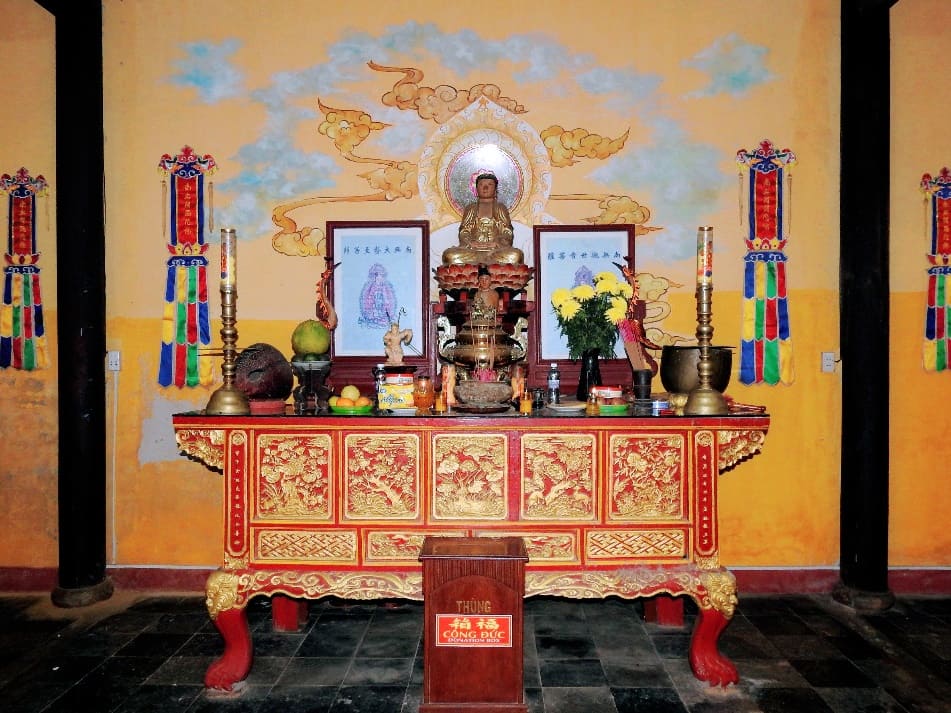
Materials, Colors and Decorative Details
Natural materials dominate the architecture: aged wood, clay roof tiles and stone elements. The color palette is intentionally restrained, featuring earth tones that contrast with the bright yellow facades of Hoi An Ancient Town.
Decorative details are minimal but meaningful, often featuring lotus motifs, Buddhist symbols and subtle carvings that emphasize spirituality over ornamentation.
Surrounding Landscape and Atmosphere
One of the most distinctive architectural features is how the pagoda blends into its surroundings. Trees, small gardens and shaded paths soften the structure and buffer outside noise.
This harmony between architecture and nature is what makes Quan Am Pagoda feel less like a tourist attraction and more like a living spiritual sanctuary.
How to Get to Quan Am Pagoda Hoi An
Getting to the Quan Am sanctuary is relatively easy, especially if you are already staying near Hoi An Ancient Town.
- From the Old Town: The pagoda can be reached by bicycle, taxi or motorbike within a short ride.
- By bicycle: A pleasant option for travelers who enjoy slow travel and exploring local neighborhoods.
- By taxi or ride-hailing services: Convenient and affordable, especially for families or small groups.
>>Many travelers choose to combine a visit to Quan Am Pagoda Hoi An with other cultural attractions nearby. You may also want to explore additional spiritual and heritage sites in Hoi An, such as those highlighted in this guide to Hoi An Ancient Town experiences
Best Time to Visit Quan Am Pagoda Hoi An
The best time to visit this spiritual site in Hoi An is early in the morning or late in the afternoon. During these hours, the atmosphere is cooler and quieter, allowing for a more reflective experience.
In terms of seasons, February to August offers the most pleasant weather. While the rainy season from October to December can bring fewer visitors, it also enhances the peaceful ambiance of Quan Am Pagoda Hoi An, especially for travelers seeking solitude. 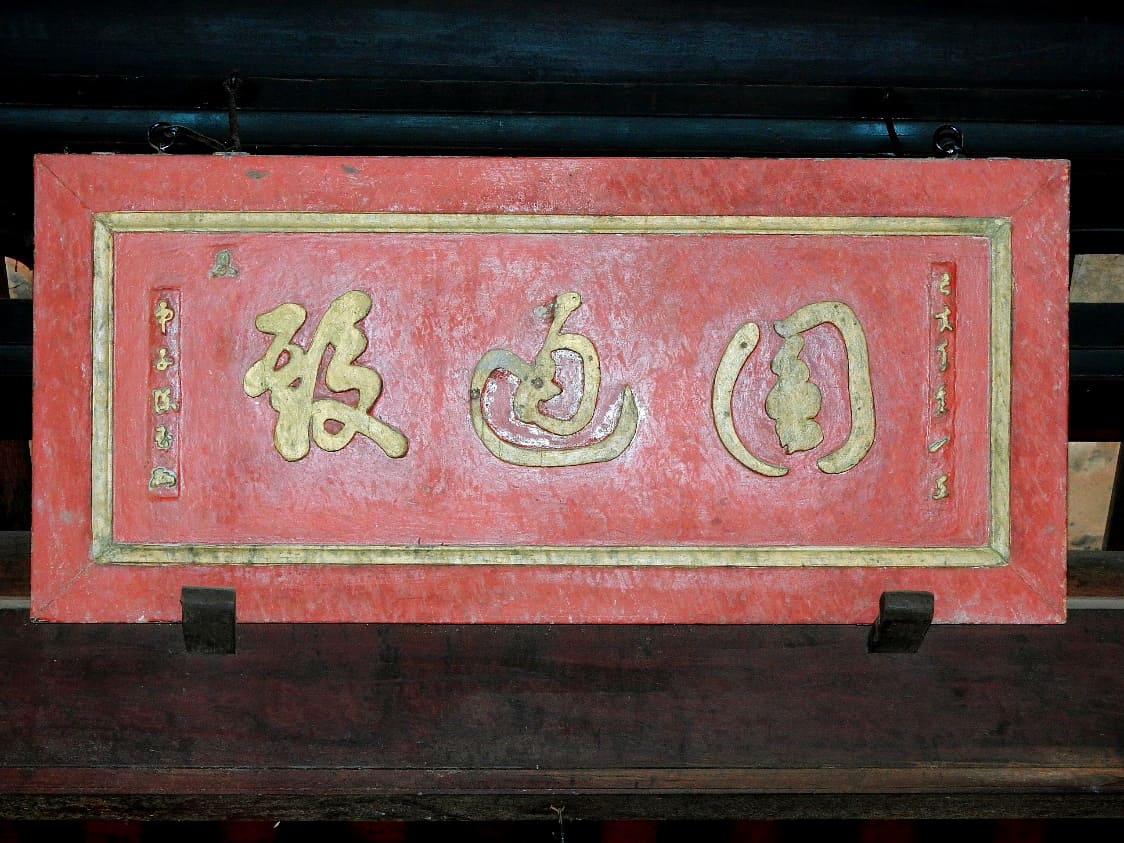
Travel Tips When Visiting Quan Am Pagoda Hoi An
To ensure a respectful and meaningful visit to Quan Am Pagoda Hoi An, keep the following tips in mind:
- Dress modestly, covering shoulders and knees.
- Speak softly and avoid loud conversations.
- Photography is usually allowed, but avoid disturbing worshippers.
- Take your time — this is not a place to rush through.
>>For travelers interested in combining spiritual exploration with luxury travel experiences in Vietnam, you may find inspiration from curated journeys like those featured HERE.
Suggested Itinerary Including Quan Am Pagoda Hoi An
A visit to Quan Am Pagoda Hoi An fits seamlessly into a half-day or full-day itinerary:
Morning:
Start your day with a peaceful visit to Quan Am Pagoda Hoi An, followed by breakfast at a local café.
Afternoon:
Explore Hoi An Ancient Town, visit heritage houses and enjoy lunch featuring local specialties.
Evening:
Relax by the Hoai River, watch lanterns light up the Old Town, and enjoy the calm contrast after your spiritual morning.
This balance between spiritual depth and cultural discovery is what makes Hoi An truly special.
A Meaningful Journey to Quan Am Pagoda Hoi An with Sjourney Train
Visiting Quan Am Pagoda Hoi An is more than a simple sightseeing activity — it is a moment of pause in a journey filled with beauty, history and emotion. The pagoda reminds travelers that Hoi An is not only a destination to see, but also a place to feel.
To elevate your journey to Hoi An, consider traveling with Sjourney Train, where the experience begins long before you arrive. With comfortable seating, panoramic windows and a refined atmosphere, Sjourney Train transforms the journey itself into a meaningful prelude to your visit.
From the gentle rhythm of the rails to the serene presence of Quan Am Pagoda Hoi An, every moment becomes part of a thoughtfully crafted travel experience — one that stays with you long after the trip ends.
————–
SJourney
Hotline (Phone/whatsapp): +84-975-119-466
Email: inquiry@vietnamluxuryexpress.com
Head office: No. 15/52 Giang Van Minh, Ba Dinh, Hanoi

The Travel Story Team is the editorial group behind Vietnam Luxury Express – passionate storytellers and travel enthusiasts dedicated to sharing the art of luxury train journeys across Vietnam.