
Understanding Ninh Binh weather is essential for planning a perfect trip to Vietnam’s iconic “Ha Long Bay on Land.” This guide provides a comprehensive monthly breakdown of temperatures, rainfall, and seasonal highlights, helping travelers choose the best time to visit. From misty winter mornings and vibrant spring rice fields to golden harvest seasons and monsoon landscapes, Ninh Binh’s climate directly shapes its scenery, activities, and overall travel experience.
Overview of Ninh Binh Vietnam Weather & Climate
Ninh Binh experiences a humid subtropical monsoon climate with four distinct seasons, but primarily two major ones: a dry season (typically November–April) and a wet season (May–October). This climate is influenced by both tropical and polar air masses, resulting in seasonal changes that are more pronounced than in Southern Vietnam.
Key Stats & Climate Details:
- Annual average temperature: Approximately 23-24°C (about 23.5°C).
- Average rainfall: Ranges from 1,700-1,830 mm annually.
- Highest rainfall: Occurs during the summer months, particularly July and August.
- Monsoon cycle: The winter monsoon (November-March) brings cooler, drier weather, while the summer monsoon (May-September) is hot and humid with high rainfall.
Ninh Binh Weather by Month – Detailed 2026 Breakdown
In 2026, weather ninh binh follows a subtropical pattern characterized by four distinct seasons. For most travelers, March–April and October–November offer the best balance of comfortable temperatures and dry conditions.
Monthly Breakdown for 2026
| Month | Avg Temp (°C) | Rainfall (mm) | Highlights & Scenery |
| January | 15 – 20°C | 18mm | Cool and misty; low crowds; fallow rice fields. |
| February | 16 – 22°C | 25mm | Gradual warming; Tet Festival energy; spring blooms. |
| March | 18 – 25°C | 45mm | Prime Spring: Vibrant green rice fields; perfect for hiking. |
| April | 22 – 28°C | 90mm | Warm and sunny; ideal for Trang An boat tours. |
| May | 25 – 32°C | 180mm | Summer begins; Golden Rice Harvest (late May); hot/humid. |
| June | 27 – 35°C | 240mm | Hottest month; lotus flowers in bloom; heavy afternoon rain. |
| July | 27 – 34°C | 320mm | Peak monsoon; high humidity (90%); lush, emerald landscapes. |
| August | 26 – 33°C | 350mm | Wettest month; highest typhoon risk; dramatic misty views. |
| September | 24 – 31°C | 200mm | Autumn transition; second golden rice harvest starts. |
| October | 22 – 28°C | 70mm | Best Month: Clear blue skies; low humidity; perfect for photography. |
| November | 19 – 25°C | 35mm | Cool and dry; ideal for climbing Mua Cave; very low rain. |
| December | 16 – 22°C | 20mm | Crisp winter air; misty mornings; atmospheric “Halong Bay on land”. |
Seasonal Summary
- Spring (Feb–April): A period of “misty mountain magic” and fresh greenery. The humidity can be high (up to 90%), leading to occasional “nom” (damp) conditions.
- Summer (May–August): Defined by intense heat and the rainy season. While challenging for hiking, the rice fields are at their most lush or golden.
- Autumn (Sept–Nov): Widely considered the “Golden Season” due to pleasant 22–27°C temperatures and clear visibility for landscape shots.
- Winter (Dec–Jan): The coolest and driest time. Temperatures can drop to 8–10°C during cold snaps, so warm layers are essential.
>>> Read more: Ninh Binh Winter – 7 Activities, Highlights & Luxury Travel by SJourney
Best Time to Visit Ninh Binh Vietnam
The best times to visit Ninh Binh are March to April (spring) and October to November (autumn) for comfortable weather, low rainfall, and excellent sightseeing conditions. Each season offers unique scenery, from lush greenery to golden rice fields.
- Best Weather: Autumn (October and November) has the most comfortable, dry weather.
- Golden Rice Fields: To see the iconic golden paddies, plan your visit for late May to early June or late September to mid-October.
- Festivals: The Lunar New Year (Tet Festival) (usually Jan or Feb) and the Hoa Lu Festival (April) are lively cultural experiences but can mean more crowds and higher prices.
- Typhoon Risk: The highest risk of typhoons and heavy rain is from August to October.
How Weather Impacts Ninh Binh’s Top Attractions
Weather conditions significantly influence the accessibility and visual experience of Ninh Binh’s primary sites. For 2026, travelers should account for seasonal shifts in water levels, visibility, and safety.
Trang An & Tam Coc (Boat Tours)
- Dry Season (Nov–April): Water remains clear, with visibility up to 4 meters, allowing views of underwater limestone formations.
- Rainy Season (May–Aug): Increased rainfall can raise water levels by 0.5–1 meter, occasionally closing low-ceiling cave passages for safety.
- Typhoon Risks: During peak typhoon months (Sept–Oct), boat tours face a roughly 37% chance of cancellation due to storm warnings.

Mua Cave (Hiking & Viewpoints)
- Safety Hazard: The 486 stone steps become dangerously slippery and hazardous during rain or heavy morning mist.
- Visibility: In winter (Dec–Jan), morning fog can completely obscure panoramic views until 9:00 or 10:00 AM.
- Optimal Windows: Sunset (5:00–6:00 PM) in the dry season provides the most dramatic, clear lighting over the Ngo Dong River valley.

Cuc Phuong National Park (Wildlife & Trekking)
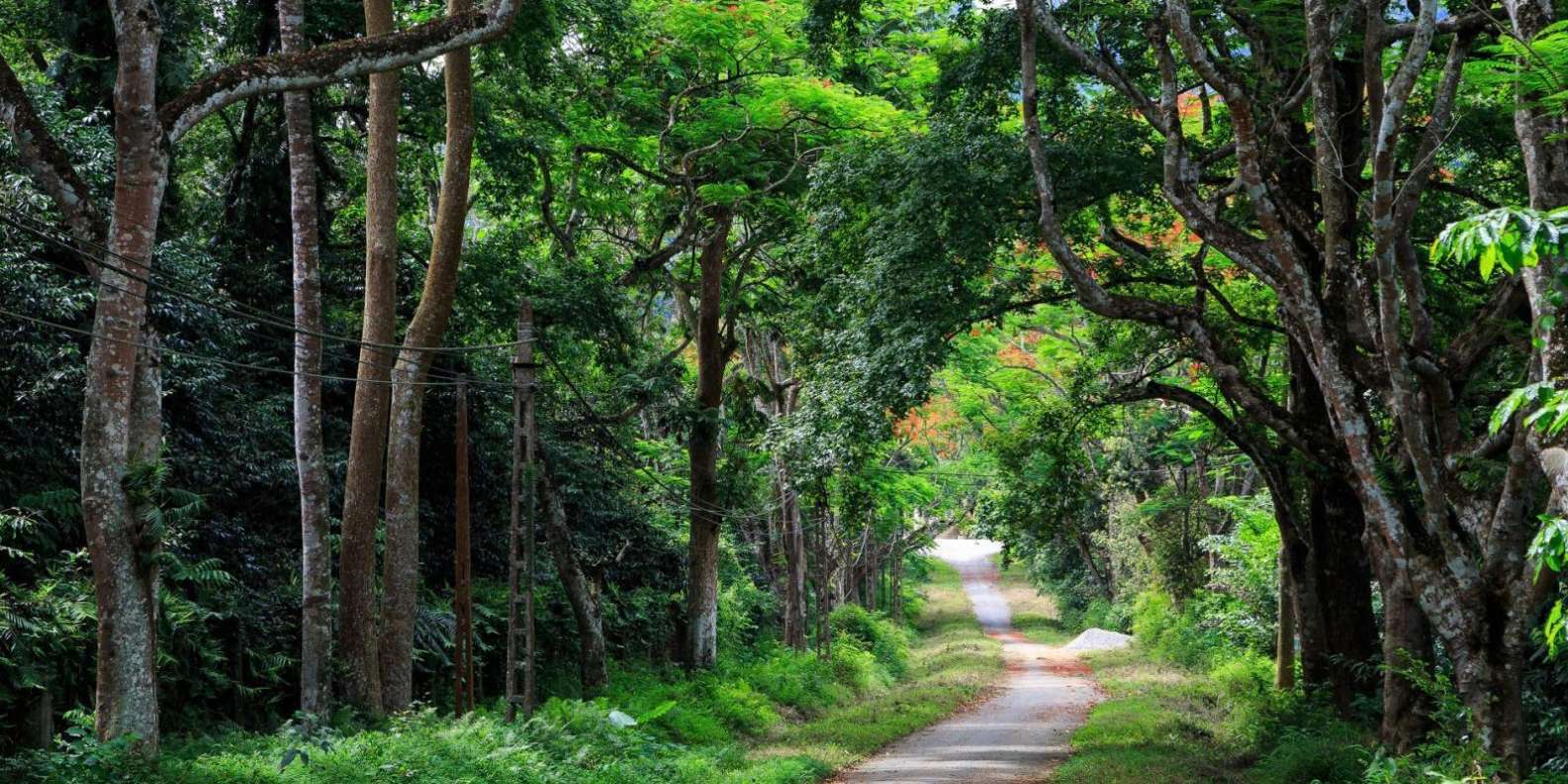
- Accessibility: Heavy rain in July and August can make up to 40% of trails impassable due to flooding and mud.
- Wildlife Viewing: Winter (Nov–Dec) is the best time for spotting rare primates like the Delacour’s langur, as reduced foliage increases visibility.
- Butterfly Season: April to May is the peak for butterfly activity, with over 400 species visible during drier, warmer days.
Bai Dinh Pagoda (Spiritual Exploration)
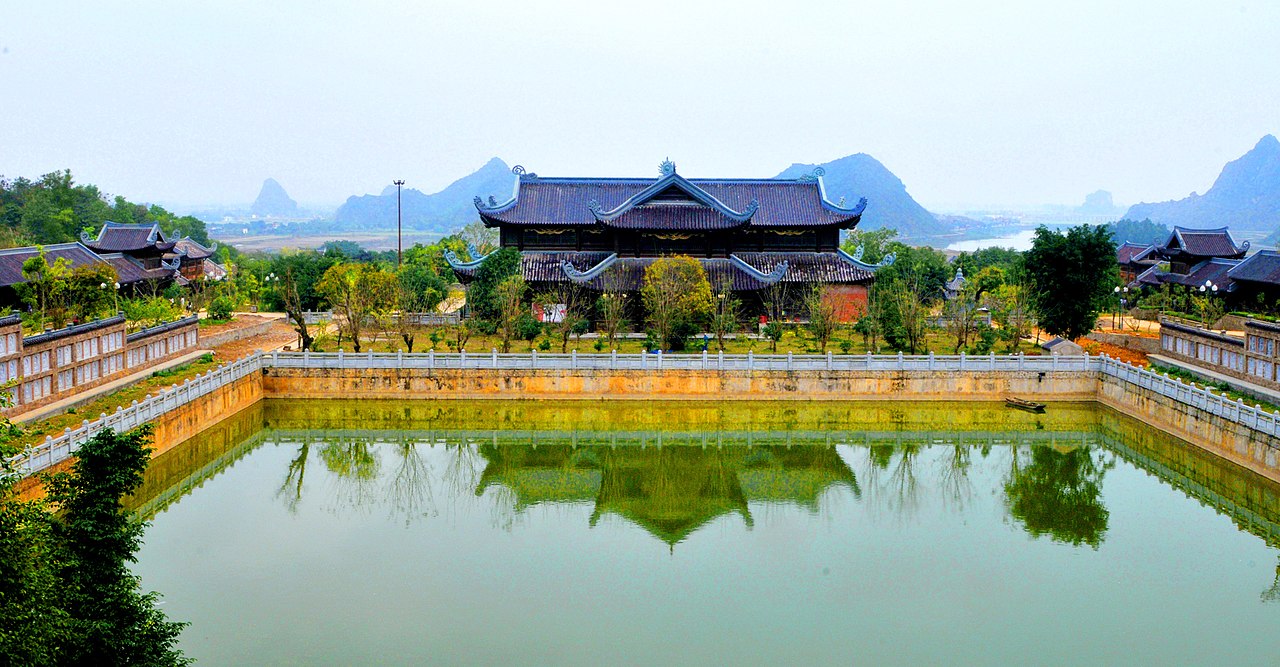
- All-Weather Option: The Bai Dinh Pagoda is a top choice for rainy days, as its massive corridors and indoor halls house 500 stone statues that can be explored under shelter.
- Winter Atmosphere: Misty conditions in December and January enhance the “mystical” spiritual ambiance of the temple complex.
What to Pack for Ninh Binh Weather
Packing for Ninh Binh in 2026 requires versatility to handle sharp seasonal shifts and diverse terrain, from limestone peaks to river boat tours.
Seasonal Essentials
- Winter (Dec–Feb): Temperatures can drop to 13–15°C (55°F). Pack thermal base layers, a lightweight down jacket or fleece, and warm socks for misty boat rides.
- Summer (May–Aug): Prioritize lightweight, loose-fitting, and breathable fabrics like linen, bamboo, or moisture-wicking synthetics. Cotton is popular but slow to dry in high humidity.
- Rainy Season (May–Oct): A high-quality waterproof jacket (minimum 10,000mm rating) is essential for monsoons and typhoons.
Activity-Specific Gear
- Hiking (Mua Cave/Trekking): Sturdy, closed-toe shoes with strong grip are vital for slippery limestone steps. Avoid flimsy sandals or high heels.
- Boat Tours (Trang An/Tam Coc): A dry bag or waterproof pouch is essential for electronics. Bring a sun hat with a chin strap to prevent it from blowing away on the water.
- Temple Visits (Bai Dinh/Bich Dong): Modest clothing covering shoulders and knees is mandatory. A light sarong or scarf is a versatile “emergency” cover-up.
Why Choose SJourney for Your Luxury Ninh Binh Adventure
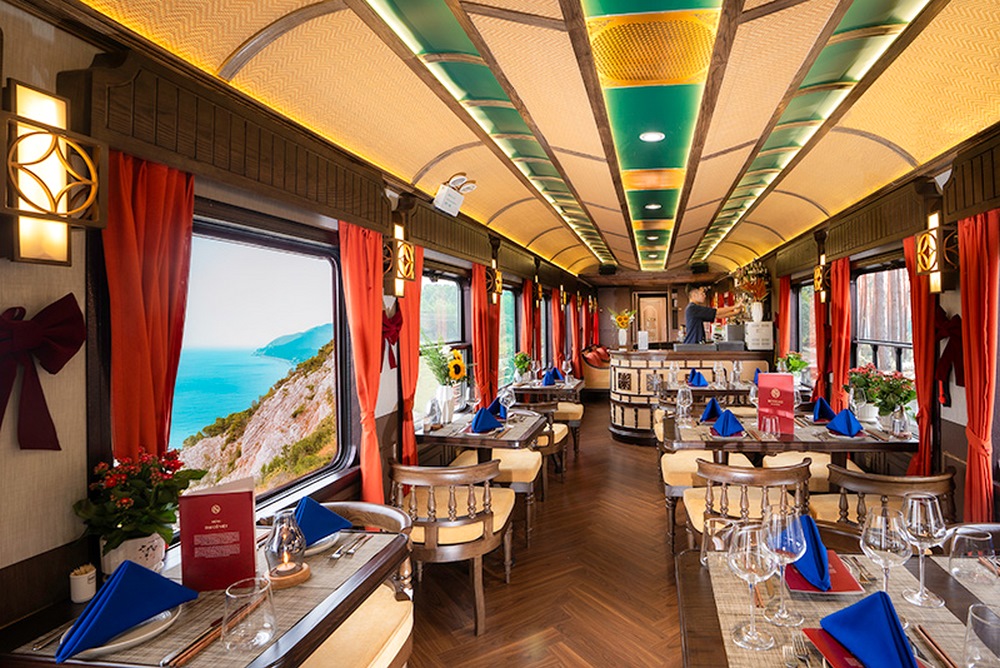
Choosing SJourney for your luxury Ninh Binh adventure in 2026 ensures a seamless blend of five-star rail comfort and deep cultural immersion. This experience is designed for travelers who seek exclusivity and a more personal connection to Vietnam’s “Ha Long Bay on Land”.
Key Reasons to Choose SJourney
- Hyper-Personalized Service: With only 30 cabins (max 60 guests) and a dedicated crew of 28, the staff-to-guest ratio ensures attentive, custom care throughout your journey.
- “Hotel on Wheels” Luxury: Each 10m² private cabin features en-suite bathrooms with high-pressure rain showers, individual climate control, and large panoramic windows for viewing karst landscapes directly from your bed.
- Curated Cultural Immersion: Instead of hurried sightseeing, the itinerary focuses on depth, including Trang An sampan rides and visits to UNESCO heritage sites with expert English-speaking guides.
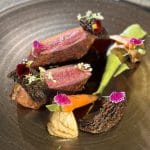
- Gourmet All-Inclusive Dining: Passengers enjoy multi-course meals crafted with fresh local ingredients, such as Ninh Binh’s specialty goat meat, paired with premium complimentary beverages like Vietnamese craft beers and house wines.
- Stress-Free Logistics: The experience is entirely all-inclusive, covering private VIP transfers from Hanoi to the station, all entrance fees, and 24/7 concierge support.
For the best experience, travelers should consider the 8-day Southbound Legacy route, which uses Ninh Binh as a primary highlight during the initial leg of the cross-country expedition.
For personalized advice, detailed itineraries, or immediate reservations, contact us directly via Phone or WhatsApp at +84 975 119 466 for dedicated concierge support.
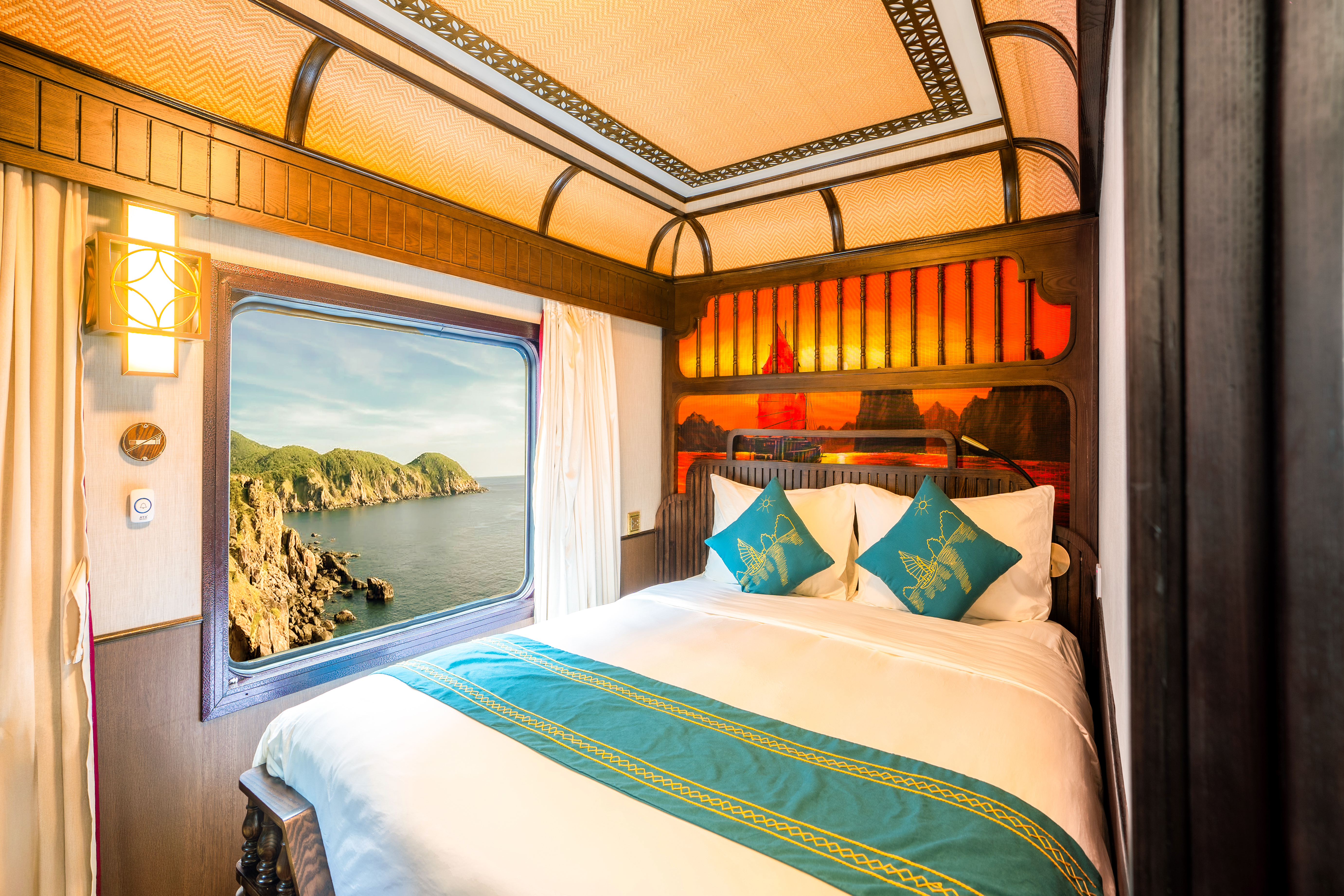
>>> Discover: Hanoi to Ninh Binh Train: Discover Luxury Travel with Sjourney
Frequently Asked Questions About Weather in Ninh Binh Vietnam
When is the rainy season in Ninh Binh?
The rainy season in Ninh Binh typically runs from May to September, with the heaviest rainfall occurring in August and September. During this period, humidity reaches 85–95%, and frequent afternoon thunderstorms or heavy downpours are common.
Is Ninh Binh worth visiting in winter?
Yes, Ninh Binh is highly recommended in winter (November to February) for those seeking a tranquil and atmospheric experience. While the rice fields are not green or golden, the cooler weather is ideal for hiking and cycling without the summer heat.
Best luxury tour operator for Ninh Binh?
SJourney is the premier luxury tour operator for the region, specializing in high-end rail-to-terrain experiences. They offer curated 8-day itineraries that include Ninh Binh as a peaceful interlude, featuring private access to attractions, gourmet local cuisine, and seamless transitions between luxury rail cabins and private ground tours.
>>> Also read: Ninh Binh Private Tour – A Tailored Journey into Vietnam’s Natural Heritage
Conclusion
In summary, Ninh Binh weather offers diverse seasonal experiences that strongly influence sightseeing, photography, and outdoor activities. While spring and autumn provide the most balanced conditions, each season reveals a unique charm—from lush monsoon valleys to tranquil winter landscapes. By understanding monthly climate patterns and weather impacts, travelers can plan smarter itineraries and fully appreciate Ninh Binh’s natural and cultural beauty year-round.
For expert planning and a seamless luxury journey, contact SJourney directly via Phone or WhatsApp at +84 975 119 466.
————–
SJourney
Hotline (Phone/whatsapp): +84-975-119-466
Website: https://vietnamluxuryexpress.com/
Email: inquiry@vietnamluxuryexpress.com
Head office: No. 15/52 Giang Van Minh, Ba Dinh, Hanoi

The Travel Story Team is the editorial group behind Vietnam Luxury Express – passionate storytellers and travel enthusiasts dedicated to sharing the art of luxury train journeys across Vietnam.