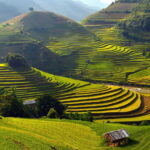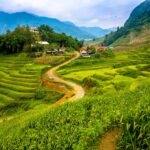
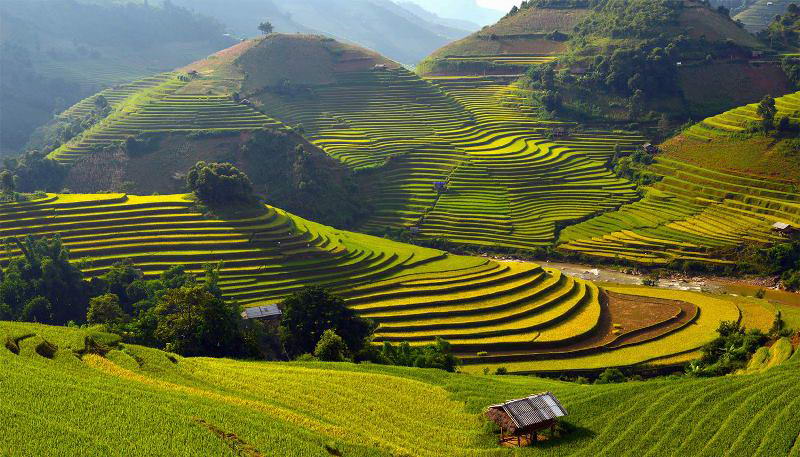
Hidden within the breathtaking Muong Hoa Valley, Lao Chai village is one of the most captivating destinations in northern Vietnam. Surrounded by the majestic Hoang Lien Son Mountains and overlooking extensive terraced rice fields, the village offers a rare glimpse into a way of life deeply rooted in tradition.
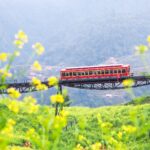
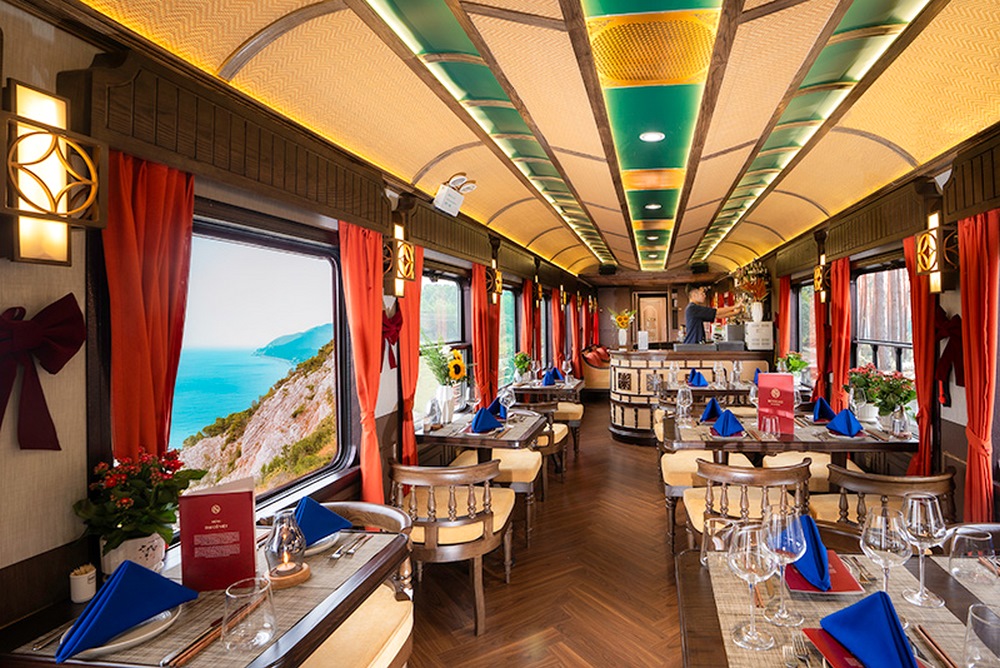
For travelers seeking authenticity beyond the usual tourist paths, Lao Chai Village is more than a scenic stop, it is a journey into culture, nature, and human connection. When paired with a refined rail experience to Sa Pa, the visit becomes part of a larger narrative, one that unfolds gradually through landscapes and local stories.
1. Geography and People in Lao Chai Village
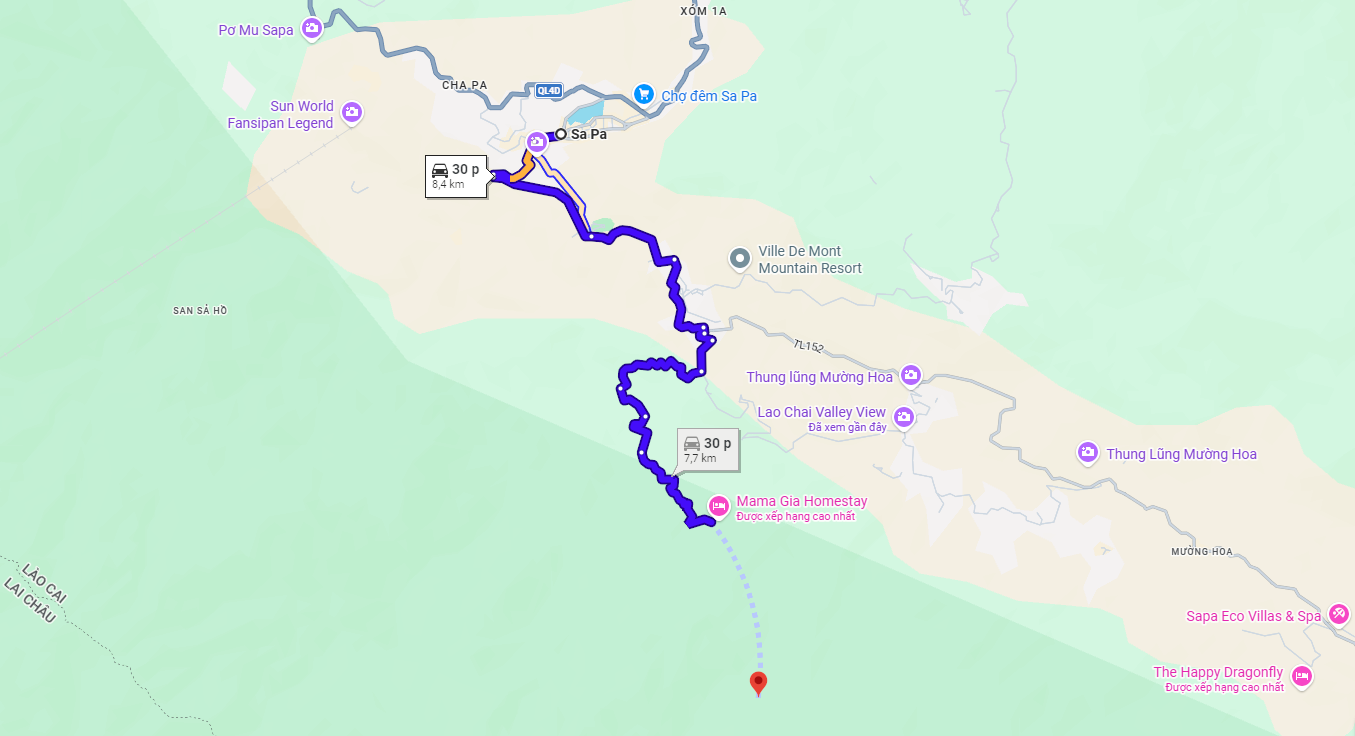
Located approximately 7 to 12 kilometers southeast of Sa Pa, Lao Chai village lies at the heart of the Muong Hoa Valley—one of the most picturesque valleys in Vietnam.
The village is home primarily to the Black H’Mong people, alongside smaller communities of Red Dao and Giay ethnic groups. Each group brings its own traditions, clothing styles, and cultural practices, creating a vibrant and diverse cultural landscape.
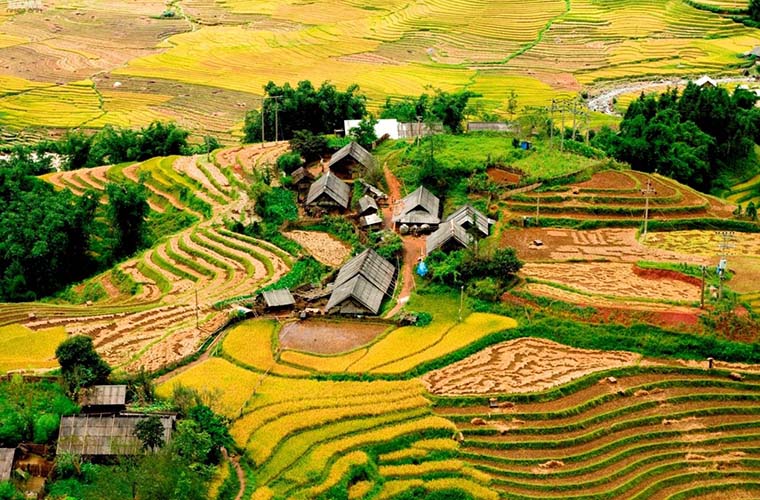
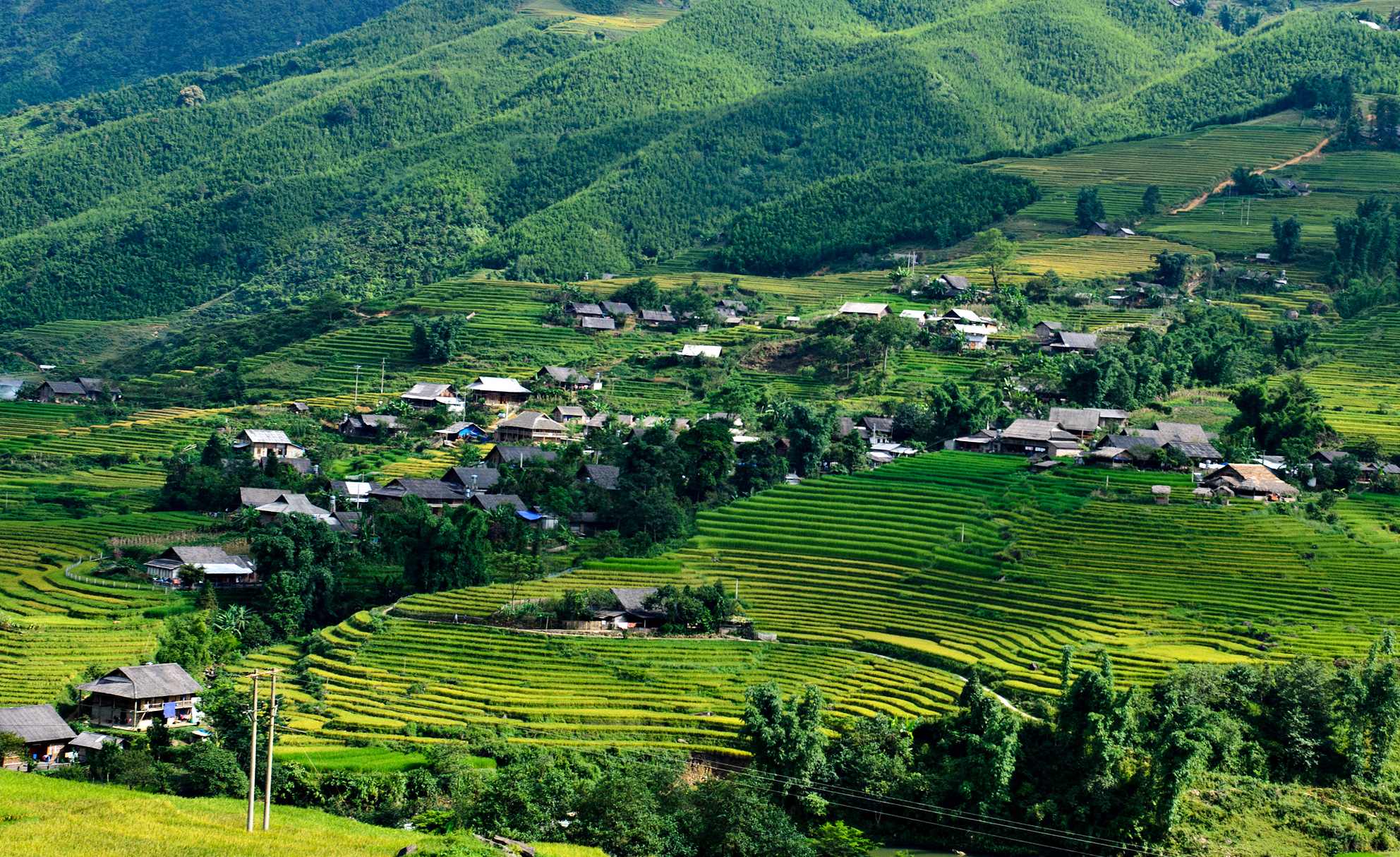
What sets Lao Chai Village apart is its harmony with nature. Wooden homes are scattered along the hillsides, carefully positioned among terraced rice fields that cascade down the valley. These terraces, carved over generations, are not only a source of livelihood but also a defining feature of the region’s identity.
Life here follows the rhythm of the seasons – planting, harvesting, and celebrating – offering visitors a chance to witness a slower, more intentional way of living.
2. Reaching Lao Chai Village: A Journey Through the Valley
Trekking
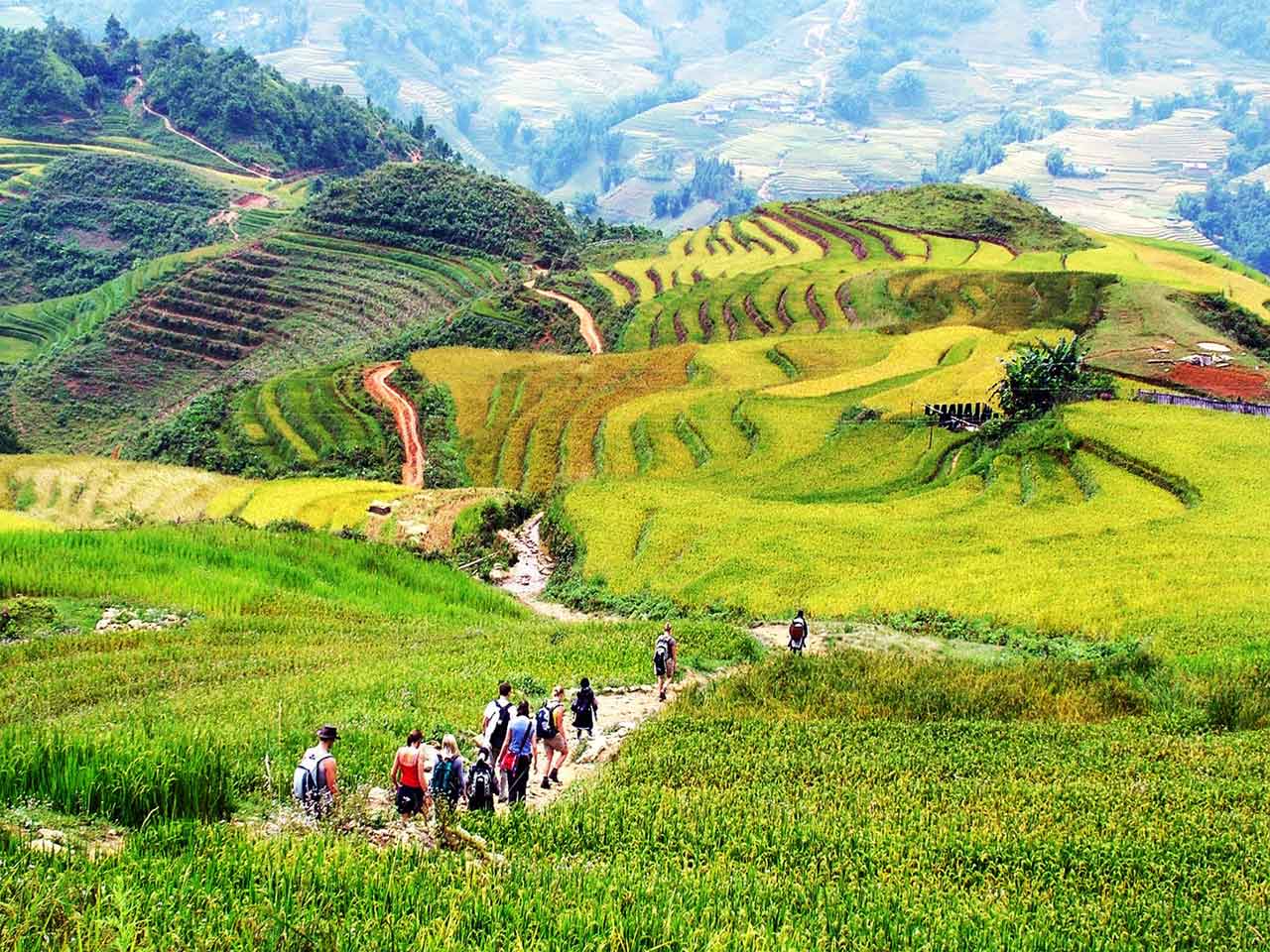
The most popular way to visit is by trekking from Sa Pa. The journey typically takes 2 to 4 hours and passes through scenic routes such as Y Linh Ho before arriving in Lao Chai.
This route allows travelers to fully immerse themselves in the landscape, with panoramic views of rice terraces, valleys, and distant mountain peaks.
Motorbike or Bicycle
For those seeking flexibility, renting a motorbike or bicycle is a convenient option. The roads leading to Lao Chai offer stunning viewpoints, though they can be steep and winding.
Taxi or Electric Car
Travelers prioritizing comfort can opt for a taxi or electric car, which takes around 20–30 minutes from Sapa town. This is ideal for families or those with limited time.
No matter how you choose to travel, the journey to Lao Chai village is as rewarding as the destination itself.
3. When Lao Chai Village is at Its Most Beautiful?
March to May – Green Season
Spring brings fresh greenery and blooming flowers. The rice terraces begin to fill with water, reflecting the sky and creating mirror-like landscapes. The weather is mild, making it perfect for trekking.
September to October – Golden Harvest Season
This is widely considered the most beautiful time to visit. The terraces turn a rich golden color as the rice ripens, creating a stunning “sea of gold” across the valley.
December to February – Misty Winter
Winter transforms the village into a dreamy, mist-covered landscape. While temperatures drop, the fog adds a mysterious charm, and on rare occasions, frost or even snow can appear on higher peaks.
Each season offers a different perspective, but for photography and outdoor exploration, autumn remains the highlight.
4. Signature Experiences in Lao Chai Village
4.1. Walking Through Layers of Terraced Rice Fields
The terraced fields of Lao Chai village are among the most iconic landscapes in Vietnam. Stretching across hillsides in layered formations, they reflect both natural beauty and human ingenuity.
Walking through these terraces offers a unique perspective—you are not just observing the landscape, but moving within it. Depending on the season, the fields shift from shimmering water surfaces to vibrant green, and finally to golden waves ready for harvest.
4.2. Living the Mountain Rhythm in a Local Homestay
One of the most meaningful ways to experience Lao Chai village is by staying overnight in a traditional homestay. These wooden houses, often built on stilts, provide a cozy and authentic environment. Guests can:
- Share home-cooked meals with local families
- Learn about daily routines and traditions
- Enjoy quiet evenings surrounded by nature
This experience goes beyond accommodation—it creates a genuine connection between travelers and hosts.
4.3. Discovering Culture Through Local Markets
Local markets near Lao Chai village are vibrant spaces where culture comes to life. Here, you will find:
- Handmade brocade textiles
- Traditional clothing and accessories
- Fresh produce and local ingredients
Markets are not just trade places—they are social gatherings where people from different villages come together, dressed in colorful traditional attire.
4.4. Experiencing Traditional Festivals Up Close
If your visit coincides with traditional festivals, you will have the opportunity to witness the rich cultural heritage of the region. One notable event is the Roong Poc festival of the Giay people, held in early spring.
4.5. Tasting the Flavors of the Highlands
The cuisine in Lao Chai village reflects the simplicity and richness of mountain life. Some must-try dishes include:
- Smoked buffalo meat
- “Cap nach” pork (free-range mountain pork)
- Thang Co (a traditional stew)
- Five-colored sticky rice
- Corn wine
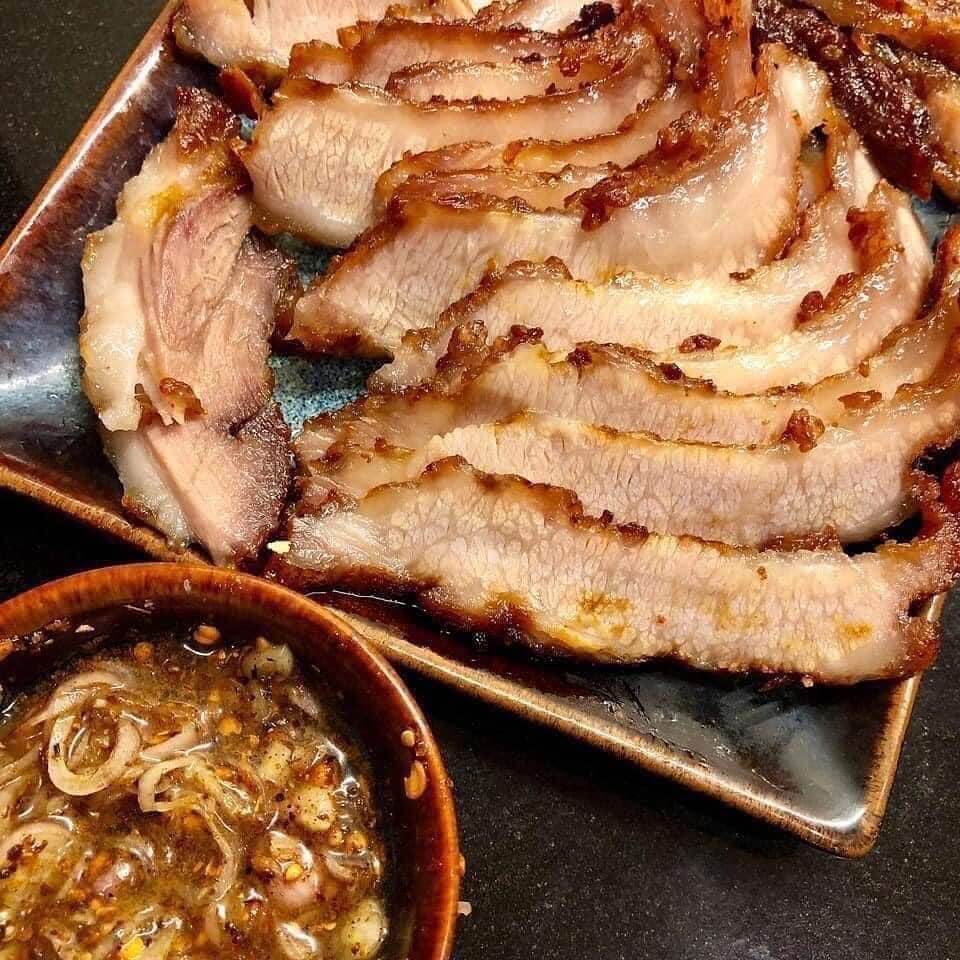
Cap Nach Pork
5. Beyond Lao Chai Village: Nearby Highlights to Explore
Exploring Lao Chai village also opens the door to nearby attractions that enhance your Sapa journey.
- Ta Van Village: Known for its peaceful atmosphere and diverse ethnic communities
- Muong Hoa Valley: A scenic valley famous for its terraced landscapes and ancient rock carvings
- Fansipan: The highest peak in Indochina, accessible via cable car
- Cat Cat Village: A popular cultural village closer to Sapa town
These destinations can be combined into a multi-day itinerary, allowing travelers to fully experience the region’s diversity.
6. Travel Tips for a Seamless Lao Chai Village Experience
To make the most of your visit to Lao Chai village, consider the following tips:
- Start early: Morning visits offer clearer views and fewer crowds
- Wear comfortable shoes: Trekking paths can be uneven and slippery
- Bring cash: Many local vendors do not accept cards
- Respect local culture: Always ask before taking photos of people
- Check the weather: Conditions can change quickly in the mountains
Entrance fees are typically around 75,000 VND for adults and may vary depending on the season.
FAQ about Lao Chai Village
What is Lao Chai Village known for?
Lao Chai Village is known for its breathtaking terraced rice fields, traditional Hmong culture, and peaceful rural landscapes. It is one of the most popular trekking destinations in Sapa.
What is the best time to visit Lao Chai Village?
The best time to visit is from September to October during the rice harvest season, or from May to June when the terraces are filled with water, creating stunning reflections.
Is Lao Chai Village included in the SJourney itinerary?
Yes, Lao Chai Village is included in SJourney’s Hanoi – Sapa itinerary. Guests can explore the village as part of curated cultural excursions, experiencing local life and the natural beauty of the Muong Hoa Valley.
Conclusion
Lao Chai village stands as one of the most beautiful and culturally rich destinations in northern Vietnam. With its sweeping rice terraces, welcoming communities, and immersive experiences, it invites travelers to slow down and engage with the world in a more meaningful way.
Whether you come for the landscapes, the culture, or the quiet moments in between, Lao Chai Village leaves a lasting impression – one that continues long after the journey ends.
————–
SJourney
Hotline (Phone/whatsapp): +84-975-119-466
Email: inquiry@vietnamluxuryexpress.com
Head office: No. 15/52 Giang Van Minh, Ba Dinh, Hanoi
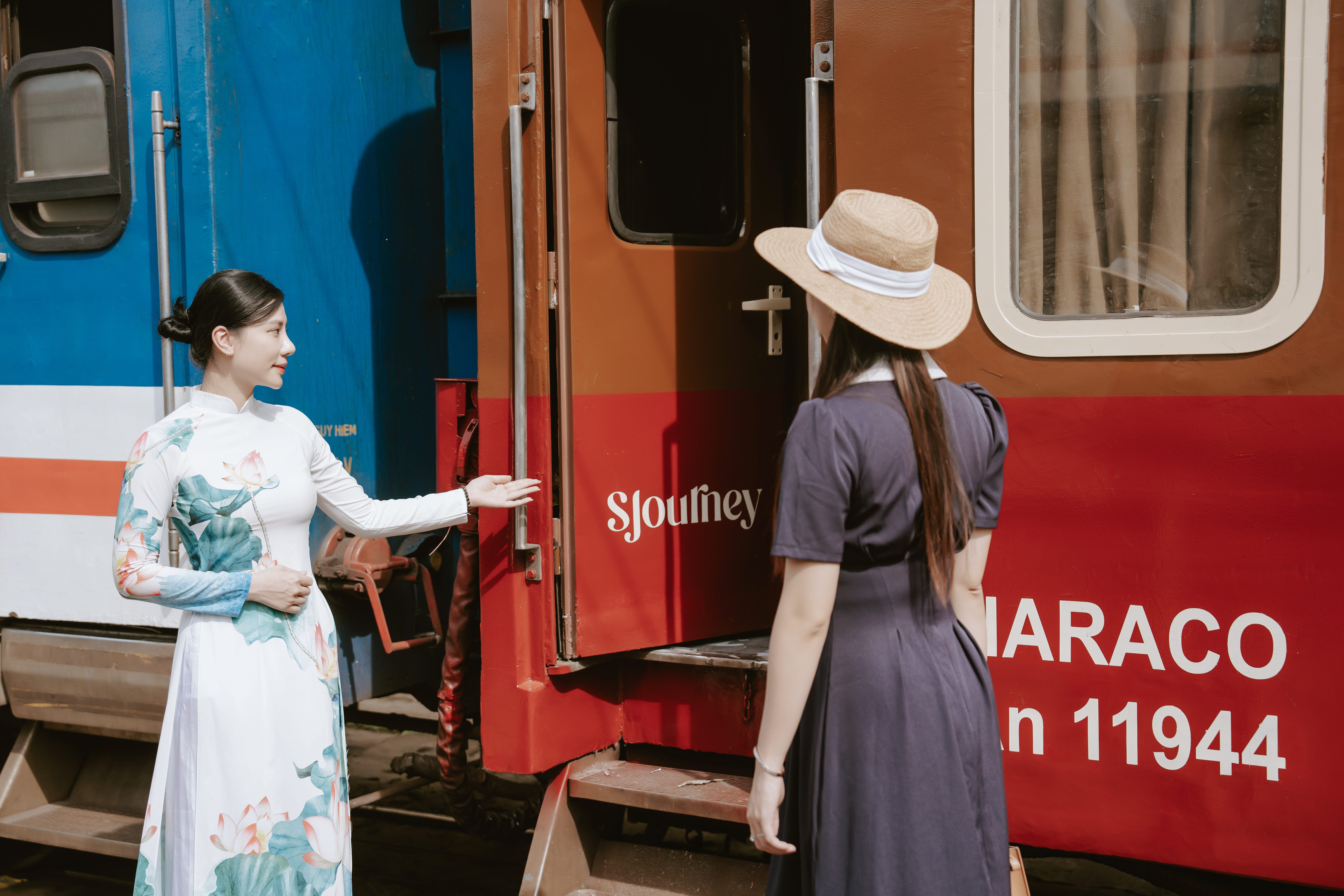
The Travel Story Team is the editorial group behind Vietnam Luxury Express — passionate storytellers and travel enthusiasts dedicated to sharing the art of luxury train journeys across Vietnam.