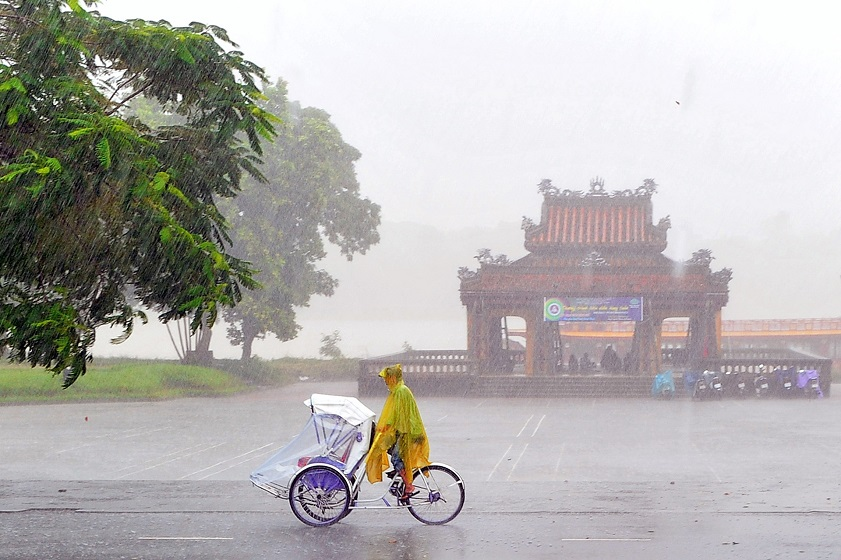
Planning a trip to the imperial capital of Vietnam requires a deep understanding of Hue Vietnam weather. Unlike the distinct four seasons of the north or the consistent tropical warmth of the south, Hue possesses a unique, transitional climate. Hemmed in by the Truong Son Mountains and influenced by the East Sea, Hue’s weather is famous for its misty mornings, intense summer sun, and romantic, lingering rains.
1. Understanding Hue’s Unique Climate
Hue’s climate is classified as tropical monsoon, but it is heavily shaped by its geography. Situated on the North Central Coast, the city is frequently shielded from northern cold fronts by the Ngang Pass and buffered from southern heat by the Hai Van Pass. This results in a climate that is often “damp and cool” in winter and “scorching” in summer.
The Two Main Seasons
- Dry Season (roughly February – August): Characterized by increasing temperatures and decreasing rainfall. This is the peak time for outdoor exploration of royal tombs and the Citadel.
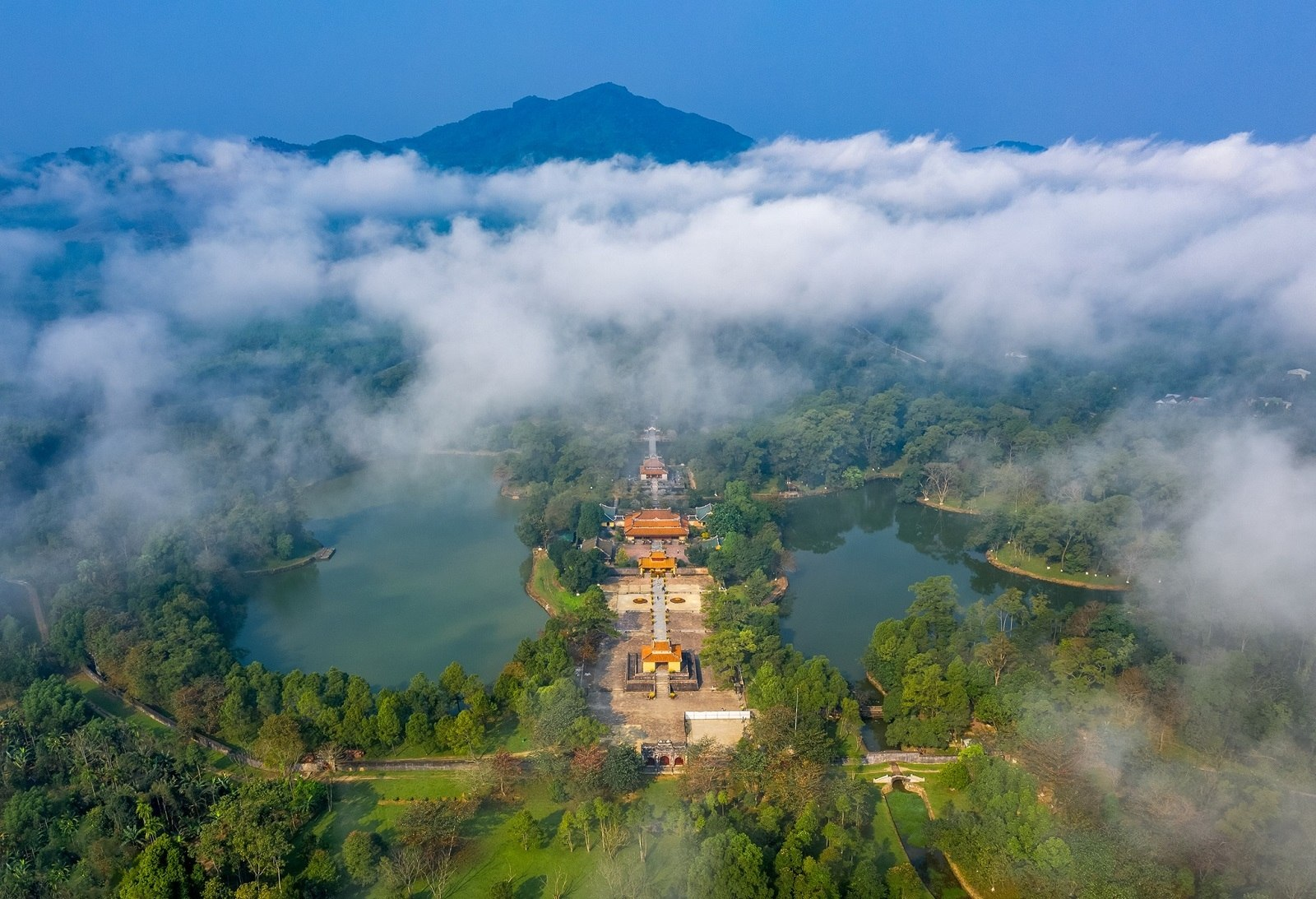
- Rainy Season (roughly September – January): Defined by higher humidity and significant precipitation. While often avoided, this season brings a “misty, romantic” atmosphere that photographers and culture enthusiasts often adore.
2. Best Time to Visit Hue in 2026
Choosing the “best” time depends on your travel goals—whether you want to attend grand festivals, lounge on white-sand beaches, or avoid the crowds.
Ideal Window: February to April
This is widely considered the best time to visit Hue. Temperatures range from a comfortable 20°C to 26°C (68°F–79°F). Humidity is at its annual low, and the spring blossoms create a vibrant backdrop for the Hue Festival 2026 events starting in late March.
For Beach Enthusiasts: May to August
If your itinerary includes Lang Co Beach or Thuan An Beach, this is your window. Expect clear blue skies and bright sunshine, though temperatures can peak at a scorching 38°C–40°C. Plan outdoor tomb visits for early morning or late afternoon to avoid the midday heat.
For Budget Travelers: September to November
Known as the “Green Season,” this period sees lower hotel rates and fewer tourists. While rain is frequent, the city takes on a poetic, quiet charm. Flexibility is key here, as October and November are the peak months for heavy rainfall and potential flooding.
3. Hue Weather by Month: A 2026 Forecast & Guide
| Month | Avg Temp (°C) | Rain Level | Best For… |
| January | 18–22°C | Light/Mist | Photography & Tet Atmosphere |
| February | 20–24°C | Low | Sightseeing & Lunar New Year |
| March | 22–28°C | Very Low | Hue Festival 2026 Opening |
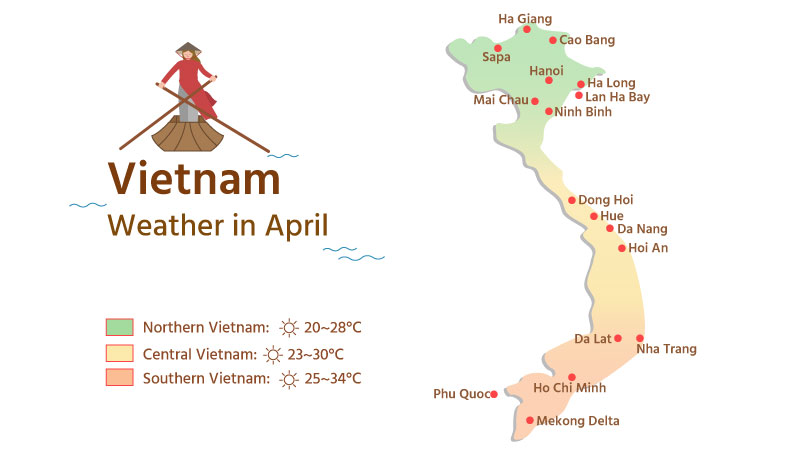
| April | 24–31°C | Low | Flowers & Vibrant Skies |
| May | 27–33°C | Moderate | Early summer beach trips |
| June | 28–35°C | Low | National Costume Parade |
| July | 29–36°C | Moderate | Beach vacations & Water festivals |
| August | 28–35°C | High | Late summer retreats |
| September | 26–32°C | Very High | Mid-Autumn Festival (Rainy) |
| October | 24–29°C | Peak | Budget travel (Moody vibe) |
| November | 22–27°C | High | Post-rain lush scenery |
| December | 19–24°C | Moderate | Cozy culture & End-of-year events |
4. Seasonal Deep Dive: Dry vs. Rainy Season
Dry Season (Feb – Aug)
- The Experience: Long daylight hours (up to 14 hours in June/July) provide ample time to explore the 162-hectare Hue Imperial City.
- Pro Tip: From May to August, the “Laos wind” (dry, hot westerly wind) can make the heat feel more intense. Seek out air-conditioned rest stations recently installed at the Citadel for 2026.
Rainy Season (Sept – Jan)
- The Experience: Hue’s rain isn’t just a shower; it can be a “lingering drizzle” that lasts for days. This creates the “Hue sadness”—a romantic, contemplative atmosphere beloved by poets.
- 2026 Improvements: Significant drainage upgrades in the tourist district and new covered walkways at major royal tombs make visiting during the rainy season more convenient than in previous years.
5. Essential Travel Tips Based on Hue Vietnam Weather
Hue’s weather is distinct from northern and southern Vietnam, characterized by a long rainy season and intense summer heat. Based on the 2026 climate outlook, here are five essential travel tips:
1. Plan Around the Two Drastic Seasons
- Dry Season (March – August): Expect intense heat, especially from June to August, where temperatures can exceed 35°C (95°F). Sightsee between 6:00 AM and 9:00 AM and retreat to shaded cafes or hotels with pools during the midday peak (11:00 AM – 3:00 PM).
- Rainy Season (September – January): Prepare for frequent downpours and potential flooding, particularly in October and November. Use the Vietnam Disaster Monitoring app for real-time flood and storm alerts.
2. Pack Specialized Gear for “Hue Rain”
Hue’s rain can be persistent. Beyond a basic umbrella, you should bring:
- Quick-dry clothing and a high-quality packable rain poncho rather than a heavy raincoat, as the humidity remains high even when it rains.
- Waterproof phone cases (IPX8 rated) and dry bags for electronics to protect them during sudden tropical deluges.
- Anti-slip footwear is critical, as historical sites like the Imperial City have stone pathways that become extremely slippery when wet.
3. Dress for Both Climate and Culture
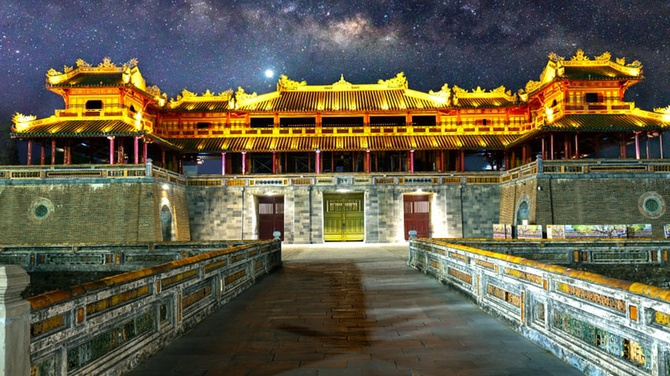
- Modesty at Heritage Sites: Regardless of the heat, you must cover your shoulders and knees to enter the Imperial City and Royal Tombs. Carry a lightweight sarong or shawl to quickly cover up before entering sacred areas.
- Cooler Winter Months: If visiting from December to February, temperatures can drop to 15°C (59°F). Pack light layers and a sweater for chilly evenings.
>>> Read more: Discover Top Hue Tourist Attractions in 2026: The Ultimate Travel Guide
Elevating Your Journey: The Hue Luxury Train Experience
For travelers visiting during the National Tourism Year 2026, the journey to Hue is no longer just a transfer—it is a curated historical experience. As Hue’s weather shifts between the misty rains and the golden sun, the luxury rail connection between Da Nang and Hue offers a front-row seat to Central Vietnam’s most stunning landscapes from the comfort of a climate-controlled carriage.
The “Connecting Heritage” Experience
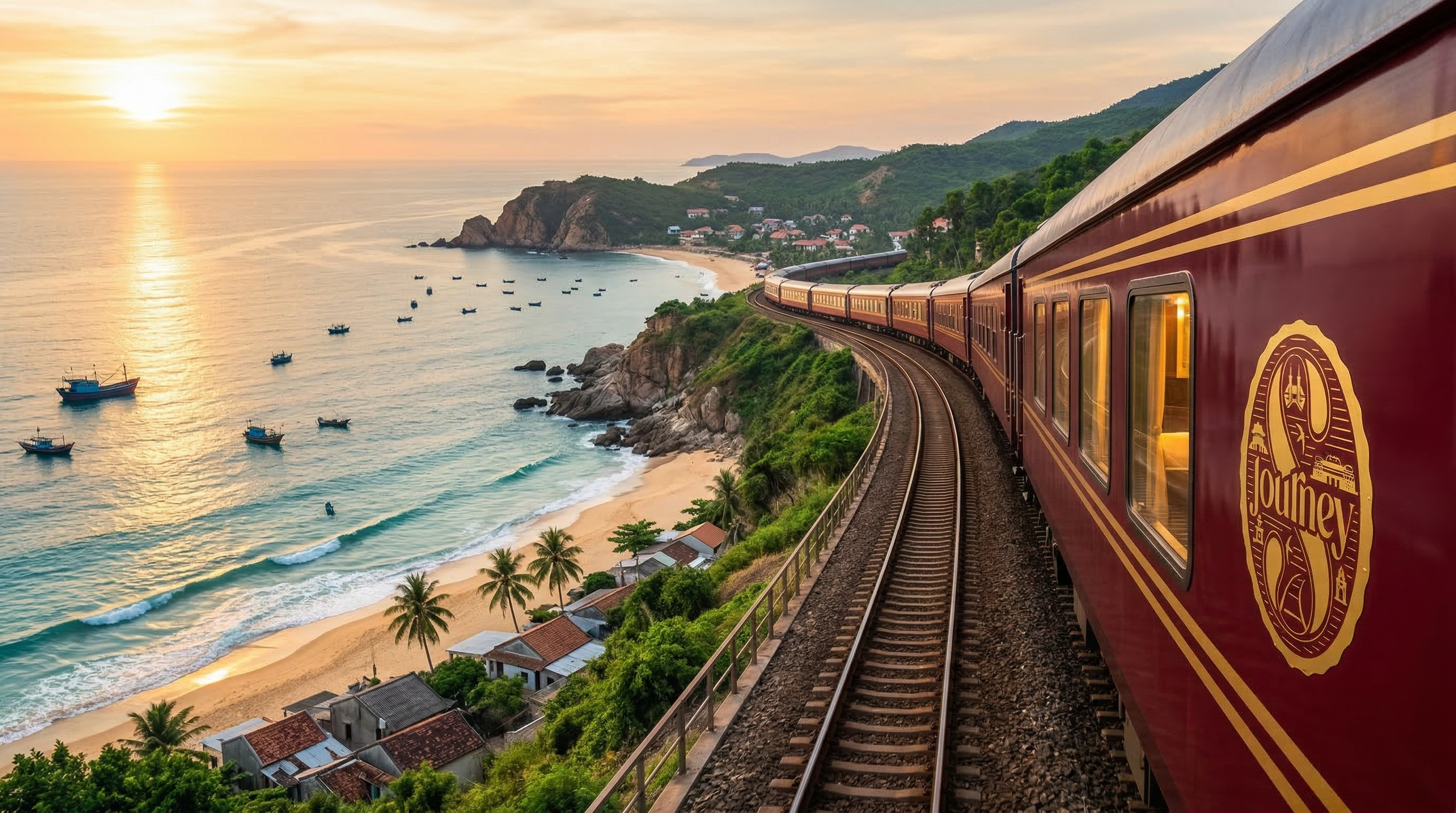
The newly launched heritage train route, often featured by Vietnam Luxury Express, navigates the legendary Hai Van Pass. This is widely considered one of the most beautiful railway stretches in the world.
- Weather-Proof Sightseeing: Whether it is the “scorching” summer heat of July or the “lingering drizzle” of November, the train allows you to witness the dramatic cliffs and hidden bays of the Lang Co coastline without being exposed to the elements.
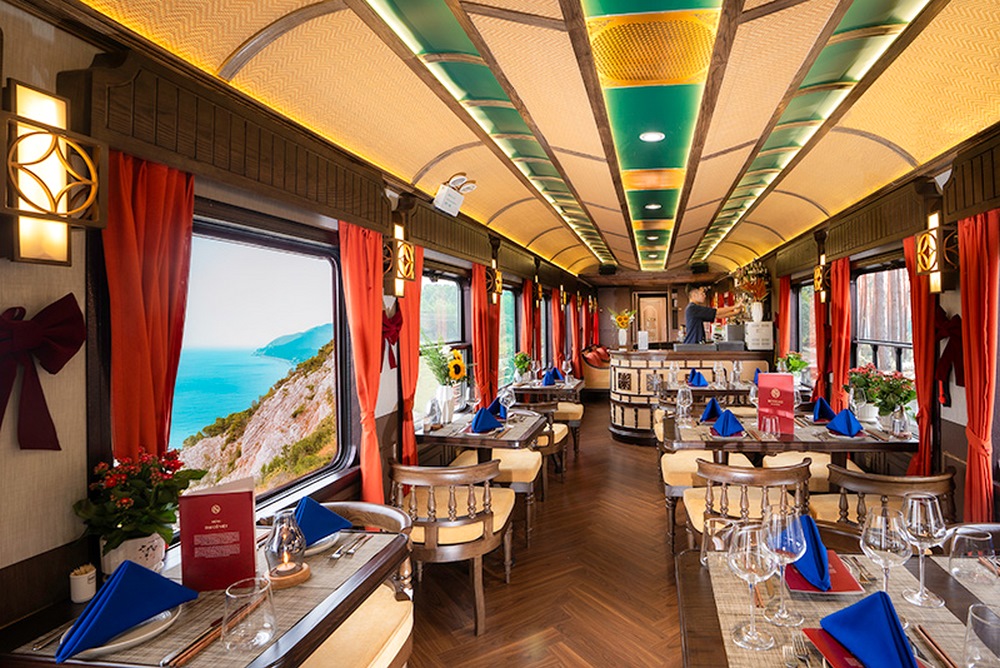
- Onboard Atmosphere: To match the royal vibe of the Citadel, these luxury carriages often feature Indochine-style interiors, gourmet local snacks, and traditional musical performances.
- The “Golden Hour” Route: We recommend booking the afternoon departure from Da Nang to Hue. If the skies are clear (typically February to August), you will witness a breathtaking sunset over the Tam Giang Lagoon just as you pull into the city.
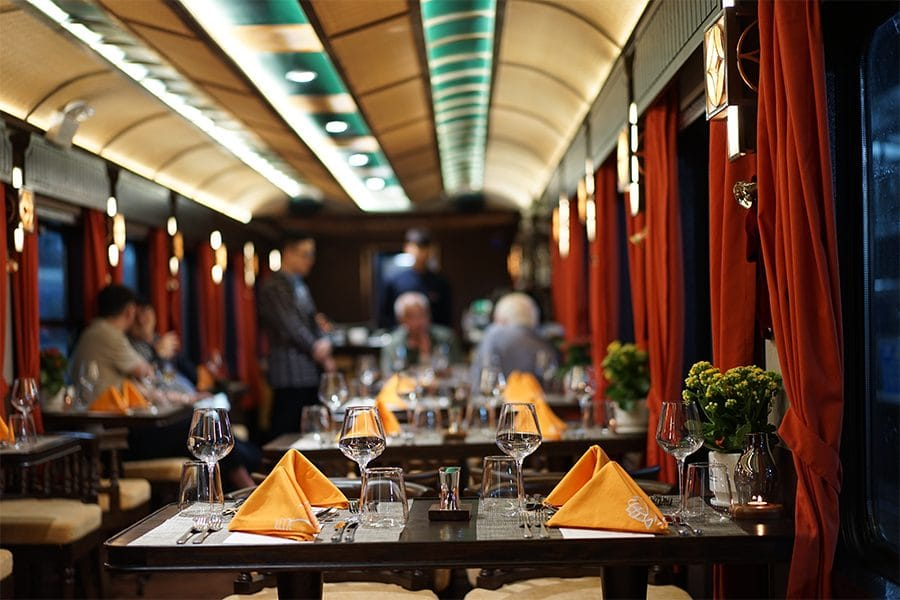
Why Choose the Luxury Train in 2026?
With the increased influx of tourists for the Hue Festival 2026, the mountain passes can become congested. The luxury train provides a punctual, stress-free alternative that bypasses road traffic, making it the most sophisticated way to transition between the modern energy of Da Nang and the timeless elegance of Hue.
Ready to experience the timeless elegance of Hue? Get in touch with our travel specialists today for real-time advice, luxury transport bookings, and personalized itineraries:Phone/WhatsApp: +84-975-119-466.
Top Frequent Ask Questions (FAQs) about Hue Vietnam weather
What is the best time to visit Hue?
February to April is ideal. The weather is mild (20-28°C), rainfall is low, and the city’s gardens are in full bloom.
The journey from Hanoi to Hue is not just about getting from one destination to another—it’s about immersing yourself in Vietnam’s natural beauty and heritage along the way. Rolling past mountains, coastlines, and historic regions, the train ride becomes part of the adventure itself. To explore this experience in more depth, you can read this guide: Hanoi to Hue train experience.
What is the coldest month in Hue Vietnam?
From December to January, temperatures can drop to 15°C (59°F). Combined with high humidity, it can feel much chillier than the numbers suggest.
When is the rainy season in Hue?
The peak rainy season is from September to December, with October and November seeing the highest risk of heavy storms and flooding.
Is it worth visiting Hue during the rainy season?
Yes, for “slow travel.” The city is quieter, cheaper, and the misty atmosphere at the Royal Tombs is incredibly photogenic, provided you have waterproof gear.
Conclusion
Mastering the nuances of Hue Vietnam weather allows you to experience the former capital at its most beautiful, whether under the golden summer sun or the poetic misty rains. By aligning your 2026 itinerary with these climatic patterns, you ensure a culturally rich and comfortable expedition. Prepare your gear and embrace the unique atmosphere of this historical gem, ensuring your visit to the imperial city is truly unforgettable.
For tailored itineraries and premium logistical support to make the most of your visit, please Contact Us today to consult with our local travel specialists.
————–
SJourney
Hotline (Phone/whatsapp): +84-975-119-466
Email: inquiry@vietnamluxuryexpress.com
Head office: No. 15/52 Giang Van Minh, Ba Dinh, Hanoi

The Travel Story Team is the editorial group behind Vietnam Luxury Express – passionate storytellers and travel enthusiasts dedicated to sharing the art of luxury train journeys across Vietnam.