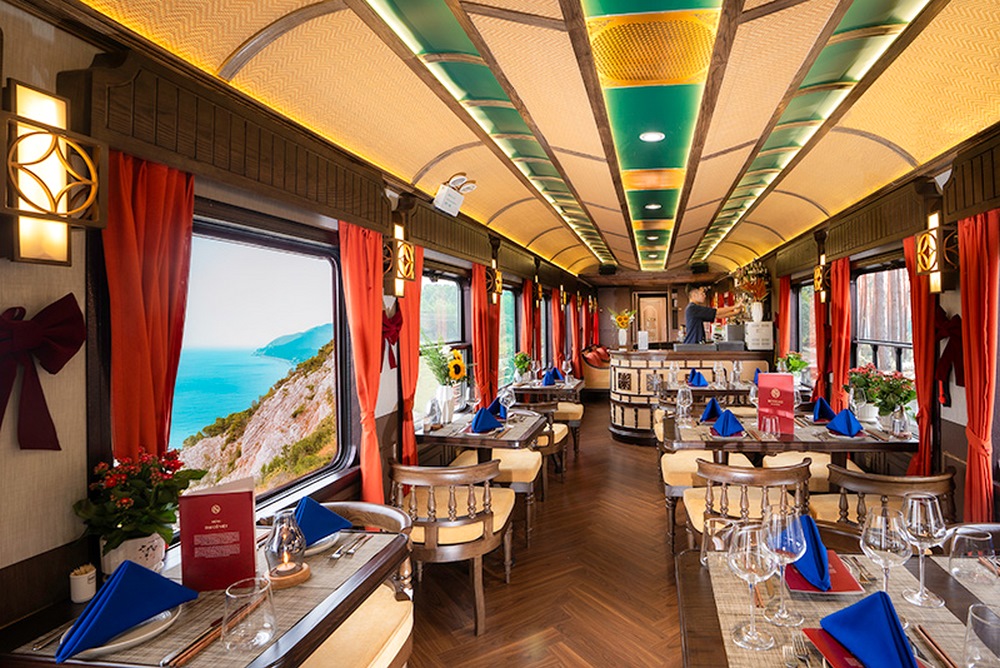
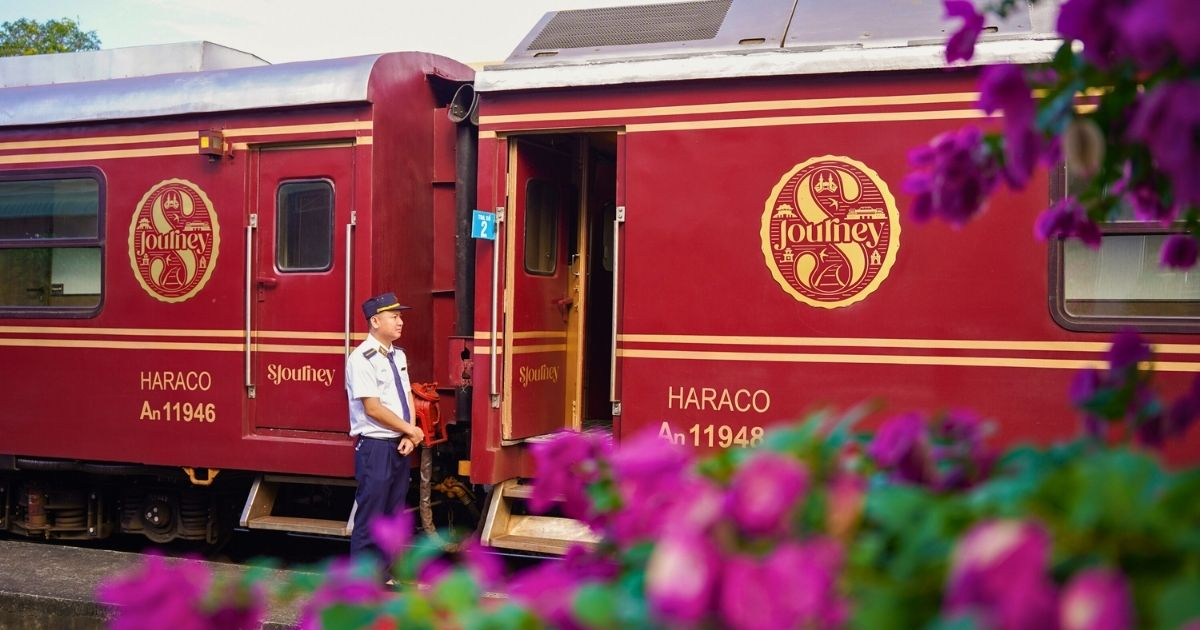
Traveling from Hue to Da Nang is one of the most iconic journeys in Central Vietnam, famous for its coastal scenery and the legendary Hai Van Pass. Whether you prefer speed, comfort, budget travel, or a scenic adventure, there are multiple transport options to suit every traveler. This guide provides a professional, up-to-date overview of distances, travel times, costs, and practical tips to help you choose the best way to go from Hue to Da Nang in 2026.
Hue to Da Nang Distance and Travel Time
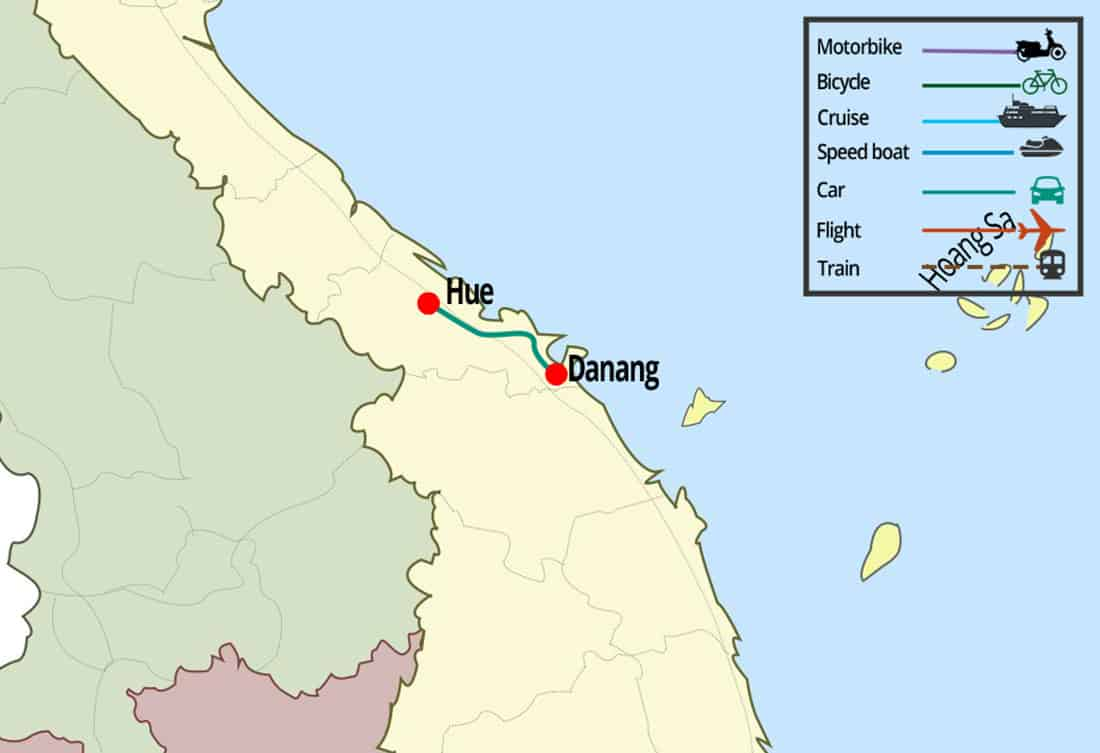
The distance between Hue and Da Nang is approximately 92 to 110 kilometers (57–68 miles). Travel time typically ranges from 1.5 to 4 hours, depending on your mode of transport and whether you choose the faster tunnel route or the scenic mountain pass.
Distance and Time by Transport Mode
Private Car or Taxi:
- Distance: ~93 km via the Hai Van Tunnel.
- Time: 1.5 to 2.5 hours.
- Best for: Speed and door-to-door convenience.
Train:
- Distance: ~103 km via the coastal rail line.
- Time: 1.5 to 3.5 hours.
- Best for: Scenic coastal views, especially around the Hai Van Pass.
Bus or Limousine Van:
- Distance: ~100 km.
- Time: 2.5 to 4 hours.
- Best for: Budget-friendly travel with frequent daily departures.
Motorbike:
- Distance: ~100 to 110 km depending on the route.
- Time: 3 to 5 hours (including stops).
- Best for: Adventure seekers wanting to ride over the Hai Van Pass.
2. Getting from Hue to Da Nang by Bus
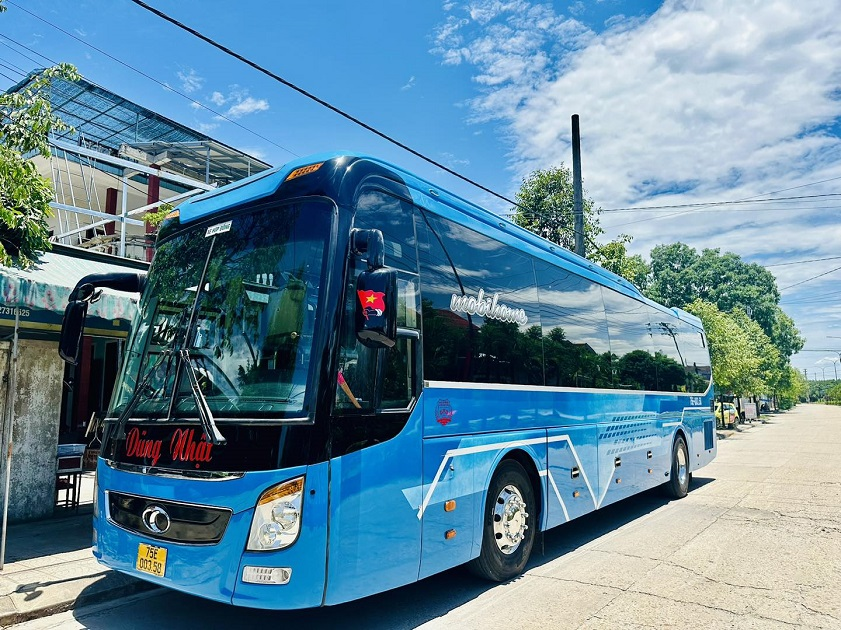
Bus travel from Hue to Da Nang is a popular and budget-friendly option, with journey times of 2-3 hours. A variety of bus types are available, from inexpensive public buses to luxurious limousines, with prices generally ranging from 70,000 VND to 500,000 VND.
Pros and Cons of Bus Travel
| Pros | Cons |
| Affordable: Bus travel is one of the cheapest ways to get between the two cities. | Less scenic route: Most buses go through the Hai Van Tunnel, missing the famous Hai Van Pass views (the train or private car goes over the pass). |
| Frequent departures: Especially for public buses, there are many daily trips, so you won’t wait long. | Potential delays: Travel time depends on traffic, and buses may stop frequently to pick up passengers. |
| Convenient booking: Tickets can be easily booked online or in person. | Language barrier: Drivers and staff on local buses may not speak English. |
| Amenities: Many tourist and limousine buses offer A/C, Wi-Fi, and comfortable, reclining seats. | Less flexibility: You cannot ask the driver to stop for spontaneous photo opportunities or sightseeing. |
Types of Buses
- Public Bus (Seater): The most affordable option, simple design, often crowded with locals. The journey takes around 2-3 hours and costs about 70,000–80,000 VND.
- Tourist Open Bus (Seater/Sleeper): A good balance of price and comfort for budget travelers. These often feature air conditioning and reclining seats and are widely available. Prices are around 100,000–150,000 VND for a seater bus and 150,000–250,000 VND for a sleeper bus.
- Limousine Bus (VIP Seater/Cabin): The most luxurious option, featuring high-quality leather, spacious reclining seats, and extra amenities like massage, phone charging ports, and water. These are faster (1.5-2.5 hours) and more expensive, ranging from 250,000 VND to 500,000 VND.
Sleeper buses (giường nằm) are generally for longer journeys but are available on this route, offering beds to lie down comfortably. Seater buses (ghế ngồi) are more common for this short, 100km distance.
How to Book Bus Tickets
You can book tickets using two main methods:
- Online Booking: This is convenient and recommended, especially during peak season. Use online booking platforms like redBus, Baolau, or 12Go.asia, or directly via the bus company’s website.
- In-Person Booking: You can buy tickets directly at the bus stations or the bus company’s local office. Many tourist buses also offer hotel pick-ups, so you can ask your accommodation’s reception for help with booking.
Pickup and Drop-off Locations
- Pickup in Hue:
- Public Bus: Hue Southern Bus Station.
- Tourist/Limousine Buses: Often from the operator’s office (e.g., Hanh Cafe at 28 Chu Van An, or offices in Phu Hoi Ward), or some offer hotel pick-ups.
- Drop-off in Da Nang:
- Public Bus: Da Nang City Central Bus Station.
- Tourist/Limousine Buses: Generally at the bus company’s office in Da Nang (e.g., 19 3/2 Street), or near the city center/specific drop-off points like the Museum of Cham Sculpture. Confirm the exact drop-off point when booking.
3. Traveling from Hue to Da Nang by Luxury Train
Traveling from Hue to Da Nang by luxury train is widely considered the most scenic and culturally rich way to experience Central Vietnam. Below is a comprehensive guide to planning your journey.
Why the Train from Hue to Da Nang is Highly Recommended
- The World’s Most Beautiful Route: This segment of the Reunification Railway winds through the Hai Van Pass, a spectacular mountain pass overlooking the East Vietnam Sea. Lonely Planet and other travel experts consistently rank this as one of the most beautiful rail journeys in Southeast Asia.
- Unique Sightseeing Stop: Unlike buses or cars that take the Hai Van Tunnel (which is faster but has no view), the train hugs the cliffs. The newer Heritage Tourist Trains (HD1 & HD3) even include a scheduled 10-minute stop at Lang Co Bay for photos and fresh air.
- Cultural Immersion: The luxury and tourist-focused carriages often feature traditional Vietnamese music, local snacks (like Hue salt coffee or Royal tea), and “community carriages” where travelers can interact and enjoy cultural performances.
2. Regular Reunification Express vs. Luxury/Tourist Trains
| Feature | Regular (SE Trains) | Heritage Tourist (HD Trains) | Private Luxury (Lotus/Livitrans) |
| Primary Goal | Functional transportation. | Scenic tourism & heritage. | High-end comfort & privacy. |
| Interior | Older, standard seating/beds. | Renovated, vintage-style decor. | 4-star hotel-style cabins. |
| Entertainment | None. | Live music & cultural displays. | Wi-Fi, snacks, and toiletries. |
| Sightseeing | View from window only. | 10-minute stop at Lang Co Bay. | View from window only. |
| Cost | Lowest ($5 – $10). | Mid-range ($12 – $15). | High-end ($20 – $75+). |
Pros and Cons of Luxury Train Travel
- Pros:
- Unmatched Views: You see cliffs and secluded beaches inaccessible by road.
- Reliability: Not affected by road traffic or mountain fog that can delay cars.
- Comfort: More legroom than buses; freedom to walk around and visit the bar or community car.
- Heritage Connection: A nostalgic experience that connects the history of the Imperial City (Hue) with modern Da Nang.
- Cons:
- Slower Speed: Takes about 3 to 3.5 hours compared to 2 hours by private car/bus.
- Limited Departure Times: Tourist-specific trains only run a few times a day.
- Luggage: While trains have space, it can be cumbersome to navigate stations with very heavy suitcases.
How to Book Train Tickets
Booking Steps on VietnamLuxuryExpress.com:
- Select Your Route: Navigate to the “Plan My Trip” or “The Journey” section.
- Submit a Request: Because these luxury cabins have limited availability, you often fill out a reservation form with your travel dates, number of passengers, and preferred cabin type.
- WhatsApp/Email Confirmation: SJourney typically provides personalized service. You can contact them directly via WhatsApp +84 975 119 466 for instant availability and payment links.
- Receive E-Ticket: Once paid, your e-ticket/voucher will be sent via email or WhatsApp. You simply show this on your phone at the Hue Train Station.
Recommended Berth/Seat Choices
- For the Best View (Hue to Da Nang): You must sit on the LEFT side of the train. This is the side that faces the ocean as you cross the Hai Van Pass.
- Seat Choice: In the HD Heritage trains, try to book seats in the middle of the carriage to avoid being too close to the doors/toilets. Look for “Soft Seats” which are the most common in these tourist carriages.
- Berth Choice: If you prefer more privacy or want to lie down, book a Soft Berth in a 4-berth cabin. Even though it’s a short trip, having a private cabin allows you to move freely to the corridor windows to take photos from both sides of the train.
>>> Discover: Vietnam Luxury Holiday: Guides for the Best Luxurious Adventure
4. Hue to Da Nang by Private Car, Taxi, or Tourist Car
Traveling from Hue to Da Nang is one of the most scenic journeys in Vietnam. While buses and trains are available, choosing a Private Car or Tourist Car is widely considered the best way to experience the famous Hai Van Pass at your own pace.
Below is a breakdown of the options, costs, and sightseeing highlights for 2026.
Pros and Cons of Private Transfer
| Feature | Pros | Cons |
| Flexibility | Choose your own departure time and door-to-door service. | Most expensive solo option. |
| Sightseeing | Ability to stop at Hai Van Pass, Lang Co Beach, and lagoons. | Longer travel time if stopping for views. |
| Comfort | Private AC vehicle, luggage space, and no crowded stations. | Requires booking at least a few hours ahead. |
Types of Vehicles and Cost Comparison
Prices are approximate for a one-way trip (~100km).
| Vehicle Type | Estimated Cost (VND) | Estimated Cost (USD) | Best For… |
| Shared Transfer | 180,000 – 300,000 | $7 – $12 | Solo budget travelers (no stops). |
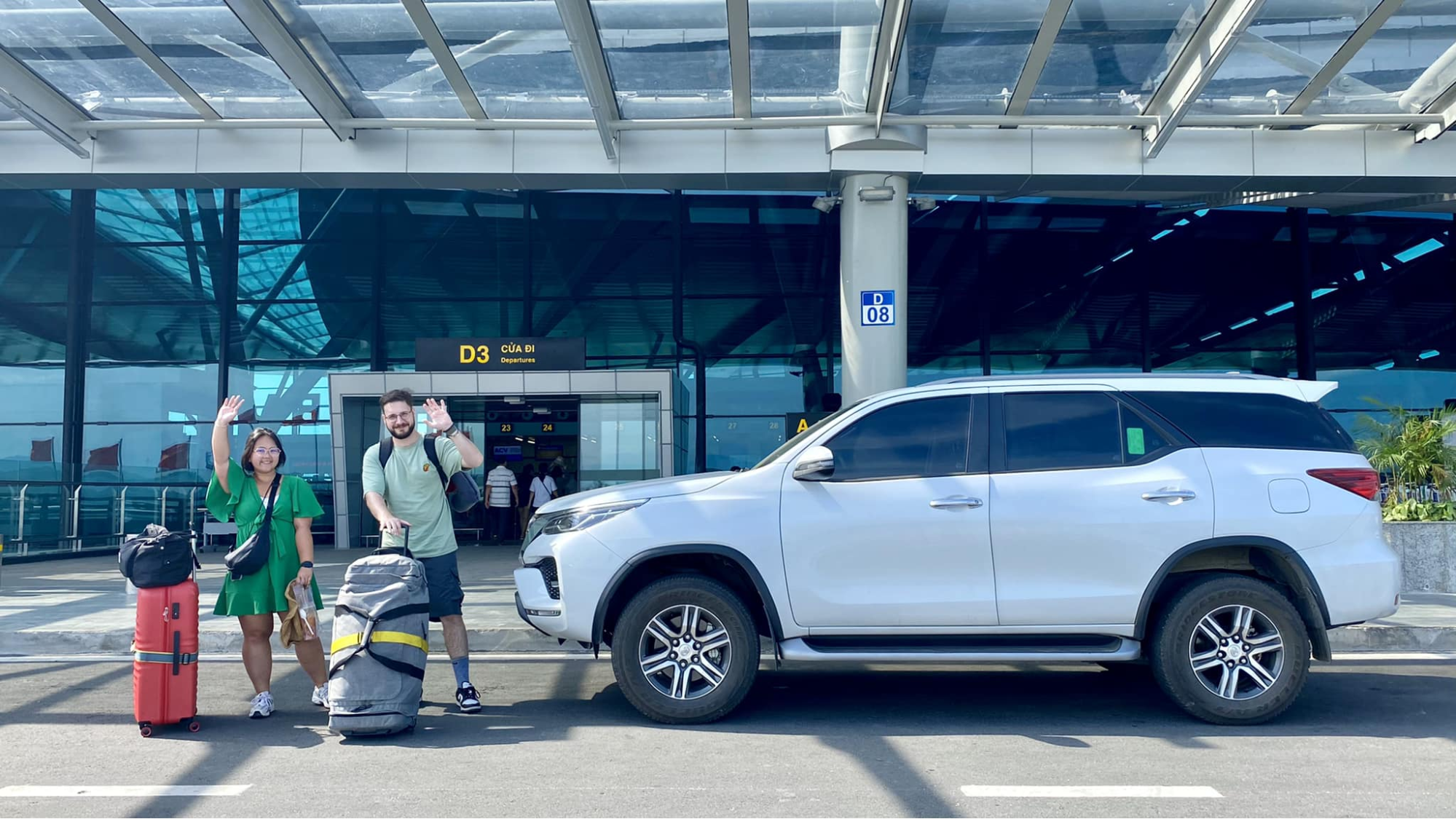
| Private Sedan (4-seat) | 1,200,000 – 1,400,000 | $48 – $56 | Couples or solo travelers with luggage. |
| Private SUV (7-seat) | 1,400,000 – 1,700,000 | $56 – $68 | Small families or groups of 3-4. |
| Minivan (16-seat) | 2,100,000 – 2,500,000 | $84 – $100 | Large groups or luxury seekers. |
| Metered Taxi | 1,400,000+ | $56+ | Last-minute trips (can be unpredictable). |
Popular Companies and Booking Options
- Danang Transfer / Hue Private Cars: These specialized tourist car services offer English-speaking drivers and fixed pricing that usually includes tolls and parking fees.
- Xanh SM (Electric Taxi): A premium, eco-friendly option. You can book via their app for a fixed price (approx. 1,240,000 VND) or a “tour” package.
- Grab: Widely available via the app, but be aware that prices fluctuate with demand and may not automatically include the return toll for the driver.
- Daytrip: An international platform for intercity transfers that guarantees high-quality vehicles and vetted drivers.
5. Riding from Hue to Da Nang by Motorbike
The journey from Hue to Da Nang is one of the most iconic road trips in Southeast Asia. This ~100 km (62-mile) route gained global fame after being featured on Top Gear, and for many, it remains the absolute highlight of a trip to Vietnam.
Pros and Cons of Motorbike Travel
| Pros | Cons |
| Total Freedom: Stop for photos, coffee, or a swim whenever you like. | Safety Risks: The Hai Van Pass has sharp “hairpin” turns and can be dangerous for beginners. |
| The Views: Unobstructed 360-degree panoramas of the coast and mountains. | Weather Dependent: You are exposed to rain, wind, and the tropical sun. |
| Cost-Effective: One-way rentals are affordable and often include luggage transfer. | Physical Fatigue: Riding for 3–5 hours can be tiring, especially in traffic. |

Recommended Route: The Scenic Path
The total ride takes roughly 3 to 5 hours depending on how many times you stop to admire the view.
- Hue to Lang Co (approx. 60 km): Start by heading south on National Highway 1A. This stretch is mostly flat but can be busy with trucks.
- Lang Co Beach & Lagoon: Stop here for fresh seafood or a coffee by the turquoise water. This is the last stop before the climb begins.
- The Hai Van Pass (21 km): Instead of taking the Hai Van Tunnel (which is faster but off-limits to bikes), follow the signs for the Pass. You will climb to nearly 500m above sea level.
- The Summit: Stop at the old French and American bunkers at the top for a view of both Hue (north) and Da Nang (south).
- Descent into Da Nang: The road winds down toward the city, offering spectacular views of Da Nang Bay and the Son Tra Peninsula.
Safety Tips and Rental Advice
Choosing Your Bike
- For Beginners: An automatic scooter (like a Honda Airblade or Vision) is easiest to handle.
- For the Experienced: A semi-automatic or manual bike (like a Honda XR150) provides better engine braking for the steep downhill sections.
One-Way Rental Services
Several reputable companies specialize in the Hue–Da Nang–Hoi An corridor. They typically allow you to pick up the bike in one city and drop it off in the other.
- Recommended Providers: Motorvina, Tigit Motorbikes, and The Motorbike Station.
- Luggage Transfer: Most of these companies will shuttle your large bags by van to your destination hotel for free or a small fee (~$2–$5), so you only need to carry a small daypack.
Road Safety
- Check the Brakes: Before leaving Hue, test both front and back brakes. On the Hai Van Pass, use engine braking (low gear/letting off the throttle) rather than riding your brakes constantly to prevent overheating.
- Watch the Weather: Since it is currently December, you are at the tail end of the rainy season. The pass can get very foggy and the road surface can be slippery. If visibility is low, slow down significantly.
- The “Easy Rider” Option: If you want the views without the stress of driving, you can hire an Easy Rider—a professional local driver who takes you on the back of their bike.
6. Flying from Hue to Da Nang
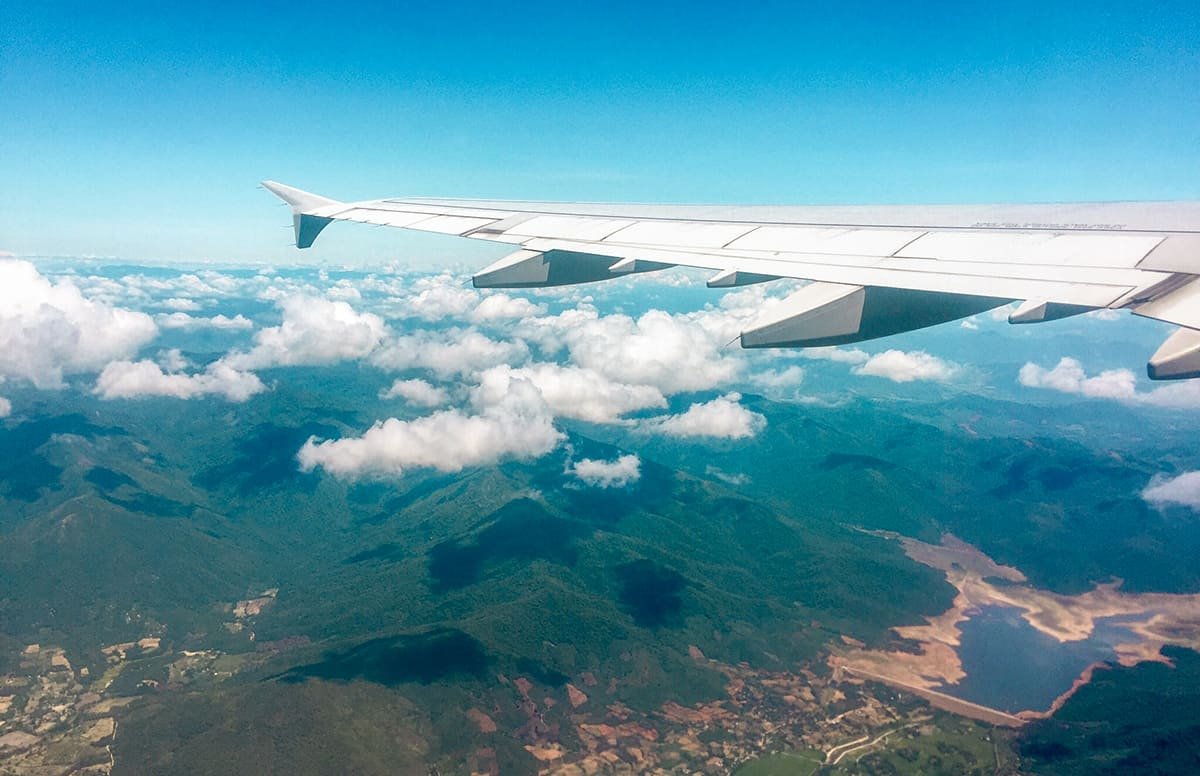
While you can technically book a flight between Hue and Da Nang, it is arguably the least practical way to travel between these two cities. Because they are only 100km apart, there are no direct flights available. Any flight you take will require a layover in a major hub like Hanoi or Ho Chi Minh City.
Pros and Cons (Speed vs. Practicality)
| Feature | Flying (Hue to Da Nang) | Ground Travel (Car/Train) |
| Speed | Very Slow: Total travel time is 6–10+ hours. | Fast: 1.5 to 3 hours total. |
| Practicality | Low: Requires two check-ins and a long layover. | High: Direct, door-to-door, or scenic. |
| Cost | Expensive: Prices are usually 10x higher. | Budget-friendly: Very affordable. |
| Scenery | Cloud views: Mostly looking at clouds or airport terminals. | Stunning: Includes the world-famous Hai Van Pass. |
Flight Details, Airlines, Duration, and Costs
Since there are no direct routes, your journey involves flying away from your destination to reach a hub before flying back toward Central Vietnam.
- Airlines: Vietnam Airlines, VietJet Air, and Vietravel Airlines.
- Typical Route: Hue (HUI) $\rightarrow$ Hanoi (HAN) or Ho Chi Minh City (SGN) $\rightarrow$ Da Nang (DAD).
- Duration: Typically 6 to 11 hours, depending on the layover time.
- Costs: One-way tickets generally range from 2,600,000 VND to 4,200,000 VND ($105 – $170 USD). In comparison, a private car costs around $50, and a train ticket is less than $10.
When This Option Makes Sense
In almost every scenario, taking a private car, the train, or a tourist bus is superior. However, flying might be considered in these very rare cases:
- Extremely Heavy Luggage: If you have an excessive amount of luggage that exceeds what a standard private car or train can handle, and you have already pre-paid for heavy baggage on a multi-city airline ticket.
- Airline Mileage Runs: If you are “status chasing” and need one more segment to reach a frequent flyer tier (though even then, the time cost is massive).
- Connecting from an External Flight: If you are already at Hue airport and have a separate ticket that starts in Da Nang, though even in this case, a 2-hour taxi ride is faster than a 6-hour flight connection.
Recommendation: If you want the best experience, take the train. It follows the coastline of the Hai Van Pass, offering views you cannot see from the road or the air, and it takes only 3 hours for a fraction of the price.
7. Best Time to Travel from Hue to Da Nang
The best time to travel from Hue to Da Nang is during the dry season, from February to August, specifically in the transitional months of February to April and August to September for the most pleasant weather and fewer crowds.
Seasonal Overview
The region has two distinct seasons, each offering different travel experiences:
Dry Season (February – August):
This is generally considered the best time due to sunny days, clear skies, and minimal rain.
- February to April: Offers a perfect balance of mild temperatures and low rainfall, ideal for sightseeing and outdoor activities without the intense heat of mid-summer.
- May to August: Characterized by hot weather and is the peak season for domestic tourism. This period is perfect for beach activities and water sports, but popular attractions can be crowded.
Rainy Season (September – January): This season brings heavy rain, occasional storms, and a higher risk of flooding, especially from September to November.
- While less ideal for outdoor activities, this period offers the advantages of fewer tourists and better deals on hotels and flights. The weather can be moody and atmospheric, which some travelers might find a uniquely quiet and romantic experience.

Optimal Time of Day for Travel
For the most scenic journey, consider the time of day:
- Morning: Traveling in the morning is generally cooler and often has fewer vehicles on the road.
- Golden Hour: The early morning or late afternoon offers amazing views and soft light, which is ideal for photography, especially if you plan to travel via the scenic Hai Van Pass.
Travel Tips for to Hue to Da Nang
- Pack Accordingly: Bring light, breathable clothing, sun protection (sunscreen, hats, sunglasses) for the dry season. For the rainy season, waterproof shoes and a compact raincoat are essential.
- Check Forecasts: Weather can be unpredictable, so monitor the forecast before your trip, especially during the rainy/typhoon season.
- Consider the Scenic Route: The drive or train ride between Hue and Da Nang, particularly over the Hai Van Pass, is renowned for its stunning coastal and mountain views. The dry season provides the best visibility for this journey.
- Book Ahead: During the peak dry season, popular attractions and accommodations can be busy, so booking in advance is a good idea.
>>> Read more: Train Hanoi Da Nang – Luxury Railway Experience with Sjourney
Conclusion
Choosing the best way to travel from Hue to Da Nang depends on your priorities: speed, scenery, comfort, or budget. The train offers unmatched coastal views, private cars provide flexibility, buses are affordable, and motorbikes deliver pure adventure. With proper planning and the right transport choice, the journey from Hue to Da Nang can be more than just a transfer—it can become a highlight of your Central Vietnam itinerary.
For personalized advice and seamless booking support, Contact Us to speak directly with our travel specialists. We are here to help you choose the most suitable transfer option and turn your journey from Hue to Da Nang into a truly refined travel experience. Reach out to our travel specialists at +84-975-119-466 to start your 2026 journey today.
————–
SJourney
Hotline (Phone/whatsapp): +84-975-119-466
Email: inquiry@vietnamluxuryexpress.com
Head office: No. 15/52 Giang Van Minh, Ba Dinh, Hanoi

The Travel Story Team is the editorial group behind Vietnam Luxury Express – passionate storytellers and travel enthusiasts dedicated to sharing the art of luxury train journeys across Vietnam.