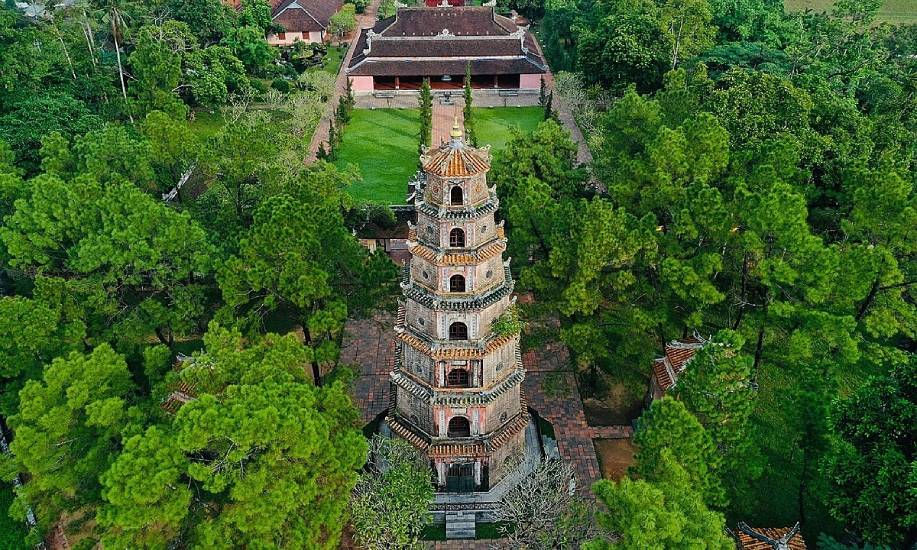
Hue Thien Mu Pagoda is one of the most iconic spiritual landmarks in Hue, Vietnam, gracefully overlooking the Perfume River. With a history spanning more than four centuries, this sacred site blends Buddhist heritage, royal legacy, and distinctive Nguyen-era architecture. This ultimate visitor guide to Thien Mu Pagoda provides essential insights on location, history, highlights, dress code, and itineraries—helping travelers experience the pagoda with cultural awareness and deeper appreciation.
Where Is Thien Mu Pagoda Located and How to Get There?
Thien Mu Pagoda (also known as Linh Mu Pagoda) is located in the ancient capital of Hue, Vietnam. Specifically, it sits atop Ha Khe Hill, on the northern bank of the Perfume River (Song Huong), about 5 kilometers (3 miles) west of the Hue city center.
How to Get There
Because the pagoda is close to the city center, you have several convenient options for reaching it:
By Dragon Boat (Most Scenic):
This is the most traditional and popular way for tourists. You can rent a boat from the Toa Kham wharf in the city center. The ride takes about 30–45 minutes and offers a relaxing view of the river life before arriving at the pagoda’s steps.
By Bicycle or Motorbike:
The road following the river (Kim Long Street) is scenic and flat. It takes about 15–20 minutes by motorbike or 30 minutes by bicycle. Many hotels in Hue offer bicycle rentals for a low fee.
By Taxi or Cyclo:
A taxi is the most comfortable and fastest option (around 10–15 minutes). For a slower, more “old-world” experience, you can take a cyclo (bicycle rickshaw) from the Citadel area.
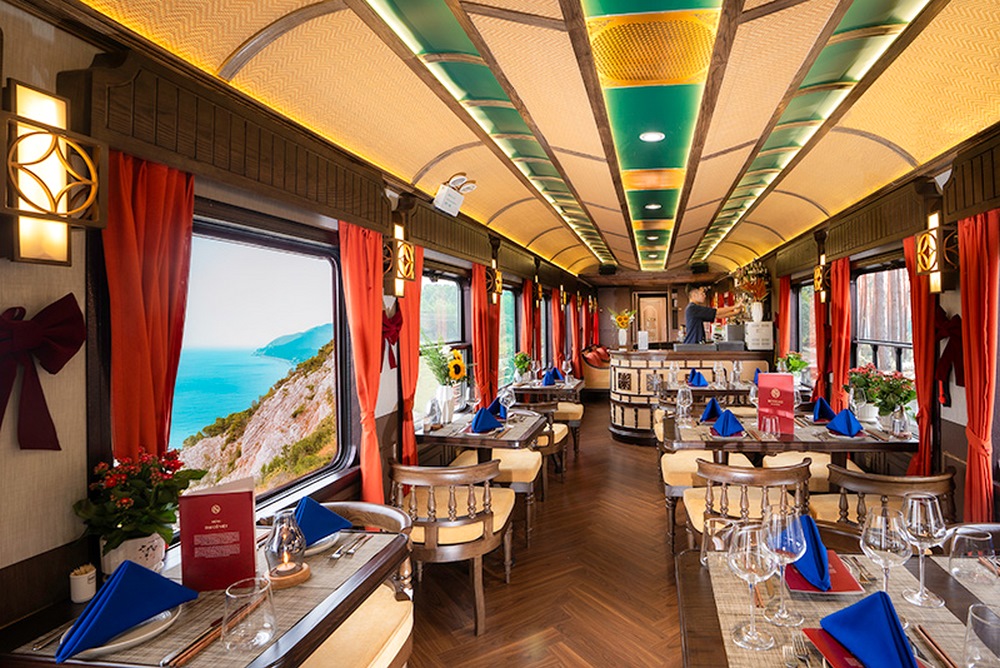
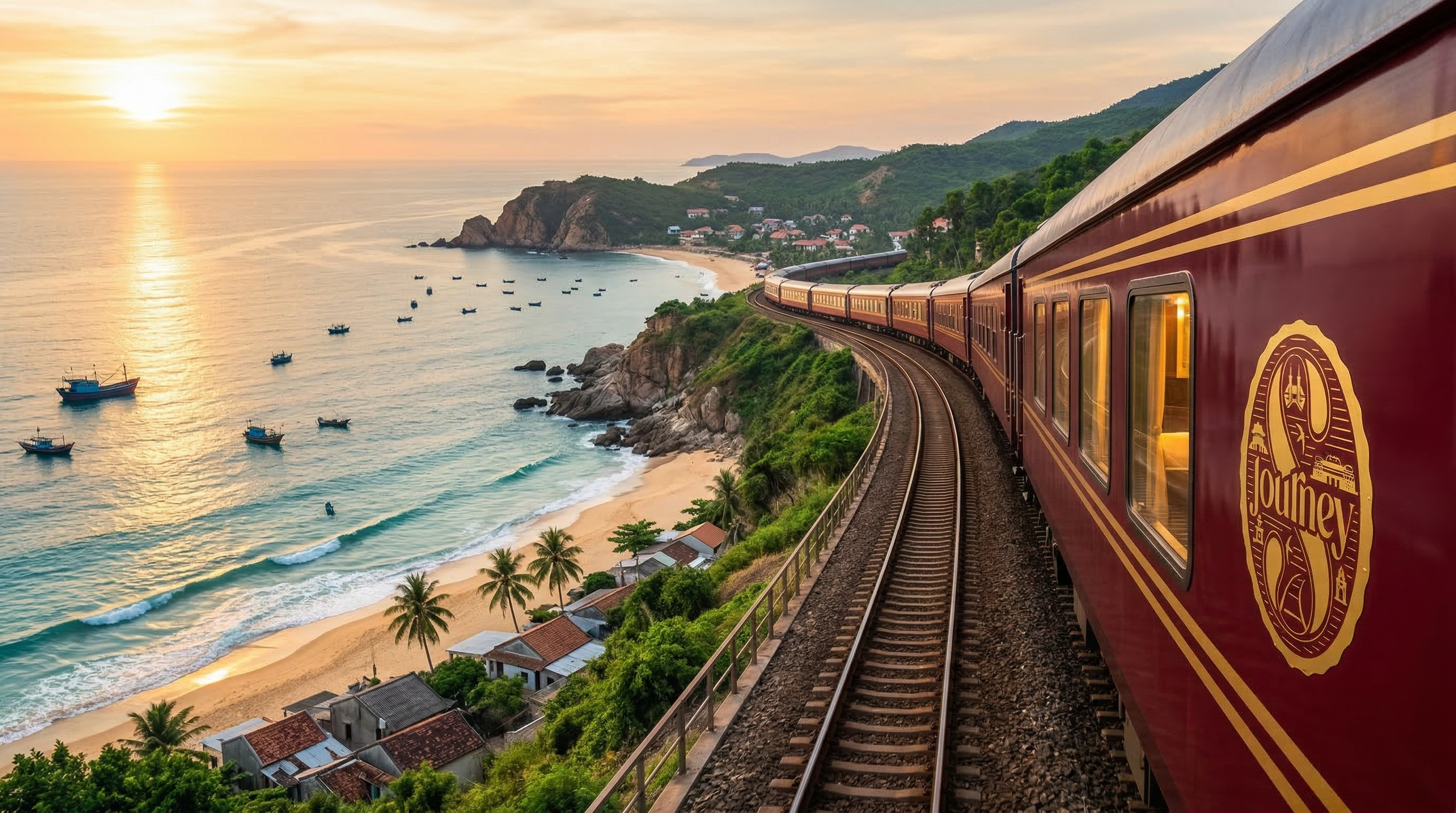
If you are planning to explore Hue and other iconic destinations across Vietnam in a seamless and refined way, consider elevating your journey with Sjourney Luxury Train. This premium rail experience connects major cultural highlights from Hanoi to Ho Chi Minh City, allowing you to discover historic sites like Thien Mu Pagoda with comfort, curated excursions, and expert guidance along the way. To learn more about how Sjourney can transform your Vietnam travel experience, contact Sjourney and begin planning a journey where luxury meets heritage.
The Rich History of Thien Mu Pagoda
Thien Mu Pagoda Hue Vietnam, also known as the Heavenly Lady Pagoda, is the oldest religious building in Hue, Vietnam, with a history spanning over 400 years. Established in 1601 by Lord Nguyen Hoang, the pagoda’s founding is tied to a local legend about a celestial woman who prophesied that a great leader would build a temple on the site to bring prosperity to the nation. This spiritual landmark is situated on Ha Khe Hill, overlooking the northern bank of the Perfume River.
Throughout the centuries, the pagoda has been expanded and renovated by various rulers of the Nguyen Dynasty. Significant historical additions include the massive Dai Hong Chung bell, cast in 1710, and the iconic seven-story Phuoc Duyen Tower, built in 1844 by Emperor Thieu Tri. In modern times, the pagoda became a focal point for Buddhist activism during the 1960s protests against religious discrimination. It still houses the car used by the monk Thich Quang Duc before his famous self-immolation in 1963.
>>> Read more: Hue Vietnam Weather 2026: Monthly Guide & Best Time to Visit
Best Time to Visit Thien Mu Pagoda
The best time to visit Thien Mu Pagoda is during the early morning (7:00 AM – 9:30 AM) or late afternoon (4:00 PM – 6:00 PM) to avoid crowds, enjoy cooler weather, and get the best lighting for photography. The ideal months are from January to March when the weather in Hue is mild and dry.
By Time of Day
- Early Morning (7:00 AM – 9:30 AM): This is the quietest time, allowing for a peaceful atmosphere to see monks during their morning routines. The soft light creates excellent photo opportunities of the pagoda reflected in the Perfume River.
- Late Afternoon (4:00 PM – 6:00 PM): Most tour groups have departed by this time, and the “golden hour” light provides a magical ambiance and stunning sunset views over the river.
Midday (11:30 AM – 2:00 PM): This time is generally the hottest, especially in the summer months, and the pagoda is the most crowded with tour groups.

By Season
- Dry Season (February – August): The ideal time for clear skies and sunny weather.
- February to April: The weather is cooler and pleasant, with blooming gardens.
- May to August: Expect hotter temperatures (30–35°C), but it’s a popular time to see red flamboyant flowers in bloom.
- Wet Season (September – January): This period brings higher humidity and more frequent rain, which might disrupt outdoor exploration.
Thien Mu Pagoda is open daily, generally from 7:00 AM to 6:00 PM, and there is no entrance fee. Visitors should dress modestly, covering shoulders and knees, as it is an active religious site
Architecture and Key Highlights of Hue Thien Mu Pagoda
Thien Mu Pagoda, also known as the Pagoda of the Celestial Lady, is an architectural landmark situated on Ha Khe Hill overlooking Hue’s Perfume River. Its design follows an “I-shaped” straight-line layout where major structures align on a central axis, embodying traditional Vietnamese Buddhist aesthetics through red-tiled roofs, intricate wood carvings, and ornate gates.

Architectural Highlights
- Phuoc Duyen Tower: This iconic 21-meter-tall octagonal tower, built in 1844, features seven stories that symbolize the various incarnations of Buddha.
- Dai Hung Shrine: Serving as the main sanctuary, this hall houses impressive bronze Buddhist statues and ancient relics under a traditional “yin and yang” curved roof.
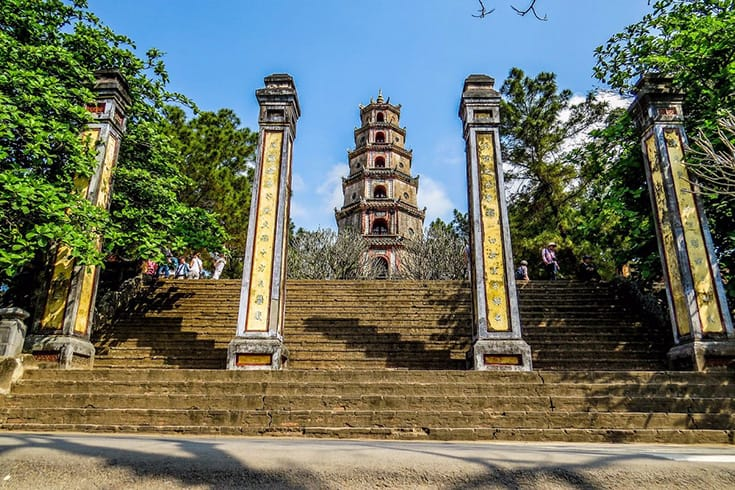
- Tam Quan Gate: A three-arched entrance that symbolizes the “Three Doors of Liberation” (emptiness, signlessness, and wishlessness) in Buddhist philosophy.
- The Great Bell (Dai Hong Chung): Cast in 1710, this massive 2.5-ton bronze bell is celebrated for its resonant sound that can reportedly be heard for miles.
Key Features and Historical Symbols
Beyond its traditional structures, the pagoda is home to several unique historical highlights
- Marble Turtle Stele: A large marble turtle from 1715 supports a stone stele engraved with the temple’s history, symbolizing longevity and wisdom.
- Serene Gardens: The complex is renowned for its meticulously landscaped courtyards filled with bonsai trees, frangipani flowers, and pine forests that offer a peaceful retreat.
>>> Discpver more: Lang Co Hue Vietnam: The Ultimate Guide to One of the World’s Most Beautiful Bays
What to Wear and Rules at Thien Mu Pagoda
As one of the most sacred and iconic sites in Hue, Thien Mu Pagoda is not just a tourist attraction but a functioning place of worship. To ensure a smooth visit and show respect to the resident monks and local practitioners, it is essential to follow specific cultural protocols.
Dress Code Recommendations
The general rule for visiting Vietnamese temples is to dress modestly. This shows respect for the spiritual environment and the local culture.
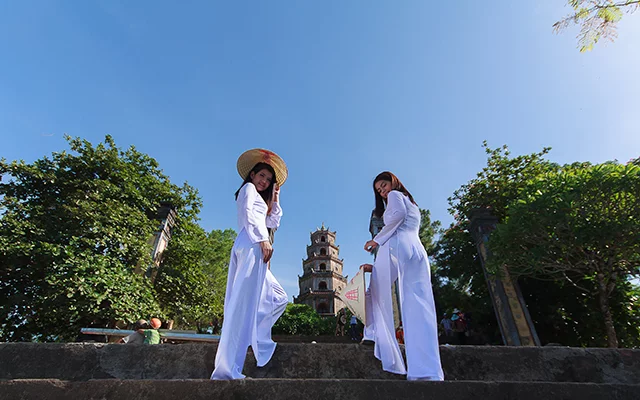
- Cover Shoulders and Knees: Both men and women should wear clothing that covers the shoulders and extends below the knee. T-shirts, blouses with sleeves, long pants, or maxi skirts are ideal.
- Avoid Revealing Clothing: Steer clear of tank tops, sleeveless shirts, short skirts, or ripped clothing. If you are wearing shorts or a sleeveless top, consider bringing a light scarf or sarong to wrap around yourself before entering the pagoda grounds.
- Footwear: You will likely be doing a fair amount of walking, so comfortable shoes or sandals are recommended. However, remember that you must remove your shoes before entering the inner sanctum or the main prayer halls.
Behavior Guidelines (Quiet Respect, Photography Rules)
Maintaining a peaceful atmosphere is paramount at Thien Mu. By following these simple rules, you contribute to the preservation of the pagoda’s spiritual integrity:
- Practice Quiet Respect: Speak in low voices and avoid loud laughter or shouting. This is particularly important near the main sanctuary where people may be praying or meditating.
- Photography Etiquette:
- Outside: Photography of the Phuoc Duyen Tower and the beautiful gardens is generally encouraged.
- Inside: Taking photos or videos inside the main prayer halls is often discouraged or strictly prohibited. Look for signs or observe local visitors; if in doubt, it is best to keep your camera away.
- Respect the Monks: Avoid taking close-up photos of monks without their permission.
- Mind Your Posture: Avoid pointing your feet toward the Buddha statues or altars, as this is considered disrespectful in Buddhist culture.
- No Smoking or Littering: Thien Mu is a smoke-free zone. Please ensure you take all trash with you to keep the historic grounds pristine.
Suggested 1-Day Itinerary Including Thien Mu Pagoda in Hue
This itinerary is designed for a full day of exploration in Hue, with a highlight visit to hue thien mu pagoda, using a mix of a scenic river boat trip along the Perfume River and a private car or taxi for maximum efficiency and comfort.
Morning Boat Start Option
Start your day with a scenic and relaxing boat trip on the Perfume River. This allows you to approach the pagoda from the water, as many historical figures did.
8:00 AM – Hotel Pickup & Boat Trip
Start your day early and head to a pier along the Perfume River (near the city center). Hire a traditional dragon boat for a one-way trip to Thien Mu Pagoda. The ride itself is a tranquil experience offering views of the surrounding landscapes.
8:30 AM – Visit Thien Mu Pagoda
Explore the iconic seven-tiered Phuoc Duyen Pagoda and the temple grounds. This is one of the most famous symbols of Hue and offers a peaceful atmosphere with beautiful views of the river. The pagoda is free to enter and usually opens around 8:00 AM.
9:30 AM – Proceed to Imperial Citadel
After visiting the pagoda, have your transport (a pre-booked taxi or private car is recommended for convenience) pick you up to head to the Hue Imperial Citadel.
Full-Day Sample Route (Pagoda + Citadel + Tomb)
The afternoon is dedicated to exploring the grand history of the Nguyen Dynasty.
10:00 AM – Explore the Imperial Citadel
Spend the bulk of your morning exploring the expansive Imperial Citadel, a UNESCO World Heritage site. Key highlights include the Ngo Mon (Meridian Gate), Thai Hoa Palace, and the Forbidden Purple City area. Plan to spend at least 2 to 3 hours here to appreciate the scale and history.
12:30 PM – Lunch
Enjoy local Hue specialties for lunch. Try Bun Bo Hue (spicy beef noodle soup) or Com Hen (mussel rice) at a local restaurant like Madam Thu or Hanh Restaurant.
1:30 PM – Visit a Royal Tomb
In the afternoon, visit one of the elaborate royal tombs. The two most popular and architecturally distinct are:
- Khai Dinh Tomb: Known for its unique blend of traditional Vietnamese and Western architecture, featuring elaborate mosaics and grand statues.
- Minh Mang Tomb: Admired for its harmonious feng shui and symmetrical layout, set amidst lush gardens and a serene lake.
Note: Entrance fees for the tombs are typically around 150,000 VND per adult per tomb. A combo ticket might be available.
4:00 PM – Optional Cultural Stop
If time permits, visit the nearby Thuy Xuan Incense Village (often near the tombs) to see the colorful incense sticks and perhaps the Thanh Toan Bridge, a unique tiled bridge in a peaceful rural setting.
Frequently Asked Questions About Thien Mu Pagoda Hue
Is there an entrance fee for Thien Mu Pagoda?
No, visiting the pagoda is completely free. While there is no ticket required, there are donation boxes located inside the main halls if you wish to support the maintenance of the site and the resident monks.
What are the opening hours?
The pagoda is typically open from 7:00 AM to 6:00 PM daily. However, because it is an active monastery, these hours can fluctuate slightly during Buddhist holidays or private ceremonies.
Is the pagoda wheelchair accessible?
Unfortunately, no. The main entrance is only accessible via a steep set of ancient stone steps leading up from the riverbank. The interior grounds are relatively flat, but reaching them requires climbing these stairs.
Is there a strict dress code?
Yes. As an active place of worship, you must dress modestly. Both men and women should ensure their shoulders and knees are covered. Avoid wearing hats, sunglasses, or headsets inside the prayer halls.
Can I take photos inside the buildings?
You are free to take photos of the gardens, the Phuoc Duyen Tower, and the exterior architecture. However, taking photos inside the main prayer halls (where the Buddha statues are located) is generally discouraged or prohibited to maintain the sanctity of the space.
Why is there an old car on display at the pagoda?
The blue Austin Westminster car belonged to the late monk Thich Quang Duc. In 1963, he was driven in this car from Hue to Saigon, where he famously self-immolated to protest the persecution of Buddhists by the South Vietnamese government.
What is the significance of the seven-story tower?
The Phuoc Duyen Tower is the symbol of the pagoda. Standing 21 meters tall, each of its seven levels is dedicated to a different Manushi Buddha (a Buddha who appeared in human form).
>>> Read more: Discover Top Hue Tourist Attractions in 2026: The Ultimate Travel Guide
Conclusion
Thien Mu Pagoda is not only a symbol of Hue’s spiritual life but also a timeless cultural treasure along the Perfume River. Known internationally as hue thien mu pagoda, this historic site offers visitors deep insight into Vietnam’s Buddhist traditions and royal past. For a refined way to explore Hue and central Vietnam, consider pairing your visit with a scenic journey on the luxury heritage train via Sjourney Train. Travel in comfort, style, and authenticity with Sjouney.
Contact us direct via +84-975-119-466 for personalized travel support.
————–
SJourney
Hotline (Phone/whatsapp): +84-975-119-466
Email: inquiry@vietnamluxuryexpress.com
Head office: No. 15/52 Giang Van Minh, Ba Dinh, Hanoi

The Travel Story Team is the editorial group behind Vietnam Luxury Express – passionate storytellers and travel enthusiasts dedicated to sharing the art of luxury train journeys across Vietnam.