Vietnam is emerging as one of Southeast Asia’s most compelling destinations for eco-conscious travelers. Beyond its iconic cities and famous landmarks lies a country of extraordinary biodiversity, living traditions, and resilient local communities. Eco tourism in Vietnam offers travelers the chance to explore this richness responsibly, connecting deeply with nature and culture while minimizing environmental impact and supporting local livelihoods.
As global travelers increasingly seek meaningful journeys over mass tourism, Vietnam stands at the crossroads of sustainability and discovery. From misty mountain villages in the north to vast wetlands in the south, eco tourism reveals a quieter, more authentic Vietnam, one best experienced slowly and respectfully.
What Is Eco Tourism in Vietnam?
Eco tourism in Vietnam refers to travel experiences designed to conserve natural environments, respect local cultures, and generate long-term benefits for local communities. Rather than focusing on luxury in its traditional sense, eco tourism emphasizes quality of experience, authentic engagement, and responsible travel practices.
At its core, eco tourism in Vietnam is built on three key pillars:
- Environmental conservation: Protecting ecosystems, wildlife, and natural landscapes
- Cultural preservation: Respecting and sustaining local traditions, crafts, and ways of life
- Community empowerment: Ensuring tourism revenue benefits local people directly
This approach contrasts sharply with conventional mass tourism, which often prioritizes volume over value and can place pressure on fragile environments and communities.
Why Vietnam Is an Ideal Destination for Eco Tourism
Exceptional Natural Diversity
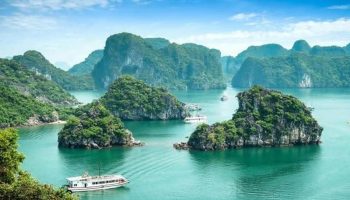
Vietnam is one of the world’s most biologically diverse countries. Despite its relatively small size, it boasts mountains, tropical rainforests, limestone karsts, caves, rivers, coastlines, and wetlands. The country is home to multiple UNESCO World Heritage Sites, national parks, and biosphere reserves, many of which are ideal for eco tourism.
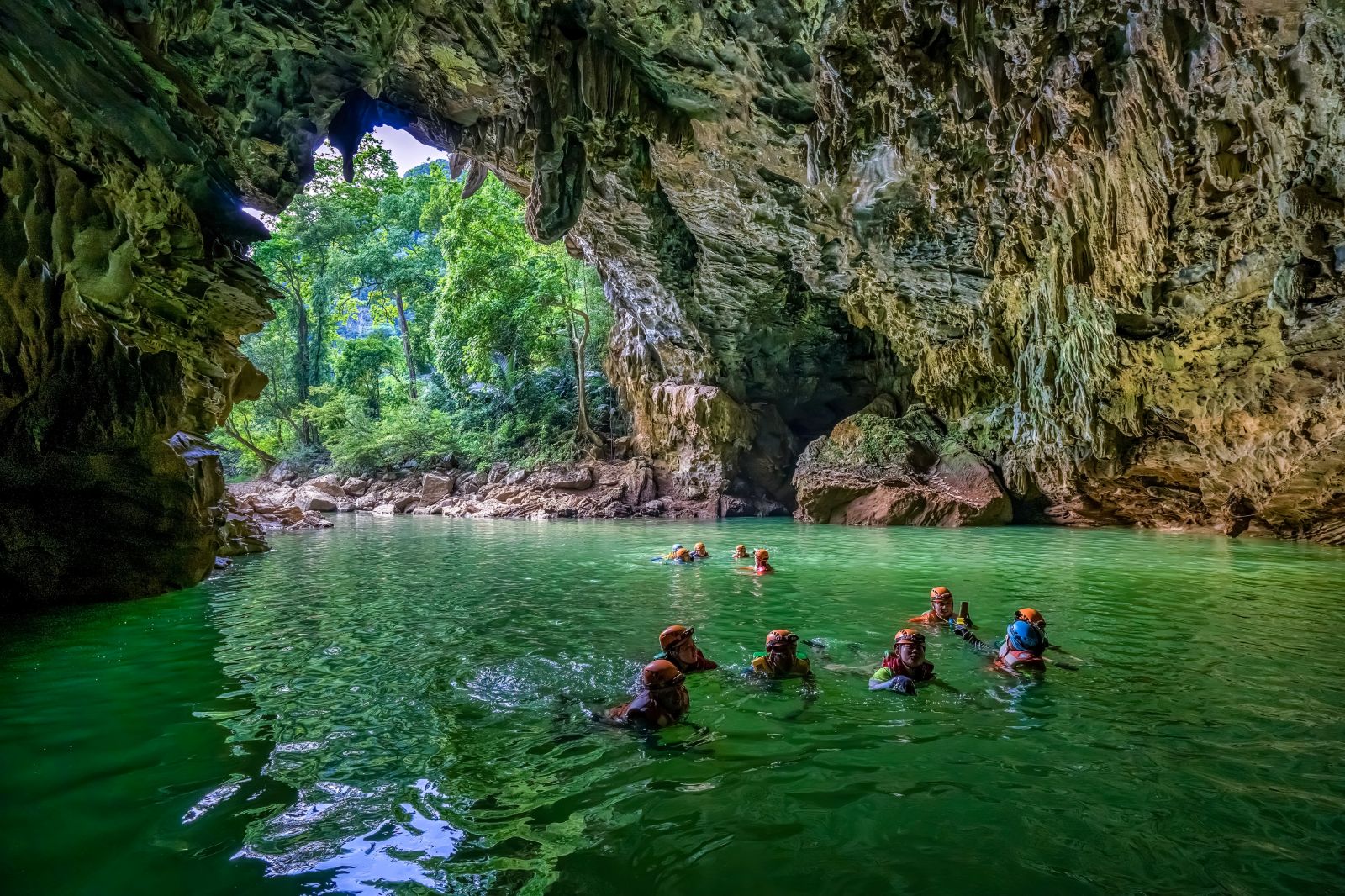
From the dramatic caves of Phong Nha–Ke Bang to the tranquil lagoons of Central Vietnam and the fertile waterways of the Mekong Delta, nature remains central to the Vietnamese landscape.
Living Cultures and Local Communities
Eco tourism in Vietnam is inseparable from its people. Across the country, travelers encounter ethnic minority communities, traditional fishing villages, farming families, and artisans who have preserved their crafts for generations.
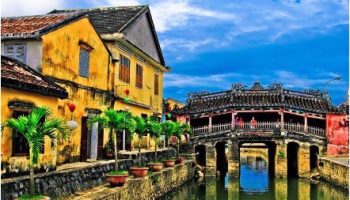
These are not staged performances but living cultures, woven mats in Phu Yen, pottery in Hoi An, incense making in Hue, and terrace farming in the northern highlands. Eco tourism allows visitors to engage respectfully with these traditions while helping communities sustain them.

Phu Tan mat weaving village in Phu Yen
Accessibility and Value
Compared to many eco destinations worldwide, Vietnam remains accessible in both cost and infrastructure. Eco-friendly travel here ranges from community homestays to thoughtfully designed eco lodges and slow travel journeys that emphasize comfort without excess. This balance makes Vietnam particularly attractive for travelers seeking meaningful experiences without compromising comfort.

>> Discover more: Luxury Experiential Travel: Redefining the Meaning of Luxury in Modern Travel
Best Eco Tourism Destinations in Vietnam
Northern Highlands: Sapa and Beyond
The mountainous regions of northern Vietnam are among the country’s most rewarding eco tourism destinations. Trekking through rice terraces, staying in village homestays, and learning about ethnic minority cultures offer immersive, low-impact experiences.
Community-based tourism initiatives here ensure that tourism supports education, healthcare, and cultural preservation while limiting environmental harm.
Ninh Binh: Limestone Landscapes and Wetlands
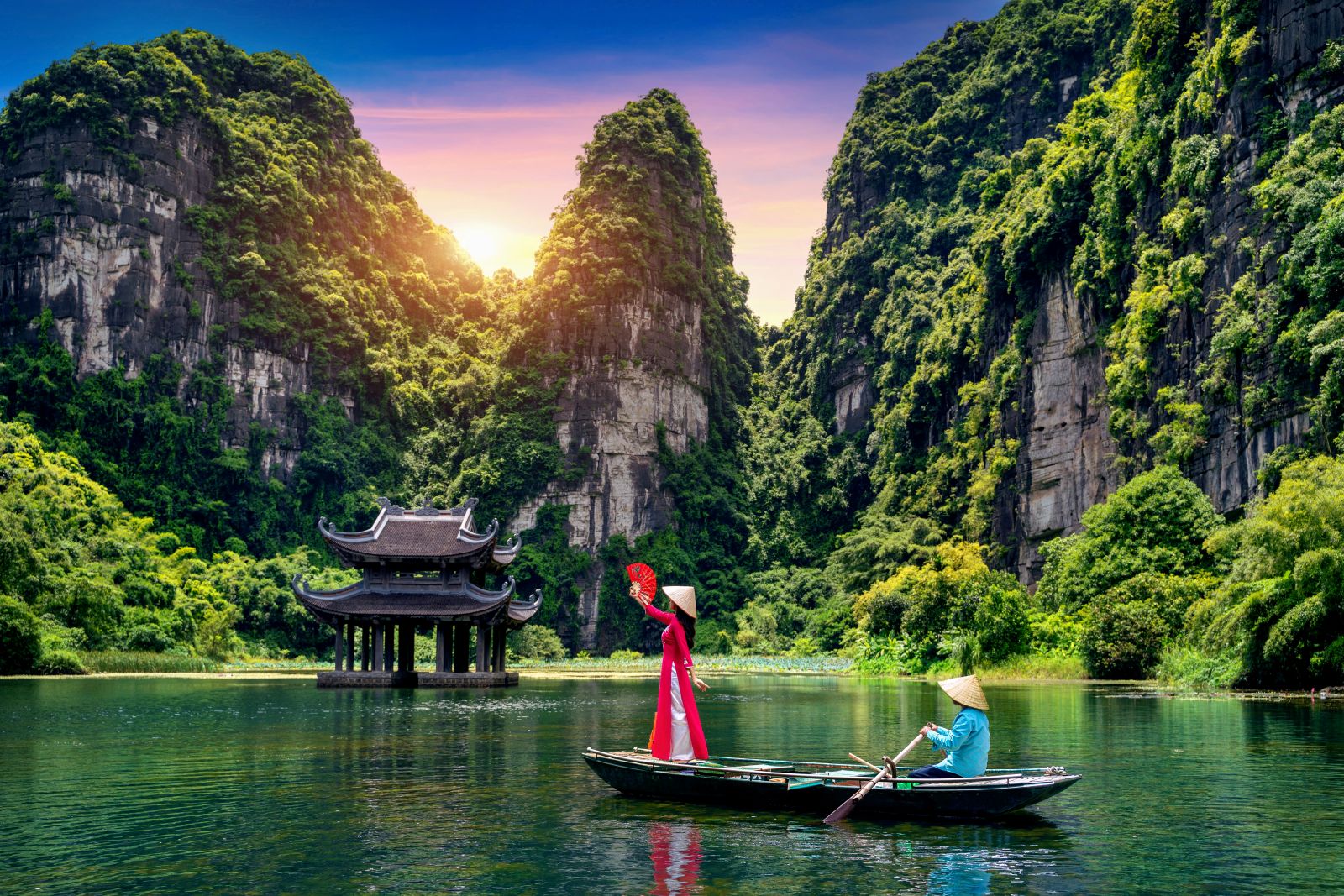
Often described as “Ha Long Bay on land,” Ninh Binh is a model for eco tourism in Vietnam. Visitors explore flooded caves and limestone karsts by small sampan boats, cycle through rural villages, and visit ancient temples set amid nature.
The Trang An Landscape Complex, a UNESCO site, is carefully managed to balance tourism with environmental protection.
>> Explore more: Ninh Binh Private Tour – A Tailored Journey into Vietnam’s Natural Heritage
Phong Nha–Ke Bang National Park
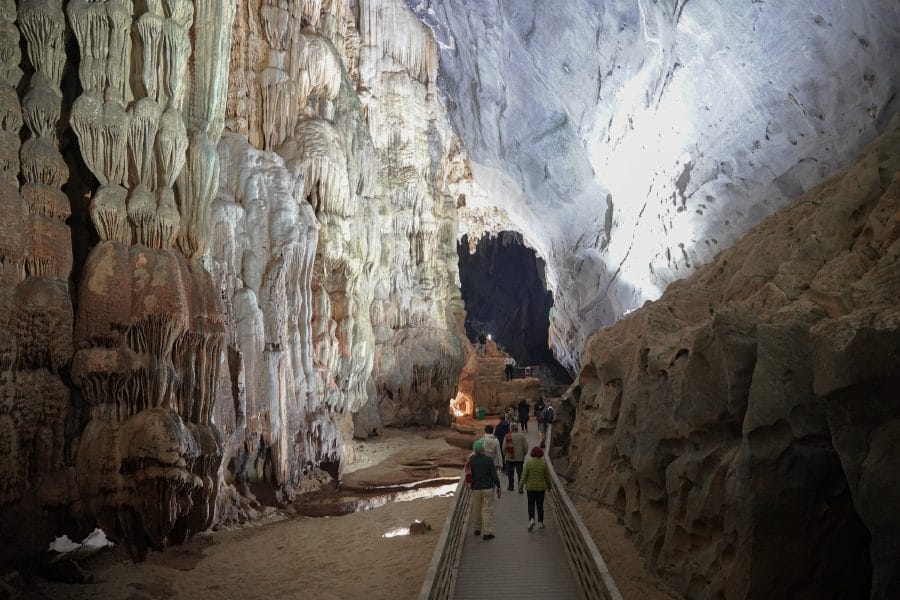
Home to the world’s largest caves, Phong Nha–Ke Bang offers eco tourism experiences centered on conservation and adventure. River cruises, guided cave explorations, and jungle treks are strictly regulated to protect fragile ecosystems.
Tourism here directly supports conservation efforts and local employment, making it one of Vietnam’s strongest examples of sustainable tourism in practice.
Central Vietnam’s Lagoons and Countryside
Areas such as Tam Giang Lagoon showcase a softer side of eco tourism, focused on fishing traditions, sunrise and sunset experiences, and wetland ecosystems. Visitors can kayak, paddleboard, or join local fishermen, gaining insight into lagoon life while respecting its delicate balance.

Mekong Delta: Life on the Water
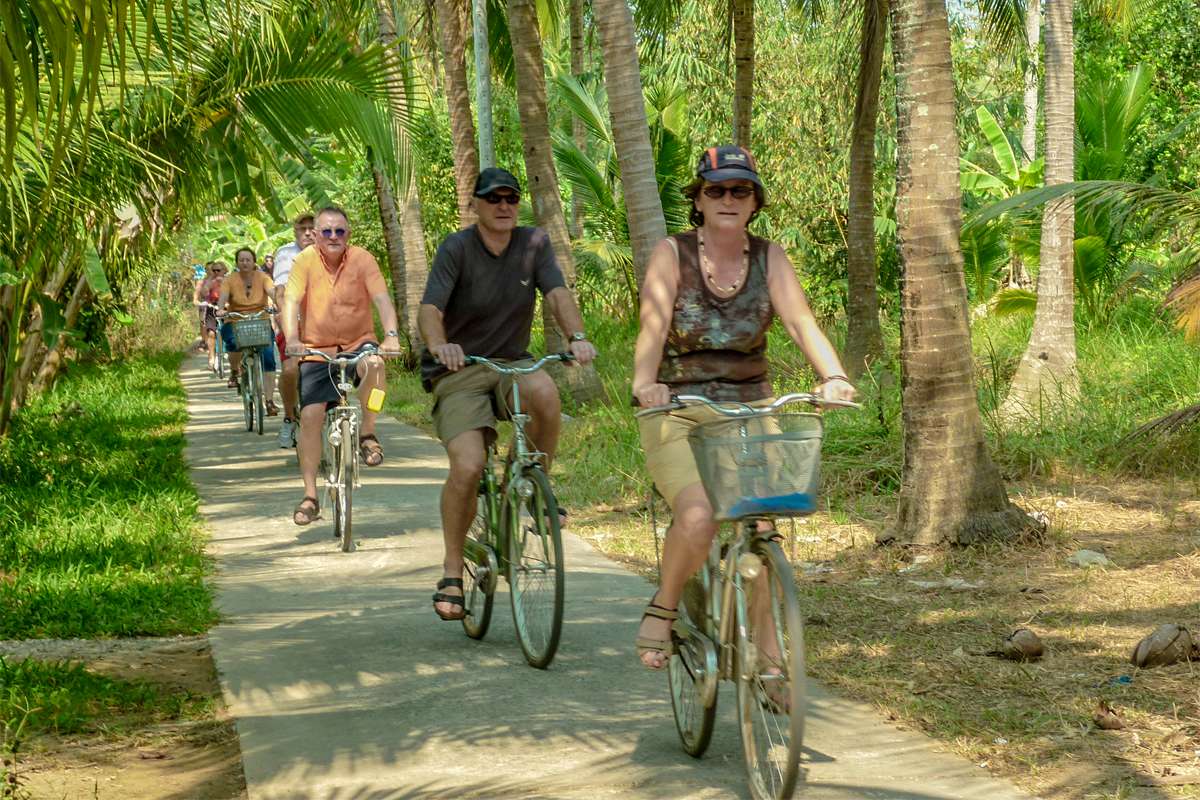
Eco tourism in southern Vietnam often centers on the Mekong Delta. Slow river journeys, orchard visits, cycling along village paths, and floating market experiences allow travelers to witness daily life shaped by water.
Eco lodges and community-run tours help protect waterways and reduce the environmental footprint of tourism in the region.
>> Discover more: Endless Discovery Travel in Vietnam: An 8-Day Luxury Rail Journey with SJourney
Best Time to Experience Eco Tourism in Vietnam
Vietnam’s climate varies significantly by region, making year-round eco tourism possible with proper planning.
- Northern Vietnam: Best from October to April, with cooler temperatures ideal for trekking
- Central Vietnam: Dry season from February to August suits outdoor and lagoon activities
- Southern Vietnam: December to April offers dry, warm weather for river and rural exploration
Visiting during shoulder seasons also helps reduce pressure on popular sites while offering more intimate experiences.
Why Discover Eco Tourism in Vietnam with SJourney
Slow Travel That Respects Nature and Local Communities
SJourney embraces slow travel as a core principle of eco tourism in Vietnam. Rather than moving quickly from one destination to another, each itinerary is designed to allow travelers to stay longer, observe more deeply, and reduce unnecessary environmental impact. This approach encourages meaningful engagement with local communities while preserving the natural and cultural integrity of each destination.
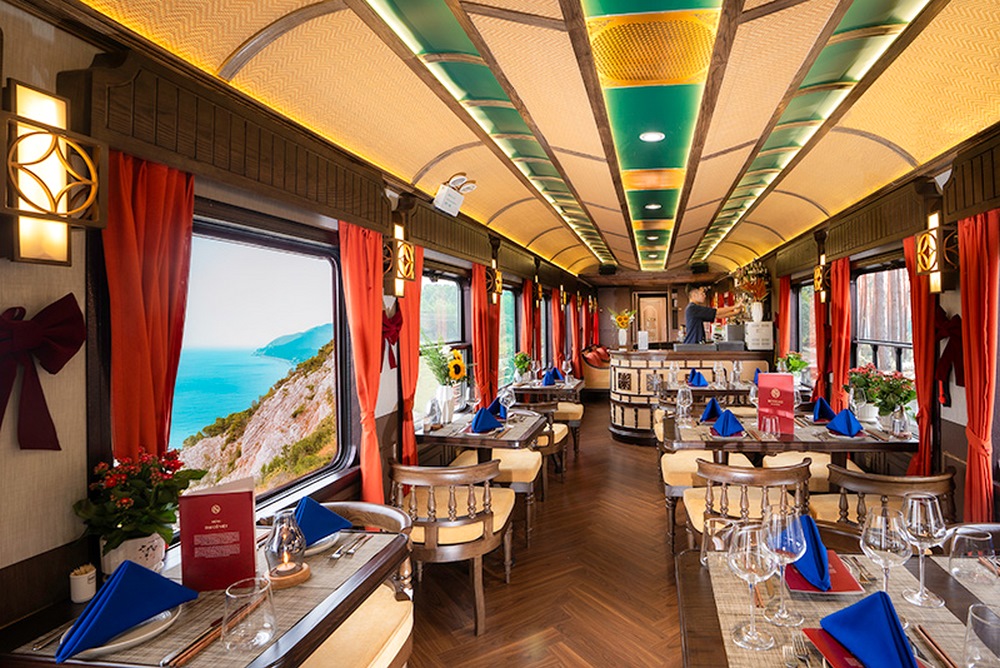
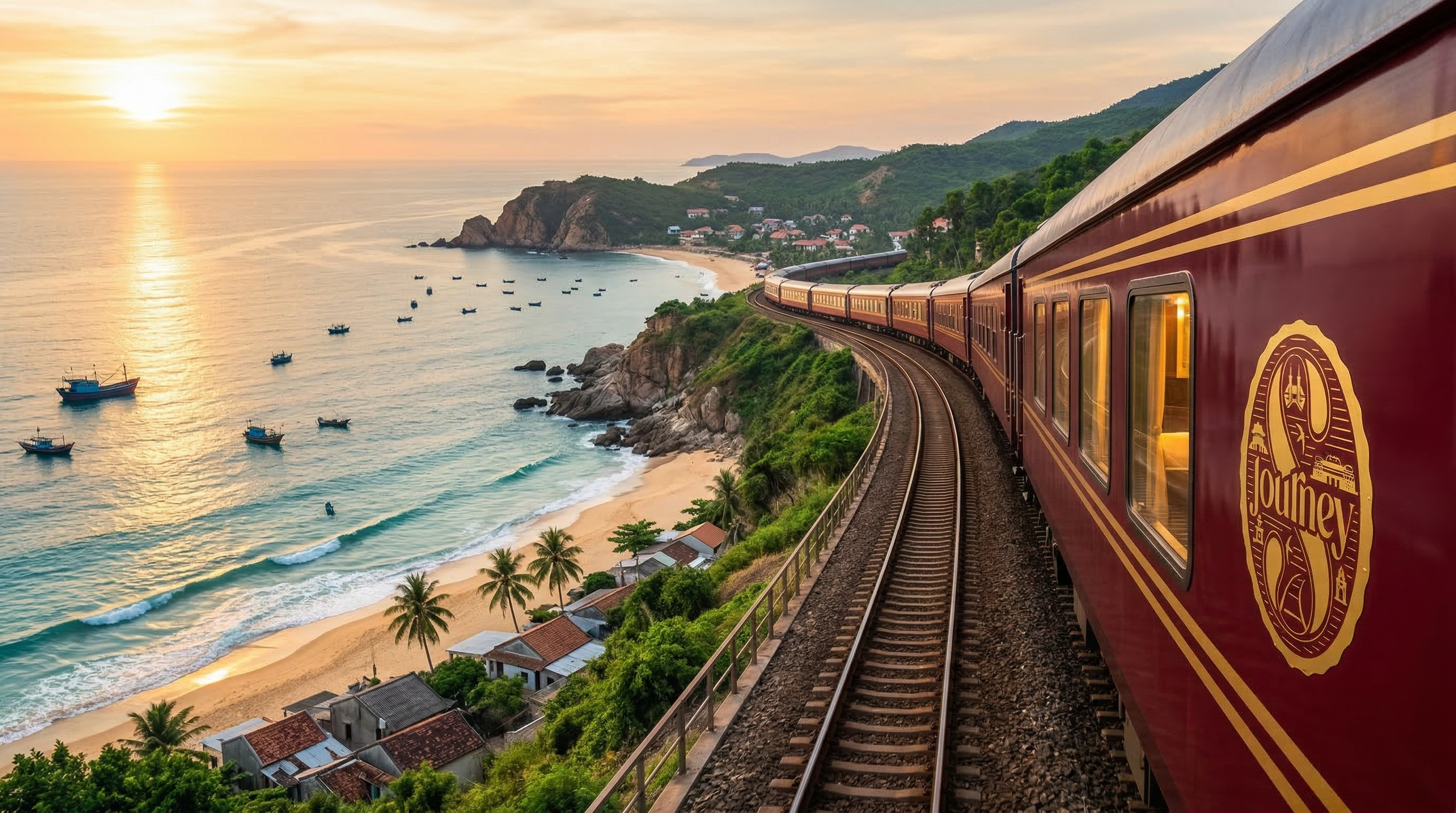
A Low-Impact Way to Explore Vietnam by Luxury Train
Compared to domestic flights or long-distance road travel, train journeys significantly reduce carbon emissions while offering a scenic and relaxing way to move between regions.
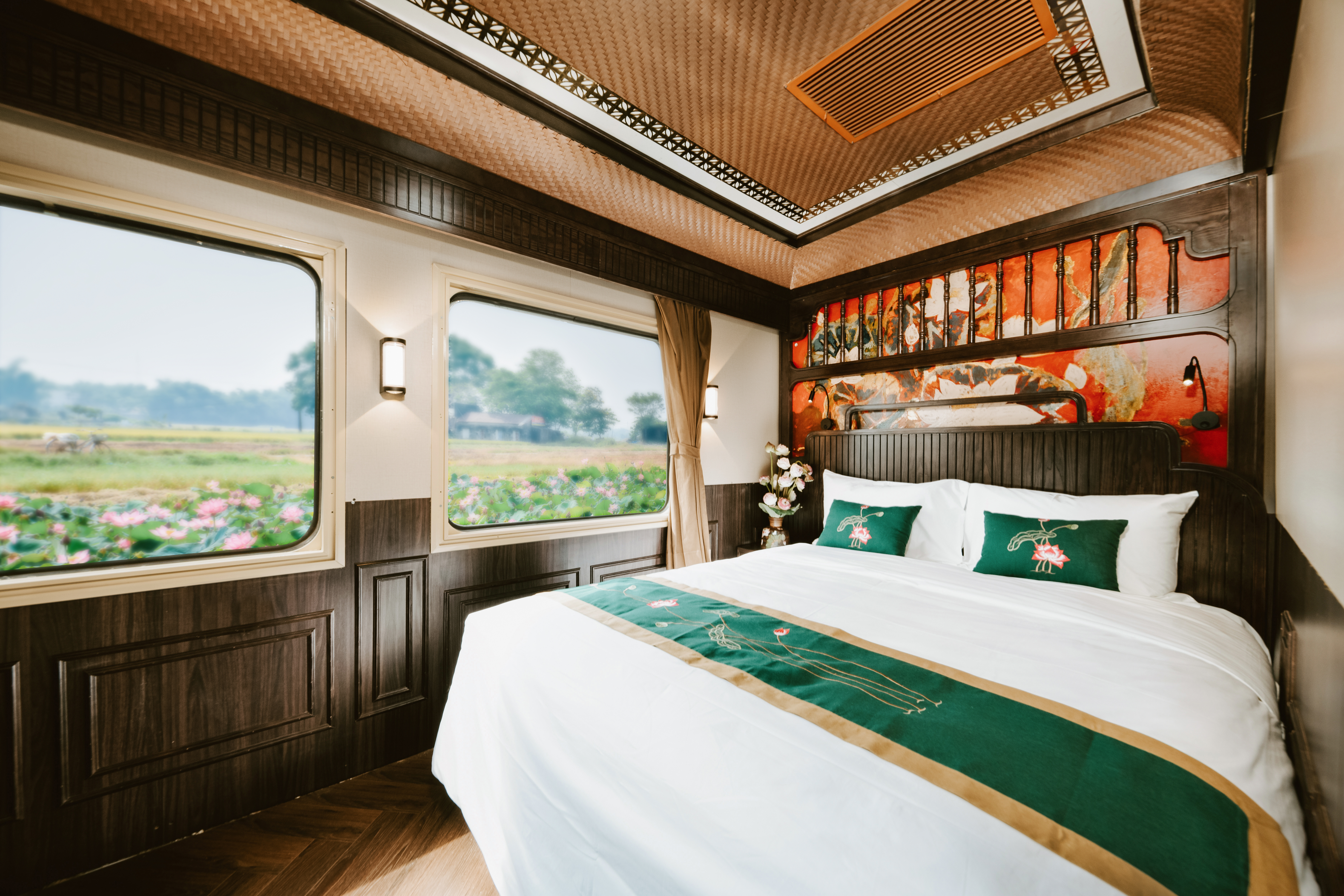
SJourney’s private cabins provide comfort, privacy, and tranquility, allowing travelers to enjoy Vietnam’s changing landscapes from sunrise to sunset without contributing to over-tourism or excessive fuel consumption.
Authentic Cultural Experiences Rooted in Sustainability
Eco tourism in Vietnam is not only about nature, but also about people. SJourney carefully curates experiences that are deeply connected to local culture, heritage, and craftsmanship. From exploring historic towns to participating in traditional artisan activities, travelers are encouraged to interact respectfully with local communities.
Curated Itineraries That Balance Luxury and Responsibility
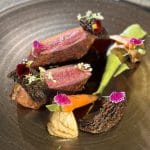
SJourney proves that sustainability and comfort can coexist. Each itinerary is thoughtfully planned to minimize environmental impact while maintaining high standards of service, dining, and accommodation. Locally inspired cuisine, regional ingredients, and culturally authentic design elements are integrated throughout the journey.
FAQ: Eco Tourism in Vietnam
What is eco tourism in Vietnam?
Eco tourism in Vietnam focuses on responsible travel that conserves nature, respects culture, and supports local communities.
Is eco tourism suitable for first-time visitors to Vietnam?
Yes. Eco tourism offers an accessible, enriching way to experience Vietnam beyond crowded tourist routes.
Is eco tourism in Vietnam expensive?
Not necessarily. Vietnam offers a wide range of eco-friendly experiences at different price points, from simple homestays to premium slow travel journeys.
How can travelers reduce their environmental impact in Vietnam?
Travel slowly, reduce waste, support local businesses, and choose responsible tour operators.
Can eco tourism and comfort coexist in Vietnam?
Absolutely. Many eco experiences in Vietnam balance sustainability with comfort, privacy, and high-quality service.
>> Explore eco tourism travel with SJourney, where every detail is crafted with care. Discover more HERE.
Conclusion
Eco tourism in Vietnam invites travelers to see the country not as a checklist of attractions, but as a living landscape shaped by nature, history, and human connection. It is a way of traveling that values meaning over speed, presence over consumption.
By choosing eco tourism, you do more than explore Vietnam, you help preserve it. Contact SJourney today to plan your Vietnamese adventures.
————–
SJourney
Hotline (Phone/whatsapp): +84-975-119-466
Email: inquiry@vietnamluxuryexpress.com
Head office: No. 15/52 Giang Van Minh, Ba Dinh, Hanoi

The Travel Story Team is the editorial group behind Vietnam Luxury Express — passionate storytellers and travel enthusiasts dedicated to sharing the art of luxury train journeys across Vietnam.