Conquering Sapa Fansipan, the highest peak in Indochina, is a dream for many travelers visiting Northern Vietnam. At 3,143 meters above sea level, Fansipan mountain Sapa offers a majestic mix of spiritual landscapes and adrenaline-pumping climbs. Whether you choose the record-breaking cable car or a challenging multi-day trek, understanding the Sapa Fansipan weather and logistics is key to a successful trip. This comprehensive 2026 guide covers everything from transport from Sapa to Fansipan to cultural highlights, ensuring your journey to Fansipan Sapa Vietnam is truly unforgettable.
The Majesty of Fansipan mountain Sapa
Fansipan mountain Sapa is not just a geographical landmark; it is a spiritual beacon for the Vietnamese people. Known as the “Roof of Indochina,” it stands tall as the highest point in the Hoang Lien Son range. For decades, this peak was the exclusive playground of professional climbers and local Hmong guides. However, with modern infrastructure, Sapa Fansipan has transformed into a world-class tourism destination that balances commercial convenience with rugged natural preservation.
When you visit Fansipan Sapa Vietnam, you are stepping into a biological hotspot. The mountain is home to over 2,000 floral species and hundreds of types of birds and mammals, some of which are found nowhere else on Earth. The sheer vertical rise of the mountain creates distinct ecological zones, making the journey from the base to the summit feel like traveling through different continents.
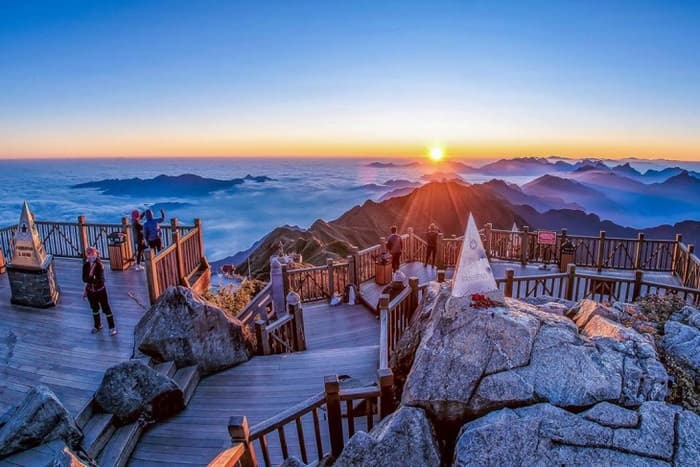
Fansipan Sapa
Why Fansipan Sapa Vietnam is a Must-Visit
Beyond the records and the heights, Sapa Fansipan represents the spirit of adventure. It is a place where you can touch the clouds and look down upon the majestic curves of the Hoang Lien Son range. The cultural depth, provided by the Hmong, Dao, and Tay people living at the base of the mountain, adds a layer of richness that you won’t find at other mountain resorts.
The Sapa Fansipan mountain experience is a blend of physical challenge and spiritual reward. Whether you are standing on the summit platform holding the Vietnamese flag or sipping hot tea while watching the sunset over Fansipan mountain Sapa, the memories made here are everlasting.
Decoding the Fansipan Sapa Weather
One of the most common mistakes travelers make is underestimating the Fansipan Sapa weather. Due to its extreme altitude, the summit has its own microclimate that often defies the forecast in Sapa town.
The Four Seasons on the Peak
- Spring (March – May): This is the “Season of Flowers.” The Sapa Fansipan weather during these months is cool and relatively dry. This is the only time you can see the ancient Rhododendron (Azalea) trees blooming in shades of red, pink, and yellow across the cliffs.
- Summer (June – August): While Sapa town offers an escape from the heat of Hanoi, the mountain peak can experience sudden rain and thunderstorms. However, the air is incredibly fresh, and the waterfalls are at their most powerful.
- Autumn (September – November): Widely considered the best time for Sapa Fansipan tourism. The sky is deep blue, the humidity is low, and you have the highest chance of seeing the “sea of clouds” (cloud hunting).
- Winter (December – February): The Sapa Fansipan weather turns harsh, with temperatures frequently dropping below 0°C. If you want to see snow or ice in a tropical country, this is your best bet.

Snow in Sapa
Temperature Inversion and Visibility
It is vital to check the Sapa Fansipan weather live cams at the Sun World station before buying your ticket. Often, Sapa town might be foggy, but once you ascend above 2,000 meters, you break through the cloud layer into brilliant sunshine. This phenomenon makes Fansipan Sapa Vietnam a photographer’s paradise.
Transportation: Getting from Sapa to Fansipan
The logistics of moving from Sapa to Fansipan have been revolutionized in recent years. Travelers can now choose a “multi-modal” approach to reach the top.
The Muong Hoa Funicular
The journey starts at the Sun Plaza in the heart of Sapa. This mountain train is the longest and most beautiful of its kind in Vietnam. Passing through tunnels and over viaducts, it offers a bird’s-eye view of the Muong Hoa valley’s terraced fields.
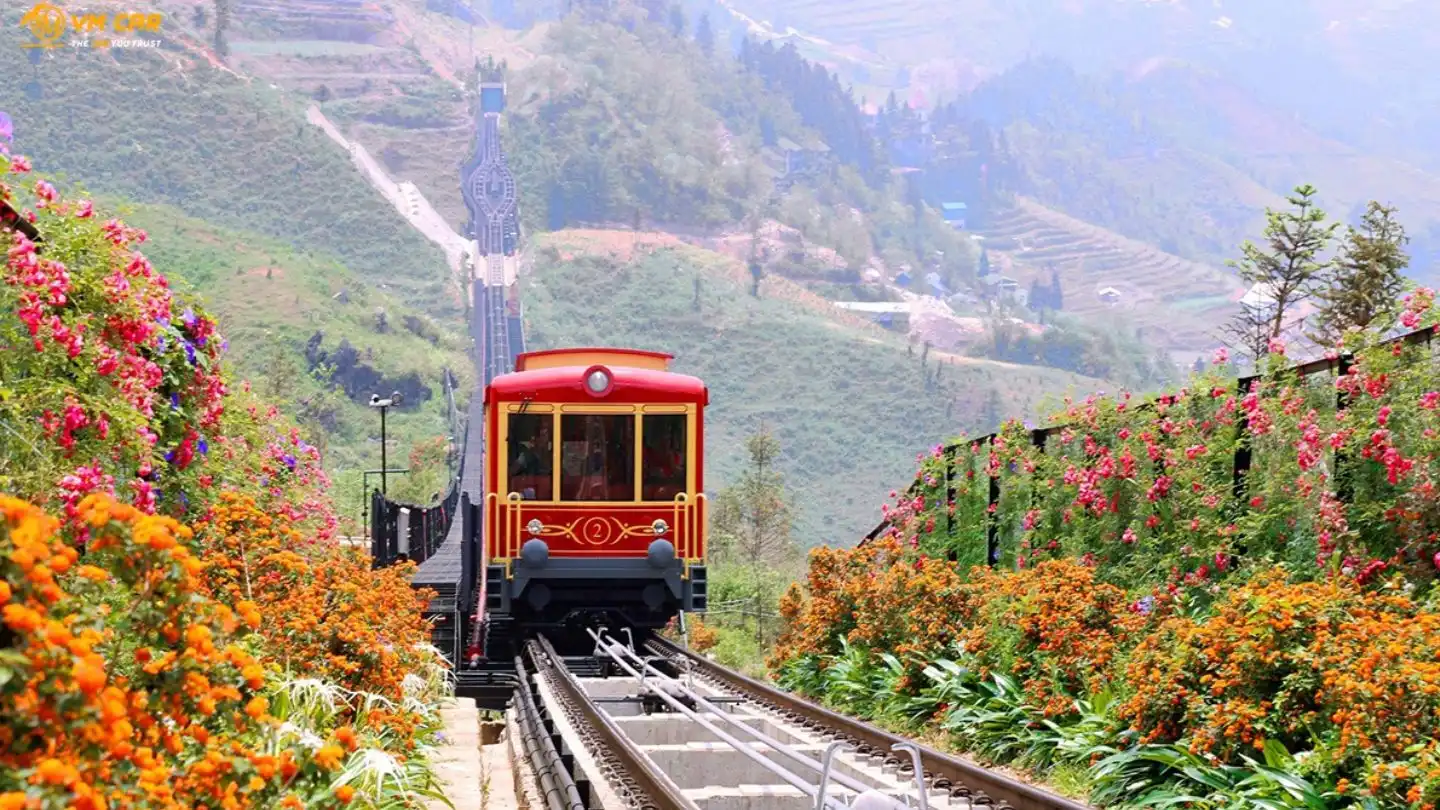
Muong Hoa Funicular
The Sun World Cable Car System
From the Hoang Lien station, you board the cable car—a feat of engineering that once held three Guinness World Records. The 15-minute ride covers what used to take two days of hiking. As you glide silently over the Sapa Fansipan mountain, the landscape shifts from terraced rice paddies to dense primary forests.
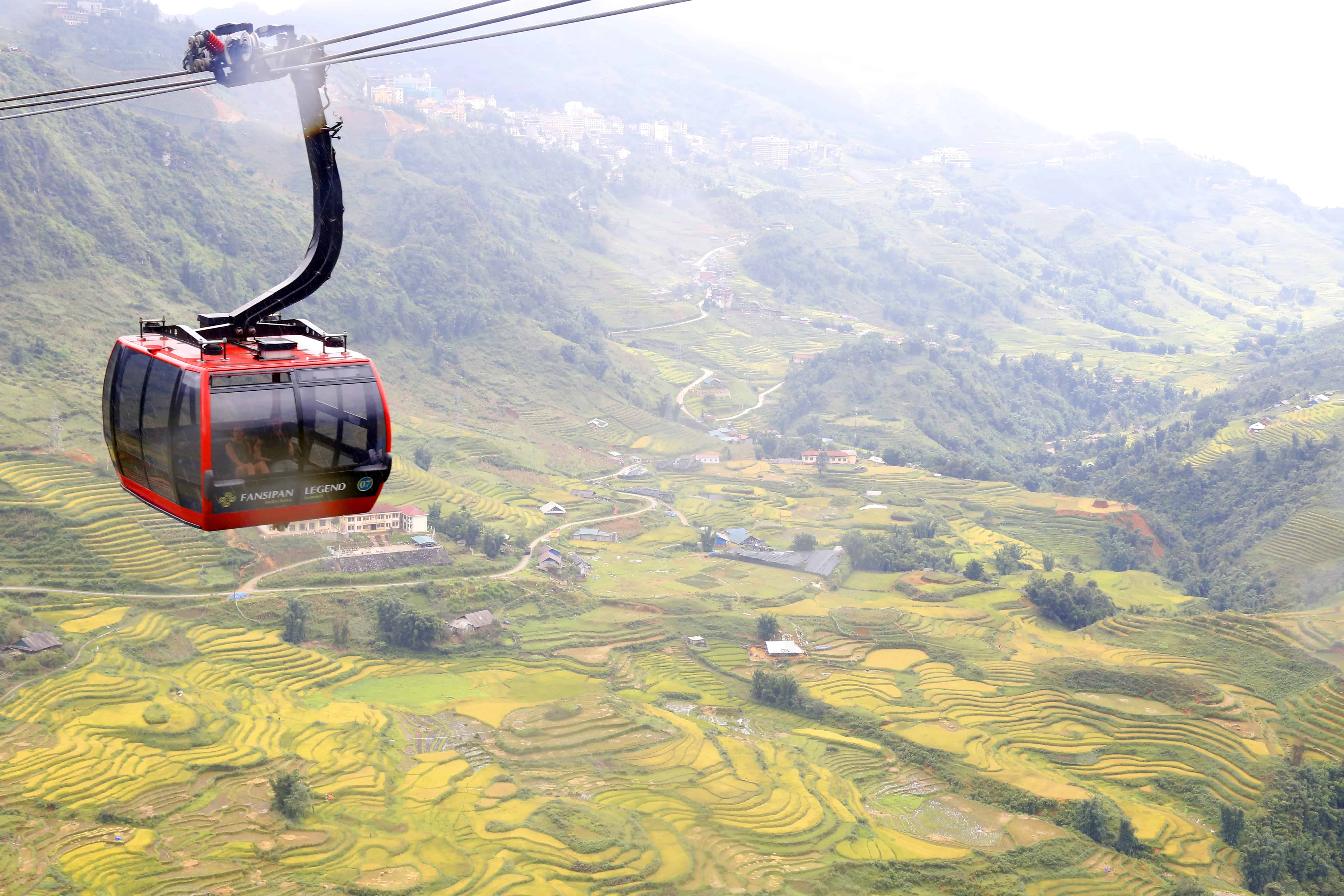
The Sun World Cable Car System
The Peak Funicular
Once you arrive at the upper station (2,900m), you still have about 600 steps to reach the very top. For those with health concerns or limited time, a second, smaller funicular can take you from the “Enlightenment Path” directly to the summit area of Sapa Fansipan.
Trekking Sapa Fansipan Mountain: The Ultimate Challenge
For the purists, nothing beats the feeling of conquering Sapa Fansipan mountain on foot. While the cable car is convenient, trekking allows you to connect deeply with the terrain of Fansipan Sapa Vietnam.
- The Tram Ton Route: The most popular trail, usually taking 1 or 2 days. It starts at 1,900m, making it the least steep path.
- The Sin Chai Route: A much more difficult path with steep cliffs, recommended only for experienced climbers with high-quality gear.
- The Cat Cat Route: The longest and most scenic route, taking you through various ethnic villages and diverse forest types.
Safety Note: Never attempt to trek Sapa Fansipan mountain without a local guide. The Sapa Fansipan weather can change in minutes, and the trails can become slippery and dangerous.
Spiritual Highlights at the Summit
Sapa Fansipan is often called the “Heaven’s Gate.” The complex at the top features a series of spiritual landmarks built in the style of 15th-century Vietnamese pagodas.
The Great Buddha Statue
As the highest bronze Buddha statue in Vietnam, it sits at an altitude of over 3,000 meters. The sight of the Buddha emerging from the mist of Fansipan mountain Sapa is a moment of pure serenity.
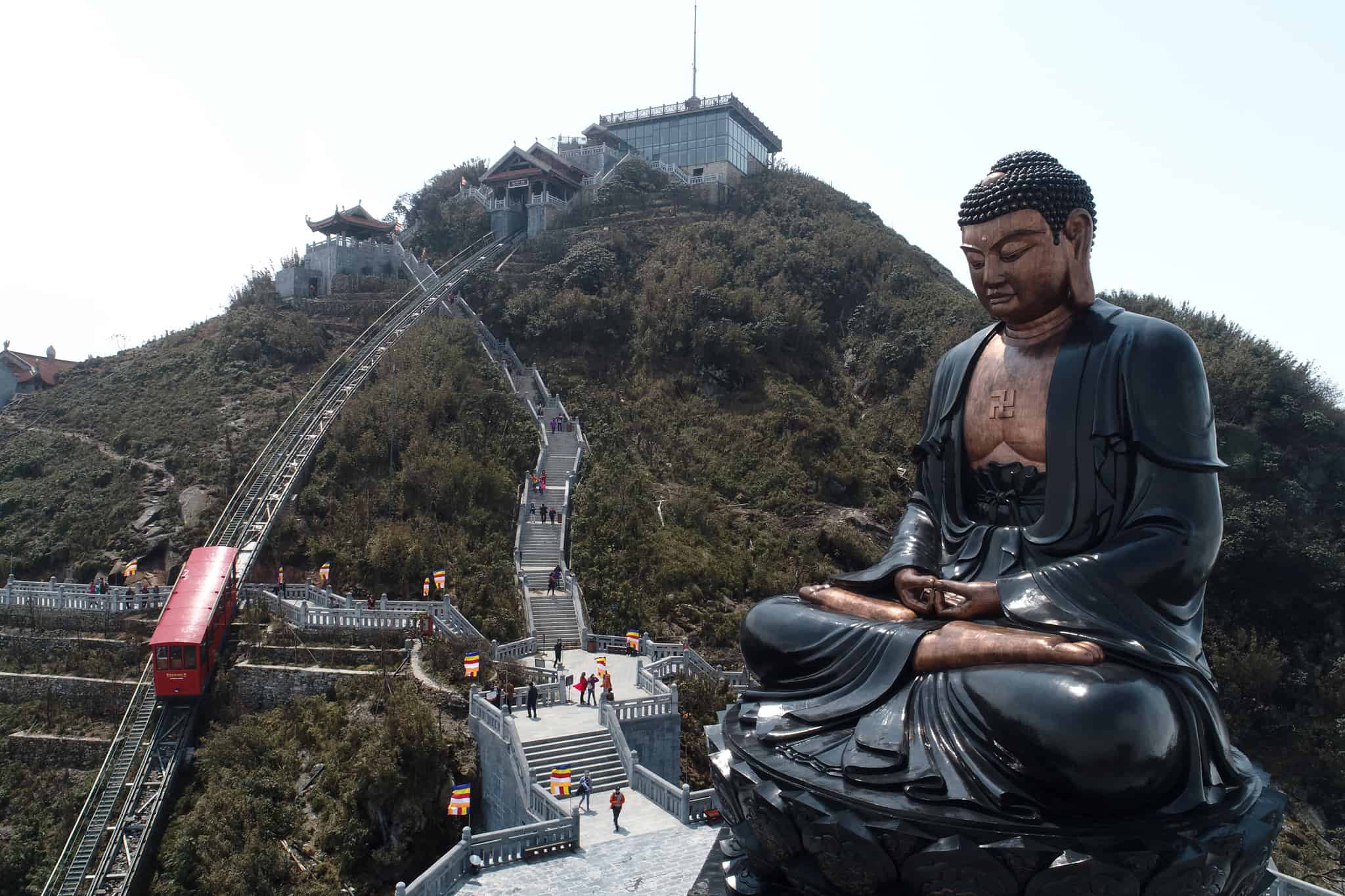
The Great Buddha Statue
Bich Van Thien Tu & Kim Son Bao Thang
These pagoda complexes are architectural marvels. They were built without heavy machinery, with every stone and tile carried up the mountain by hand. Walking through these gates, you will feel the spiritual energy that defines Fansipan Sapa Vietnam.
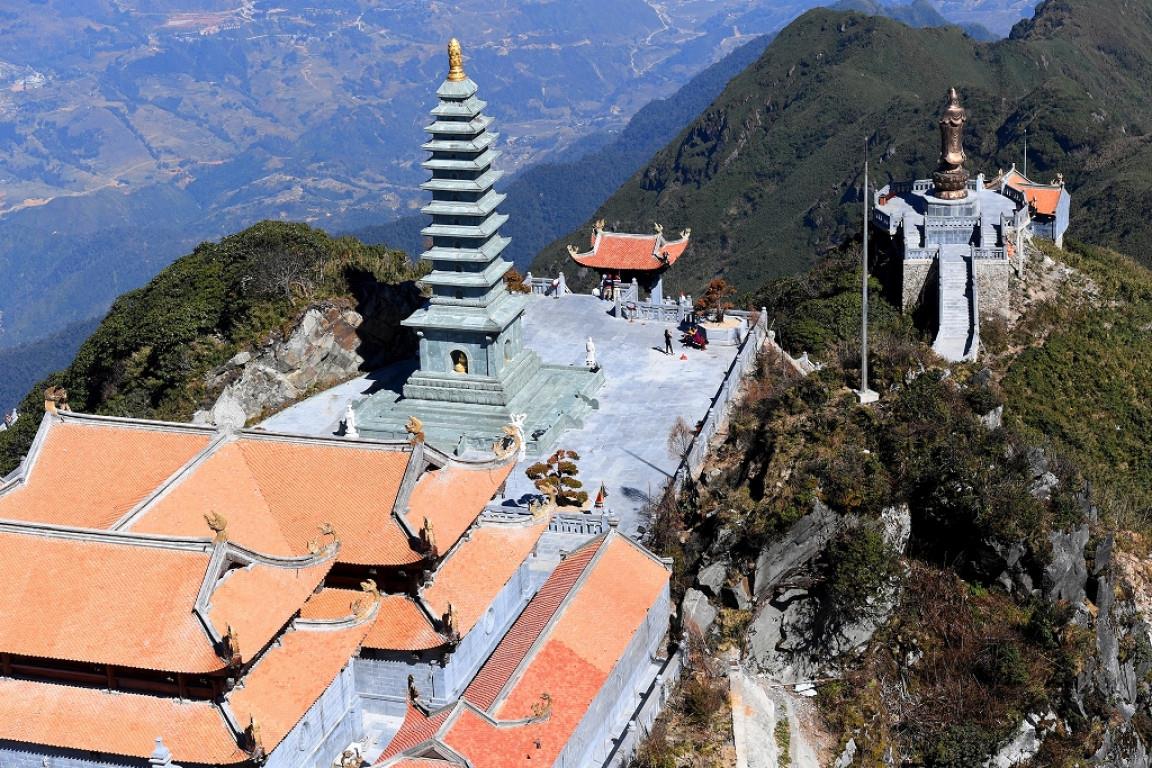
Bich Van Thien Tu
Conclusion
Sapa Fansipan remains the crown jewel of Vietnam’s tourism. By planning around the Sapa Fansipan weather and choosing the right way to travel from Sapa to Fansipan, you can ensure a trip that is both comfortable and awe-inspiring. From the lush valleys of Fansipan Sapa Vietnam to the jagged peaks of the Sapa Fansipan mountain, every moment is a testament to the beauty of our world.
Would you like me to generate a specific packing list or a photography guide for your upcoming trip to the summit?
————–
SJourney
Hotline (Phone/whatsapp): +84-975-119-466
Email: inquiry@vietnamluxuryexpress.com
Head office: No. 15/52 Giang Van Minh, Ba Dinh, Hanoi
The Travel Story Team is the editorial group behind Vietnam Luxury Express — passionate storytellers and travel enthusiasts dedicated to sharing the art of luxury train journeys across Vietnam.